Sorry, your browser is not supported. For a better experience, keep your browser up to date. Check here for latest versions
A Small Garden Shed can bring order to a crowded patio, protect tools from rain, and free up valuable growing space. But the best choice is not always the largest or cheapest model. A narrow wooden shed may suit hand tools and seed trays, while a metal design could work better for low-maintenance storage. Your garden’s size, access, surface, and exposure to wind all matter.
RHS horticulturist Guy Barter’s guidance, paraphrased rather than quoted, is practical: match storage to the tools you own and the conditions in your garden. Measure the footprint, then check the door swing and the route for carrying bulky items inside. Think about damp soil, roof runoff, ventilation, and whether the base is level. Small details count. A shed that looks spacious in a product photo may feel cramped beside a fence.
This 2026 guide compares popular shed types, materials, useful features, and price considerations to help you choose with clearer expectations. There is no universal winner. Timber can feel warm and adaptable, but it needs upkeep; resin may simplify cleaning, yet its appearance or rigidity may not suit every garden. Some trade-offs are easy to miss. The right Small Garden Shed should fit your real routines, not an imagined perfect plot. Measure twice. Then compare warranties, assembly requirements, and delivery access before buying.
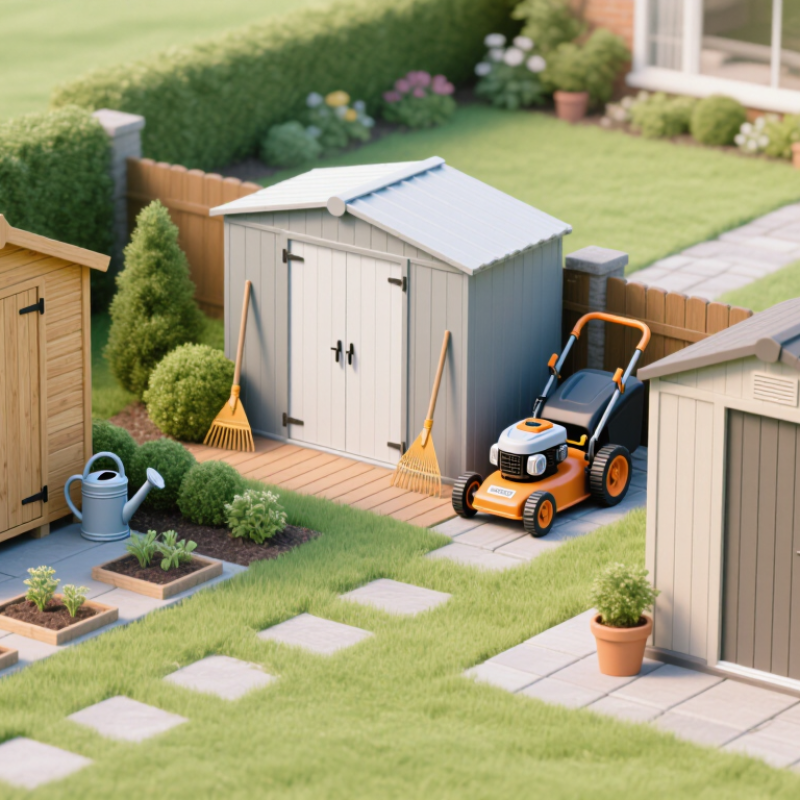
Best Small Garden Shed to Buy in 2026
What Defines a Small Garden Shed in 2026?
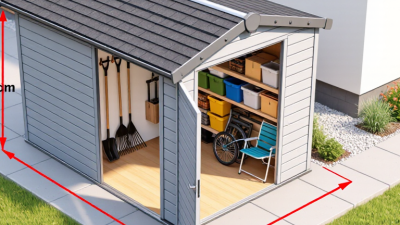
A small garden shed is defined less by one standard size than by how well it fits a garden and its intended use. For many homes, a footprint of roughly 4 by 6 feet to 8 by 10 feet provides useful storage without dominating the yard. Small is relative. Check the shed’s external dimensions, including roof overhangs, and compare them with the clear space available.
Think about what must fit inside. A compact shed might hold a mower, a few hand tools, and a stack of pots, but bulky equipment can quickly crowd the floor. Door width, wall height, and shelving matter as much as floor area. A narrow entrance can make a well-sized shed frustrating to use. Measure your largest item before choosing, and leave room to move safely inside.
Tips: Mark the proposed footprint with string, then walk around it and open nearby gates or doors. Measure twice. Check how the roof sheds rain, whether the floor suits your ground, and if ventilation can limit dampness. A smaller shed may look tidy on paper but feel cramped in daily use; that trade-off deserves an honest second look.
Choosing a small garden shed starts with what you need to store, not the largest footprint your garden can hold. List bulky items such as a mower, folding chairs, and long-handled tools. Measure the widest item and check whether it can pass through the shed door. Then allow room to move around it. A shed that fits everything on paper can still feel cramped in use.
Measure the available garden space, including the route to the shed and the door’s swing. Leave practical access for maintenance, and check the ground is level and drains well. For a narrow plot, a taller shed may use space efficiently, but only if you can safely reach upper shelves. It is easy to over-plan storage. A little empty floor space often proves more useful than one extra shelf.
Tips: Mark the proposed shed footprint with string or chalk. Place your largest items inside that outline and test the walking space. Check local planning guidance before buying, since requirements can vary. If your needs may grow, choose a modest size buffer—not a shed that overwhelms the garden.
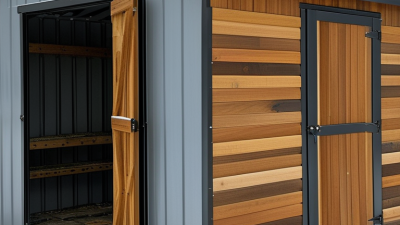
A small shed’s material matters most where rain, sun, and damp soil meet. The USDA Forest Products Laboratory’s Wood Handbook (FPL-GTR-282, 2021) notes that decay fungi generally need wood moisture above about 20%. That makes raised floor framing, sealed end grain, and clear drainage practical priorities for timber sheds. Wood is easy to repair and customize, but neglected paint can leave corners swollen and soft. A useful detail: keep the base off wet ground.
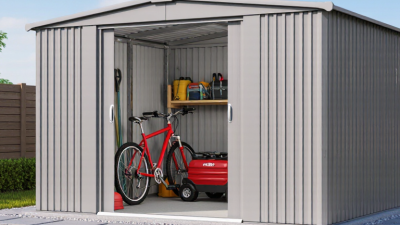
Metal sheds avoid rot, yet thin panels may dent, and damaged coatings can expose steel to rust. Roof condensation is another weakness, especially when stored tools touch damp surfaces. Resin sheds resist rust and need little painting, but check panel thickness, UV protection, and anchoring; light units can shift in strong gusts. NOAA’s 1991–2020 U.S. Climate Normals provide local precipitation and temperature baselines, useful when choosing roof pitch and ventilation. Not just looks. A steep roof sheds rain and snow more readily, while cross-ventilation helps limit trapped humidity. One compromise: resin is low-maintenance, but repairs may be less straightforward than replacing a timber board. Compare the actual floor, fasteners, and stated wind rating—not just the wall material.
| Shed type | Typical small size | Weather resistance | Maintenance | Main advantages | Watch-outs | Best suited to |
|---|---|---|---|---|---|---|
| Resin / plastic | About 6 × 4 ft (1.8 × 1.2 m) | Panels do not rust or rot. A well-fitted roof and door help keep out rain, but wind performance depends on anchoring and construction. | Low; wash periodically and check seals, fixings, and anchors. | Lightweight, quick to clean, and generally resistant to moisture and insects. | Can flex in strong winds if poorly secured; prolonged sun exposure may cause fading or brittleness in some plastics. | Low-maintenance storage for tools and garden supplies. |
| Galvanized steel | About 6 × 4 ft (1.8 × 1.2 m) | Coated steel resists corrosion, but scratches, cut edges, and standing water can increase rust risk. Roof and door joints need careful fitting. | Low to moderate; inspect the coating, fasteners, and joints, and repair damaged areas promptly. | Non-combustible panels, compact footprint, and no timber to rot. | May be noisy in rain; thin panels can dent, and condensation can form inside without ventilation. | Budget-conscious storage where a simple, non-wood structure is preferred. |
| Pressure-treated timber | About 6 × 4 ft (1.8 × 1.2 m) | Treatment helps protect wood against decay, but a sound roof, raised base, and good drainage are still important for long-term moisture resistance. | Moderate; keep the base dry, check the roof and joints, and renew protective finishes as needed. | Can be painted or adapted; solid framing is often straightforward to repair or modify. | Requires more upkeep than resin or coated metal; untreated cuts and persistently damp contact points can be vulnerable. | Buyers who want a traditional appearance and options for customization. |
| Cedar timber | About 6 × 4 ft (1.8 × 1.2 m) | Cedar is naturally more decay-resistant than many common untreated woods, but it is not waterproof; design, roof covering, and drainage remain important. | Moderate; inspect regularly and apply a suitable finish if preserving the original color is desired. | Natural wood appearance and good potential for repair; often chosen for garden aesthetics. | Typically costs more than basic panel materials; uncoated cedar weathers and changes color outdoors. | Gardens where appearance and natural materials matter. |
Comparison note: Sizes and performance are typical of small shed configurations, not guarantees for every model. Actual wind, snow, and rain performance depends on the specific shed, its installation, anchoring, base, roof design, and local conditions. Check the manufacturer’s load ratings and local building requirements before purchase.
A small garden shed should fit the tools you own, not just the space available. Measure the mower, long-handled spade, and widest storage box before choosing a door width. Check the shed’s outside dimensions, too; roof overhangs can make a tight corner tighter. Leave room to walk around it. Small details matter.
Look for a firm floor, a roof that sheds rain, and walls suited to your local weather. In damp conditions, ventilation helps limit condensation, especially after storing wet tools. A raised base can keep the floor clear of puddles, but it needs stable, level support. Check how the door closes and whether its hinges feel sturdy. A lock is useful, though it cannot make a lightweight shed highly secure.
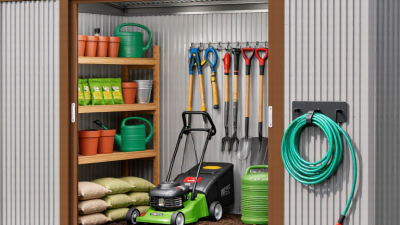
Think about daily use, not just appearance. Shelves keep small pots and gloves visible, while hooks can lift hoses off the floor. A window brings in daylight, but may reduce wall space and privacy. It is easy to add too many features on paper. In a compact shed, clear access often matters more than extra storage; a crowded doorway gets frustrating fast. Before buying, sketch the layout with the largest items marked. The sketch may be rough, but it can reveal a poor fit.
A small garden shed’s price is more than its sticker cost. Recent U.S. contractor cost guides put many installed sheds in the $1,500–$4,000 range, but difficult access, ground leveling, and a concrete base can raise the bill. Ask for separate prices for delivery, assembly, anchoring, and site preparation. That makes quotes easier to compare. These figures are only a starting point; local labor rates and soil conditions can change them substantially. I would not choose the cheapest quote without checking what it leaves out.
Installation quality affects maintenance. The USDA Forest Products Laboratory’s Wood Handbook notes that wood decay fungi generally need moisture levels above about 20 percent. Keep the shed’s base clear of standing water, leave space for airflow, and inspect roof edges and door frames after heavy rain. Recoat exposed timber when its finish begins to crack or peel. Check fasteners, too. Small leaks are easy to miss. Metal sheds still need attention: inspect cut edges and scratches for rust, especially after winter. One practical compromise is a simple, accessible foundation rather than an elaborate one. I might regret that choice on sloped ground, so measure the site carefully before ordering.