2026 Top Storage Shed Types for Global Buyers?

Choosing the right Storage Shed in 2026 requires more than comparing sizes and prices. Global buyers face different climates, building practices, delivery routes, and storage needs. A compact resin shed may suit a wet coastal garden, while a galvanized steel model can better serve commercial equipment storage. Timber remains attractive, but it needs regular sealing, especially in humid regions.

This guide examines the leading Storage Shed types for international buyers. It considers resin, metal, wood, hybrid, modular, and portable designs. Each option has practical strengths and limitations. Key details include roof design, wall thickness, ventilation, floor loading, corrosion resistance, assembly time, and replacement-part access. A shed that looks excellent online may perform poorly under heavy snow or strong sunlight. That risk deserves attention.

Reliable purchasing also depends on supplier experience and clear technical information. Buyers should request material specifications, installation drawings, warranty terms, packaging details, and realistic delivery estimates. Local planning requirements and site conditions should be checked before ordering. Product certifications can support confidence, but they should match the destination market and intended use. Small details matter.

A useful comparison cannot promise one universal winner. The best choice depends on climate, budget, property layout, and maintenance expectations. Some recommendations may change as products improve or shipping conditions shift. That is worth admitting. By comparing each type against real-world needs, this overview helps buyers make a more informed and durable decision.
2026 Top Storage Shed Types for Global Buyers?

What Are the Main Storage Shed Types in 2026?

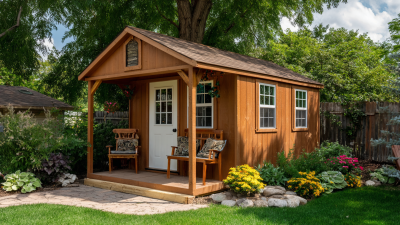
In 2026, storage sheds mainly fall into four types: wooden, metal, resin, and modular units. Wooden sheds offer a warm appearance and easy customization. They suit gardens, workshops, and properties where visual harmony matters. However, timber needs regular sealing, especially in humid or rainy climates. Poor ventilation can also cause hidden moisture damage.

Metal sheds provide strong security and resist insects, fire, and harsh handling. Galvanized steel performs well in many outdoor conditions, but coastal buyers should check corrosion protection carefully.

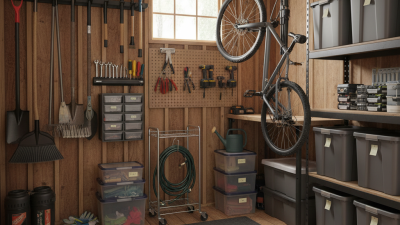
Resin sheds are lightweight, low-maintenance, and simple to clean. They work well for tools, bicycles, and seasonal equipment. Their weaker insulation may limit comfort in very hot or cold regions. Material quality varies. Check the wall thickness.

Modular sheds are becoming practical for global buyers with changing space needs. Panels can support faster installation, relocation, or later expansion. Lean-to sheds fit narrow side passages, while vertical sheds use height efficiently in compact yards. Larger gable-roof models provide better headroom and airflow for bulky equipment.

Buyers should compare floor strength, roof drainage, door width, wind resistance, and local weather exposure. Measure twice. A beautiful shed can still fail if delivery access, ground preparation, or drainage is ignored.

No type is perfect. Even experienced buyers sometimes prioritize appearance and overlook daily access. Clear assembly instructions, replaceable parts, and dependable after-sales support often matter as much as the material.

How Do Storage Shed Materials Affect Performance and Cost?

2026 Top Storage Shed Types for Global Buyers?

Storage shed materials strongly influence durability, maintenance, and total ownership cost. In practical site assessments, galvanized steel often performs well in humid regions. It resists insects and does not absorb water. However, exposed cut edges can rust without proper protection. Steel also transfers heat quickly, making summer interiors uncomfortable.

Wood offers a warmer appearance and easier customization. It can support shelves, hooks, and small windows without complex reinforcement. Yet, wood needs regular sealing, especially near coastal air or heavy rainfall. Missed maintenance becomes expensive. Resin-based panels resist rot and require less painting, but extreme sunlight may cause fading or brittleness over time. Cold climates can expose another weakness: some plastics become less impact-resistant.

Material cost alone can mislead global buyers. A low-priced shed may need stronger flooring, drainage, or extra anchors. Those additions change the final budget. Shipping weight matters too. Steel panels are often compact, while thick wooden sections can raise freight costs. Composite materials may balance appearance and weather resistance, but repair options are sometimes limited.

Climate comes first.

My own assessment would include roof load, ventilation, soil moisture, and local assembly skills. A coastal buyer may value corrosion protection more than decorative detail. A dry inland buyer may prioritize ultraviolet resistance and insulation. No material wins everywhere. Even careful recommendations need review after installation, because real weather is less predictable than product specifications.

2026 Top Storage Shed Types for Global Buyers: How Materials Affect Performance and Cost

Galvanized steel sheds generally provide the longest service life with moderate installation costs, while resin sheds offer low maintenance and corrosion resistance. Wood sheds can provide strong insulation and design flexibility, but they typically require more regular maintenance. Costs are indicative global benchmarks in 2025 USD per square meter, excluding foundations, delivery, and site preparation.

Which Shed Designs Suit Different Global Buyer Needs?

Global buyers need storage sheds that match their climate, property size, and daily routines. A compact lean-to shed suits narrow urban yards and can share a wall with a house. It stores bicycles, tools, and bins without wasting much space. However, poor wall drainage may cause moisture problems. That detail is easy to overlook.

A gable shed offers more headroom and better air movement under its pitched roof. It works well for garden equipment, workshops, and regions with frequent rain or snow.

Buyers in hot climates should consider roof ventilation, shaded windows, and reflective exterior finishes. A flat-roof shed looks modern and fits dry areas, but heavy rainfall demands careful drainage design. It may need more maintenance than expected.

For farms or large properties, a barn-style shed provides useful vertical storage and wide access doors. Reinforced framing can support heavier tools, but local transport and installation costs may rise. Coastal buyers should prioritize corrosion-resistant fasteners and elevated flooring. In humid regions, treated timber or durable metal panels can reduce decay, yet neither option removes the need for inspection. Buyers with limited assembly experience may prefer pre-cut components and clear instructions. Still, “easy assembly” is not always easy on uneven ground. Check local permits, wind ratings, fire safety rules, and foundation requirements before ordering. A shed should fit real weather, not only product photographs.

What Features Improve Storage Shed Security, Access, and Maintenance?

Secure storage sheds need more than a strong padlock. The FBI’s 2023 Crime Data Explorer recorded over six million property-crime offenses in the United States. Concealed hinges, reinforced door frames, tamper-resistant screws, and internal locking points can reduce obvious attack opportunities. A solid anchor system also matters. It prevents a lightweight shed from shifting or being lifted during storms. Motion-activated lighting helps users identify visitors at night. However, lighting alone is not security. Cameras and alarms may require reliable power, which many remote sites lack.

Access should remain practical for daily use. The WHO reports that about 1.3 billion people experience significant disability worldwide. A wide doorway, low threshold, firm ramp, and lever-style hardware support more users. A clear opening near 915 millimeters is a useful design target, but local accessibility rules still require checking. Ventilation, roof overhangs, and raised floors help control condensation. NACE’s IMPACT study estimated global corrosion costs at about 3.4% of worldwide economic output. Galvanized panels, sealed joints, stainless fasteners, and drainage gaps can reduce maintenance. Still, no finish lasts forever. Dust collects under floor edges, and small scratches eventually become rust points. An annual inspection should check hinges, anchors, roof seals, and water flow, even when the shed looks fine.

2026 Top Storage Shed Types for Global Buyers? - What Features Improve Storage Shed Security, Access, and Maintenance?
Storage Shed Type Typical Construction Security Performance Access Performance Maintenance Performance Features That Improve Security Features That Improve Access Maintenance Considerations Best-Suited Applications
Galvanized Steel Shed Cold-formed or roll-formed galvanized steel panels supported by a steel frame. High
Rigid panels and strong doors provide good resistance to forced entry when properly anchored.
Medium
Standard single or double doors are practical, but thresholds may restrict wheeled equipment.
High
Does not require painting as frequently as untreated timber; corrosion control remains important.
Three-point locking hardware, protected padlock hasp, tamper-resistant screws, reinforced door frame, and ground anchoring. Double doors, low threshold, wide opening, ramp, interior lighting, and clear door swing area. Inspect cut edges, fasteners, roof joints, and base anchors for corrosion or loosening. Clean salt deposits in coastal areas. Garden equipment, tools, bicycles, maintenance supplies, and medium-value equipment.
Resin or Plastic Shed UV-stabilized polypropylene, polyethylene, or PVC panels with a molded or metal-reinforced frame. Medium
Panels resist weather well, but basic models may be vulnerable around hinges and door hardware.
High
Many designs offer wide double doors, low thresholds, and simple assembly.
High
Won’t rust and usually needs only washing and periodic hardware checks.
Metal-reinforced doors, internal steel bars, lockable handles, concealed hinges, and anchoring to a concrete or framed base. Wide double doors, ramp-compatible threshold, modular shelving, and transparent roof panels or LED lighting. Wash dirt and algae periodically. Check UV exposure, panel movement, seals, hinges, and anchor points. Low-maintenance household storage, garden tools, seasonal goods, and environments with high humidity.
Timber Shed Wooden stud frame with timber cladding, plywood, or oriented strand board panels. Medium
Solid construction can be secure, but wood doors and panels require reinforced hardware for higher protection.
High
Easy to customize with double doors, ramps, windows, shelving, and workbenches.
Low
Regular treatment is needed to manage moisture, rot, insects, and coating deterioration.
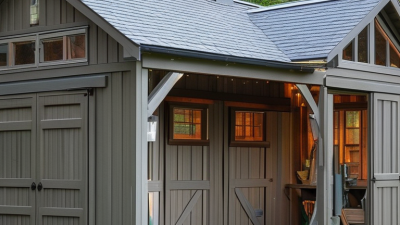
Solid-core or braced door, internal hinges, deadbolt or hasp, security-rated window protection, and anchored framing. Custom door width, ramp, adjustable shelving, workbench layout, and natural ventilation. Keep timber clear of standing water, maintain roof felt or membranes, repaint or retreat exposed wood, and check for rot. Workshops, hobby rooms, garden storage, and buyers who value customization or natural appearance.
Composite Panel Shed Engineered panels combining polymer, wood fiber, cementitious material, or other weather-resistant layers. Medium
Performance depends strongly on panel density, door reinforcement, and the quality of the locking system.
High
Usually supports configurable doors, shelving, ramps, and interior organization.
Medium
Generally less demanding than untreated timber, but joints and coatings still need inspection.
Reinforced door leaves, multi-point locking, anti-lift hinges, security glazing, and a fixed foundation. Modular door placement, low threshold, wide access, adjustable storage systems, and integrated ventilation. Inspect seams, surface coatings, drainage paths, seals, and hardware. Follow the material supplier’s cleaning guidance. Premium residential storage, mixed-use storage, and projects requiring a balance of appearance and durability.
Masonry or Concrete Block Shed Concrete blocks, bricks, or reinforced concrete walls with a permanent roof and metal or timber door. High
Heavy walls provide strong resistance to impact and unauthorized access when doors and windows are properly protected.
Medium
Permanent construction allows large openings, but layout changes and future relocation are difficult.
Medium
Walls are durable, while roofs, drainage, doors, and moisture control require regular attention.
Steel security door, deadbolt, protected vents, laminated glazing or shutters, perimeter lighting, and an alarm contact. Wide engineered doorway, ramp, level floor, adequate ventilation, and electrical lighting installed by a qualified professional. Monitor cracks, damp penetration, roof leaks, drainage, door alignment, and condensation. High-value equipment, permanent installations, severe-weather areas, and locations requiring robust physical security.
Shipping-Container-Based Store Repurposed corrugated steel container with modified doors, vents, insulation, or internal fit-out. High
Heavy steel structure offers strong baseline security, but original container locks should be supplemented.
Low
Standard end doors may be narrow for some equipment, and internal access can be limited without modifications.
Medium
Steel is durable, but condensation, roof condition, door seals, and corrosion require monitoring.
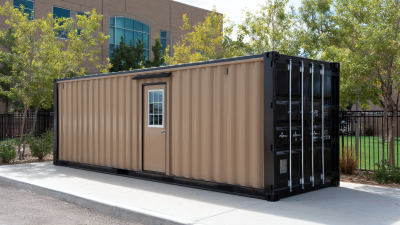
External lockbox, internal locking bar, concealed padlock, anti-tamper hinges, perimeter lighting, and ground anchoring. Container ramp, additional side doors, internal lighting, ventilation, shelving, and a dry, level approach. Control condensation with ventilation or insulation, inspect door seals, remove rust, and maintain drainage around the base. Tools, machinery, construction materials, agricultural supplies, and temporary or relocatable storage.
Fabric or Tension-Cover Shelter UV-resistant PVC or polyethylene cover stretched over a steel or aluminum frame. Low
Suitable mainly for low-risk goods; the cover and openable ends provide limited resistance to forced entry.
High
Large clear spans and roll-up or removable ends support convenient vehicle and equipment access.
Medium
Frame upkeep is straightforward, but covers are exposed to UV, wind, abrasion, and puncture damage.
Lockable end panels, perimeter fencing, anchored frame, motion lighting, camera coverage, and secured internal cages. Full-width openings, roll-up doors, ground-level access, and unobstructed internal floor space. Inspect tension, anchor points, seams, cover damage, snow or wind loading, and frame corrosion after severe weather. Vehicles, boats, agricultural materials, bulk goods, and short- to medium-term storage with controlled site security.
Buyer guidance: Actual performance depends on material thickness, foundation quality, door hardware, local climate, installation accuracy, and site security. For international purchasing, verify wind and snow-load ratings, corrosion protection, drainage requirements, fire performance, replacement-part availability, and local building regulations before selection.

How Can Buyers Compare Suppliers, Regulations, and Total Costs?

2026 Top Storage Shed Types for Global Buyers?

Buyers should compare steel, timber, resin, and modular sheds against local conditions, not photographs. Steel units suit wet climates and frequent use, but corrosion protection requires careful inspection. Timber sheds can blend into residential settings, although moisture control and repainting increase ownership work. Resin models install quickly, yet their strength may vary under snow or strong wind.

Supplier comparison should begin with evidence. Request material thickness, coating data, load calculations, factory inspection records, and installation instructions. The 2024 International Building Code and local building authorities may require anchoring, setbacks, fire separation, or permits. Requirements differ sharply between a coastal city and an inland farming area. Do not assume one certificate works everywhere.

Total cost needs more than the factory price. Add tooling, export packing, inland delivery, ocean freight, insurance, customs duty, VAT, foundation work, assembly, and future repairs. World Steel Association reported 1.89 billion tonnes of crude steel production in 2023, showing why steel pricing can move with energy and raw-material markets. The International Energy Agency also links steel production to about 8% of global energy-related emissions, making recycled content and coating life relevant purchasing factors. A market report from Grand View Research projects continued growth in prefabricated construction, but its broad category includes many products beyond sheds. That limitation matters. A cheaper quote may simply exclude the difficult parts.