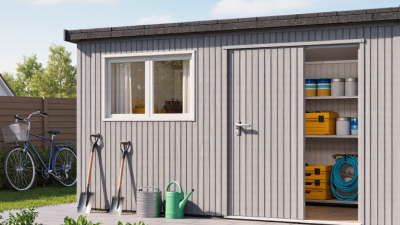
How to Choose the Best Storage Shed for Your Needs?

Choosing the right Storage Shed starts with more than available backyard space. It requires a clear view of what you store, how often you access it, and how your needs may change. A mower needs a wide door and a firm ramp. Garden tools need wall hooks, dry shelves, and enough headroom for comfortable movement. Seasonal furniture needs floor space, ventilation, and protection from moisture.

Industry data supports careful planning. The Joint Center for Housing Studies of Harvard University tracks long-term remodeling activity through its Leading Indicator of Remodeling Activity. Its reports show that homeowners continue investing in existing properties, even as market conditions shift. The Freedonia Group’s research on outdoor living products also highlights ongoing demand for products that improve residential space and functionality. These trends suggest that a shed is not merely a box for storage. It can become a practical extension of the home.

That sounds simple, but it is not.

Material quality, roof design, drainage, security, and local weather all affect performance. A low-cost model may appear attractive, yet thin panels or weak hinges can create problems within one wet season. I have seen buyers focus on floor size and overlook door clearance. That mistake is easy to make. Reliable selection means comparing usable dimensions, construction details, warranty terms, installation requirements, and maintenance needs. This guide explains how to evaluate each factor, while admitting one uncomfortable truth: the “best” Storage Shed is rarely the biggest or cheapest model. It is the one that fits your property, habits, climate, and realistic budget.
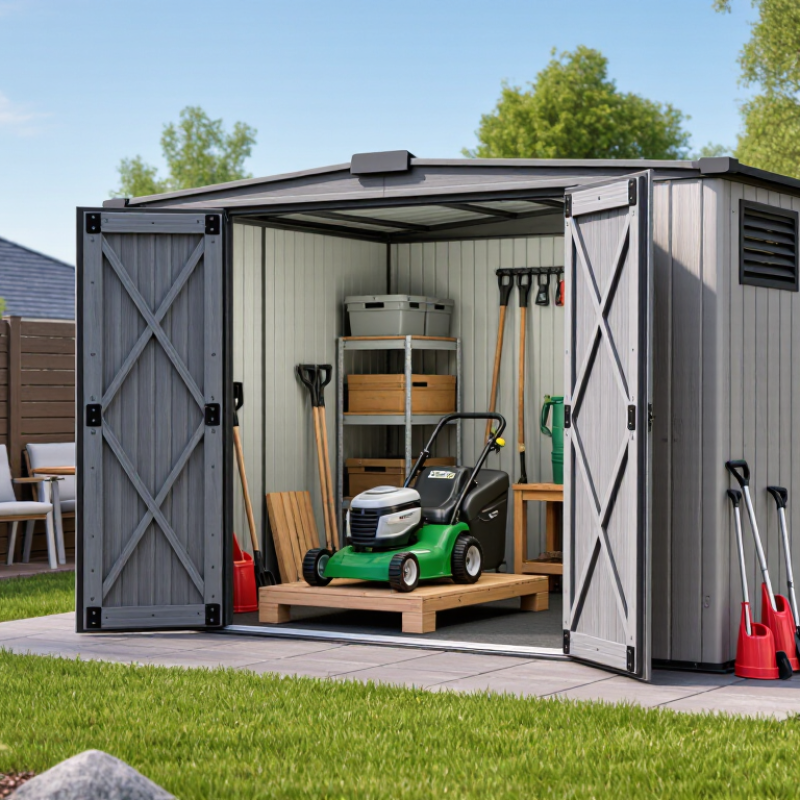
How to Choose the Best Storage Shed for Your Needs?

Define Your Storage Goals and Available Space

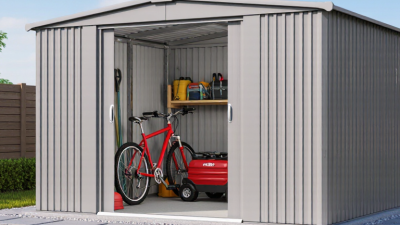
Before choosing a storage shed, define what must stay inside. Garden tools need shallow shelves and floor space. Bicycles need a wide door and turning room. Seasonal furniture needs height, ventilation, and clear stacking zones. The 2024 Self Storage Association Demand Study reported 16.1 million U.S. households using self-storage in 2023. That demand suggests storage pressure is real, but a shed should solve your specific problem, not copy a larger facility.

Measure the site twice. Record length, width, overhead clearance, door swing, and the walking path from your home. Leave room to open the shed door fully. Check drainage after heavy rain, not only on a dry afternoon. The U.S. Census Bureau’s 2023 Characteristics of New Housing report placed the median lot size for new homes below 9,000 square feet. Compact lots require disciplined planning. I once underestimated access space. The shed fit, but moving a lawn mower inside became awkward. That mistake was avoidable.

Tips: Sketch every item at full size before shopping. Group daily tools near the entrance. Keep heavy boxes low. Allow extra clearance for future purchases. Review local placement rules and ground conditions. A slightly smaller shed may work better when its layout is honest. Fancy capacity can still become wasted space.

How to Choose the Best Storage Shed for Your Needs? — Define Your Storage Goals and Available Space

Storage Goal Typical Items Suggested Shed Size Approximate Floor Area Recommended Features Space-Planning Considerations
Basic household overflow Seasonal decorations, bins, folding chairs, small hand tools 6 ft × 8 ft 48 sq ft Shelving, wide single door, ventilation Allow clear access to stored containers; avoid filling the center with bulky items.
Gardening and lawn care Lawn mower, wheelbarrow, hoses, pots, fertilizer, long-handled tools 8 ft × 10 ft 80 sq ft Double doors, tool hooks, ramp, floor protection Keep a direct path from the door to equipment that is frequently moved in and out.
Bicycles and outdoor recreation Bicycles, helmets, camping equipment, sports gear, folding tables 8 ft × 12 ft 96 sq ft Double doors, wall racks, overhead storage Measure equipment height and handlebar width; include turning space near the entrance.
Workshop and DIY projects Workbench, power tools, lumber, hardware, protective equipment 10 ft × 12 ft 120 sq ft Windows, electrical planning, workbench, ventilation Reserve space for safe movement around the workbench and check local electrical requirements.
Large equipment storage Ride-on mower, snow blower, garden cart, ladders, large containers 12 ft × 16 ft 192 sq ft Extra-wide doors, ramp, reinforced floor, high roof Confirm the equipment’s turning radius, door clearance, floor loading, and storage height.
Mixed-use family storage Garden tools, bicycles, seasonal items, sports gear, household bins 10 ft × 16 ft 160 sq ft Double doors, shelving zones, hooks, skylight or windows Divide the interior into zones so frequently used items remain accessible.
Measure the site first:
Record the usable length and width, then account for doors, fences, trees, drainage, and required access around the shed.
Plan for future needs:
Choose additional capacity if you expect to add equipment or want clear walkways instead of tightly packed storage.
Check local requirements:
Verify property setbacks, permits, foundation conditions, height limits, and utility locations before installation.

Compare Shed Materials, Durability, and Maintenance Needs

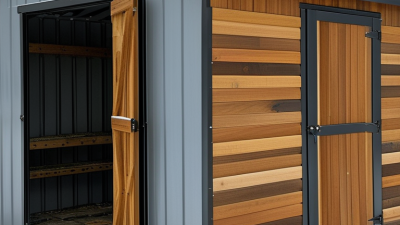
Choosing a storage shed starts with material performance, not appearance. Wood offers easy customization, but moisture control is critical. The USDA Forest Products Laboratory’s Wood Handbook explains that decay risk rises when wood moisture stays above roughly 20%. Place wooden walls on a raised, drained base. Keep roof edges clear of leaves. A yearly inspection can reveal soft corners before they become structural problems.

Metal sheds usually need less painting and resist insects. However, scratched coatings can expose steel to rust, especially near salt air or wet soil. The NACE IMPACT study estimated global corrosion costs at about $2.5 trillion annually, showing why surface protection matters. Galvanized panels, sealed fasteners, and intact edge coatings deserve close attention. Aluminum avoids ordinary steel rust, but it dents more easily and may flex under heavy snow.

Resin or plastic panels do not rot, and cleaning usually needs only water and mild soap. Yet heat can cause expansion, while thin panels may warp or crack under impact. The National Association of Home Builders’ Life Expectancy of Home Components report gives broad service-life estimates for exterior materials, but those figures are not shed guarantees. Shade, ventilation, snow load, and installation quality can change the result. I would not choose solely by advertised lifespan. A darker shed in full sun may age faster than a lighter one under a ventilated roof. Weak floors are easy to overlook. Check floor thickness, drainage, hinge quality, and replacement-part access before buying.

Choose the Right Shed Size, Layout, and Access Features

Choosing a shed begins with measuring what you own, not guessing from photographs. The 2024 Self-Storage Association Demand Study reported millions of U.S. households using storage space. That demand reflects a practical truth: possessions expand quickly. Leave at least 25 percent of floor space open for movement. A 6-by-8-foot shed suits garden tools and seasonal boxes. Larger equipment needs a deeper layout. Draw the footprint with tape first. It feels surprisingly revealing.

Layout should follow daily use. Place frequently used tools near the entrance, with shelving along the back or side walls. Keep a clear central path, ideally about 30 to 36 inches wide. Tall shelves can increase capacity, but they may make retrieval awkward. I once underestimated door swing space. That mistake reduced usable floor area. Think about future purchases, too. A mower may fit today, but its handle could block tomorrow’s storage.

Access features deserve equal attention. A wide double door helps move wheelbarrows, bicycles, and bulky containers without lifting them sideways. A low threshold reduces trips and protects wheels. The U.S. Access Board’s accessibility guidance commonly uses 32 inches as a minimum clear doorway reference, though wider access is often more practical for sheds. Add vents to limit heat and condensation. Consider a ramp when equipment has narrow wheels. Before ordering, check delivery access, ground slope, and local setback requirements. The best layout may still fail if the shed cannot be positioned safely.

Evaluate Weather Protection, Security, and Ventilation

How to Choose the Best Storage Shed for Your Needs?

A good storage shed should handle your local weather, not just look attractive. I have seen poorly sealed sheds develop damp corners after one rainy season. Check the roof overhang, wall joints, and floor height before choosing a model. A raised floor helps prevent splashback and ground moisture. In snowy areas, inspect the roof’s load rating and framing strength. Coastal locations need corrosion-resistant fasteners and careful sealing.

Security also deserves practical attention. Look for solid doors, strong hinges, and a lock point that resists forced movement. Windows can improve visibility, but they may also create weak spots. Choose reinforced glazing or place windows high on the wall. Anchor the shed to a stable base, especially where strong winds are common. A shed that can shift is not secure. It is a liability.

Ventilation prevents heat, condensation, and musty odors from damaging stored items. Install vents on opposite walls to encourage cross-flow, while keeping openings protected from driving rain. For tools, cardboard boxes, or seasonal fabrics, airflow matters greatly. Do not seal every gap in the name of security. I once over-sealed a small shed, and moisture remained trapped inside. That mistake changed how I assess ventilation. The best design balances dry construction, controlled airflow, and sensible access.

Review Installation Requirements, Budget, and Local Regulations

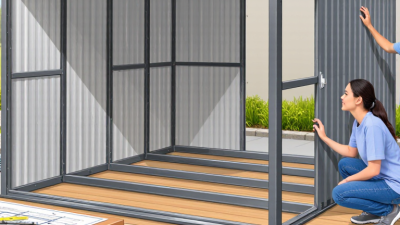
Choosing the best storage shed begins with the site, not the catalogue. Measure the available ground, access path, and overhead clearance before comparing sizes. A shed may fit the yard but fail at the gate. Check whether delivery equipment can reach the installation area without damaging paving, fences, or garden beds. The base should be level, stable, and well drained. Gravel, concrete, or treated timber may suit different conditions, but local soil and weather matter.

Tips: Ask the installer for a written site checklist. Include ground preparation, delivery, anchoring, doors, ventilation, and future maintenance in the budget. Leave room. A cheap shed can become expensive after drainage repairs or unexpected foundation work. I once underestimated door clearance and had to adjust the layout later. That mistake was avoidable, but it showed why practical planning matters.

Before buying, contact your local planning office and review current setback, height, size, drainage, and property-line requirements. Some areas require approval, while others regulate accessory structures through zoning or community rules. Confirm underground utility locations before digging, and keep records of permits, measurements, and contractor agreements. Requirements can differ between neighboring districts, so online advice alone may be incomplete. If the rules seem unclear, ask the relevant authority directly. A professional installer can identify structural concerns, but they should not replace official guidance. Your budget should also include taxes, permits, site preparation, anchoring, and possible electrical work. Recheck every figure.