Sorry, your browser is not supported. For a better experience, keep your browser up to date. Check here for latest versions
Choosing an Easy Shed for global sourcing requires more than comparing product photos and factory prices. Buyers must examine materials, construction, packaging, assembly steps, and supplier reliability. A shed may look simple online, yet its steel panels can dent during ocean transport. Its floor may also need stronger support than expected.
Start with the user’s real environment. Consider rainfall, wind exposure, humidity, temperature changes, and available installation space. Galvanized steel can resist corrosion, while treated wood offers a warmer appearance. Each option has trade-offs. Do not trust vague descriptions.
Ask suppliers for detailed drawings, material thickness, load information, packing dimensions, and assembly instructions. Request samples when possible. A sample can reveal sharp edges, weak fasteners, poor coating, or confusing labels. It also shows how much practical experience the supplier has.
Supplier verification matters. Review factory records, quality procedures, export experience, and independent inspection options. Confirm whether the product meets the destination market’s applicable building, safety, and packaging requirements. Standards differ across countries. A responsible sourcing plan checks them before production, not after shipment.
Freight costs can change the decision. Flat-packed designs often reduce container space, but complicated parts may increase installation time. Buyers should compare total landed cost, not only the unit price. Small details matter.
An Easy Shed should be easy in practice, not merely in marketing. Test the assembly process with basic tools and realistic labor conditions. Some assumptions may prove wrong. That is useful. Careful reflection helps buyers improve specifications, reduce avoidable returns, and build a more dependable global sourcing strategy.
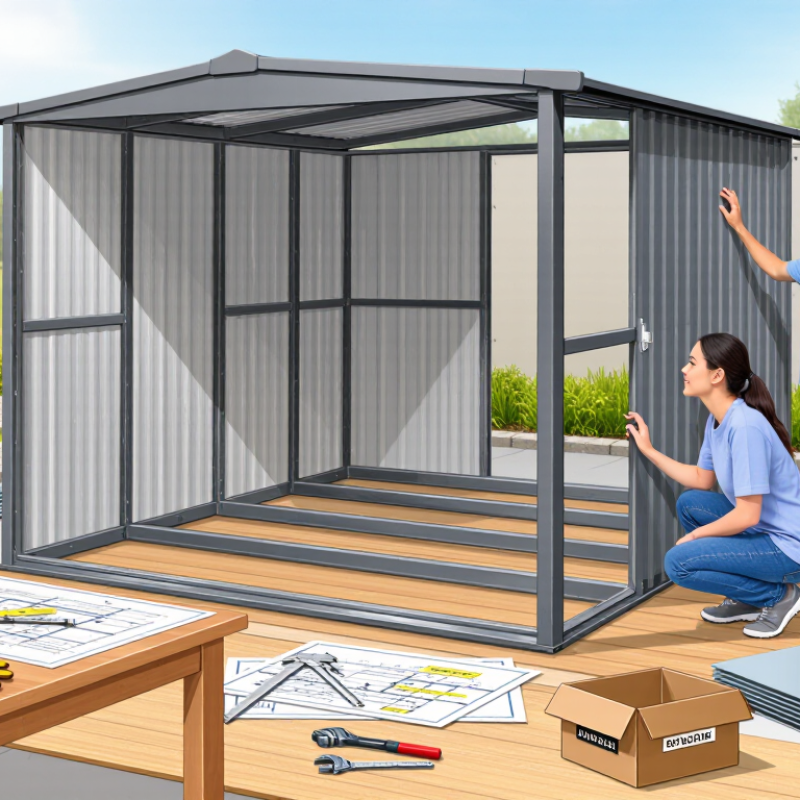
An easy shed begins with a clear job, not an attractive picture. Will it store garden tools, protect bicycles, house equipment, or support temporary work? Each purpose changes the floor load, ventilation, door width, and security level. Write these needs before requesting supplier quotations. Vague requests create expensive revisions.
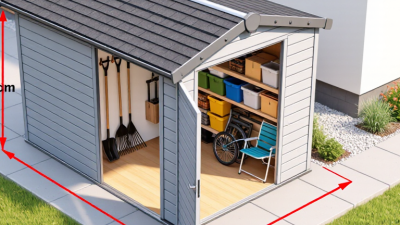
Measure the items and leave working space around them. A shed for bicycles needs more than their combined width, especially near the doorway. Shelves may require extra wall height and stronger panels. Confirm both internal and external dimensions, using millimetres or metres for clear global communication. Also request packed dimensions and total weight. These details affect shipping, unloading, and storage costs. A common mistake is choosing a compact model that cannot accommodate future purchases. That assumption can be costly.
The site deserves equal attention. Check ground level, drainage, wind exposure, seasonal rain, and access for delivery equipment. Soft soil may require a prepared base, while poor drainage can shorten the life of stored goods. Measure gates, paths, turning spaces, and overhead obstacles before ordering. Local rules may also control placement, height, or foundation requirements, so verify them with a qualified local professional. In practice, a simple sketch with measurements prevents more problems than a long product description. I would still review the plan twice, because small errors often appear where the drawing meets the real site.
How to Choose an Easy Shed for Global Sourcing?
Choosing an easy shed starts with its material, not its advertised price. Galvanized steel handles rain and insects well, but coastal air can expose weak coating areas. Treated timber feels warmer and allows simple repairs. However, moisture can cause swelling if ventilation is poor. Resin panels are lightweight and resist rot, though intense sunlight may make cheaper panels brittle. Ask for coating thickness, timber treatment records, UV testing, and clear material specifications.
The structure decides whether assembly remains simple. Look for standardized panels, numbered parts, pre-drilled holes, and symmetrical frames. A roof with a proper slope prevents standing water. Reinforced corners help the shed tolerate wind, while floor supports reduce movement on uneven ground. Thin framing may look efficient. It can also create problems during installation. I would check joint strength instead of trusting panel thickness alone. Small details matter.
Assembly methods should match local labor skills and available tools. Bolt-together designs are easier to inspect, repair, and ship in flat packages. Snap-fit systems reduce labor, but damaged clips may be difficult to replace. Welding can improve rigidity, yet it increases shipping weight and complicates field repairs. Include clear drawings, hardware labels, and realistic installation times. Test one sample with ordinary tools before placing a large order. It may reveal missing screws, confusing steps, or a frame that needs two extra hands. Local wind, snow, fire, and building requirements still need verification before production.
How to Choose an Easy Shed for Global Sourcing?
Supplier quality should be checked beyond a polished catalog. Request material certificates, welding records, coating specifications, and recent inspection photos. ISO’s 2023 Survey reported 1,265,216 valid ISO 9001 certificates worldwide. Certification helps, but it does not replace factory audits or sample testing. Measure panel thickness, door alignment, fastener fit, and water resistance from a physical prototype. Small defects become expensive during installation.
Customization needs practical boundaries. Confirm dimensions, roof pitch, ventilation, floor loading, packaging, and assembly instructions before signing drawings. Ask whether changes require new tooling or only revised cutting files. A supplier may promise unlimited options. That promise deserves testing. Use one standard model and one customized model during evaluation. Compare drawings, samples, carton labels, and final packing photos.
Production capacity must match seasonal demand, not just annual claims. Request monthly output, active production lines, worker shifts, and subcontracting details. The World Bank’s 2023 Logistics Performance Index assessed logistics systems across 139 economies, highlighting differences in shipment reliability and delivery speed. Therefore, review port access, export experience, container loading plans, and backup material sources. A factory producing 500 sheds monthly may still miss your schedule during peak season. Ask for a capacity plan linked to your forecast, inspection milestones, and acceptable lead-time variance. Loose promises are not capacity evidence.
| Evaluation Dimension | Common Industry Benchmark | Preferred Sourcing Target | Evidence to Request from the Supplier | Risk Level |
|---|---|---|---|---|
| Main Material | Pre-painted or galvanized steel panels commonly range from approximately 0.30 mm to 0.50 mm in thickness. | Use at least 0.40 mm steel for general outdoor applications, with material thickness clearly stated in the specification sheet. | Material certificate, thickness inspection report, coating description, and random shipment inspections. | High |
| Corrosion Protection | Outdoor steel products may use zinc coatings such as Z180 or Z275, depending on the intended environment. | Select a coating suitable for the destination climate; Z275 is a stronger reference point for humid or coastal applications. | Coating-weight test report, salt-spray test data where applicable, and confirmation of edge-treatment methods. | High |
| Structural Performance | Sheds should be evaluated for local wind, snow, rain, and seismic conditions rather than relying only on generic product claims. | Require structural calculations or test data based on the destination market’s design loads and installation method. | Load calculations, assembly drawings, anchoring instructions, and test reports from an independent laboratory when available. | High |
| Assembly Simplicity | A small residential shed may require several hours and two or more people for assembly, depending on size and foundation conditions. | Use pre-punched panels, labeled hardware, numbered parts, clear manuals, and a design that minimizes cutting or drilling on site. | Assembly video, installation manual, parts list, pilot assembly record, and feedback from independent installers. | Medium |
| Customization Capability | Common options include dimensions, doors, windows, colors, ventilation, shelving, packaging, and private-label documentation. | Confirm the supplier can modify at least the key dimensions, opening positions, color, packaging, and instruction materials. | Engineering-change process, approved drawings, color samples, prototype approval procedure, and customization cost schedule. | Medium |
| Quality Management | A documented quality system should cover incoming materials, in-process checks, final inspection, and corrective actions. | Prefer suppliers with a maintained quality-management system and written inspection criteria for every production stage. | Quality certificate validity, inspection checklist, nonconformance records, corrective-action reports, and pre-shipment inspection access. | High |
| Production Capacity | Capacity should be measured by completed shed sets per month, not only by factory floor area or installed machinery. | Request confirmed monthly output, current utilization, peak-season capacity, and a production plan for the required order volume. | Three-month production records, equipment list, staffing plan, capacity calculation, and references for comparable orders. | High |
| Lead Time Control | Production lead time varies with customization, order volume, raw-material availability, and peak-season demand. | Set separate targets for samples, first production orders, repeat orders, and peak-season replenishment. | Written production schedule, material-reservation plan, order milestone chart, and contractual delay provisions. | Medium |
| Packaging and Container Efficiency | Flat-packed construction can reduce shipping volume, but poor protection may cause panel scratches, bending, or missing hardware. | Use moisture-resistant packaging, corner protection, hardware kits, carton identification, and verified loading diagrams. | Packaging specification, drop-test or transit-test results, container-loading photos, carton dimensions, and packing list accuracy records. | Medium |
| After-Sales Support | International buyers may require replacement panels, hardware, manuals, and technical responses after delivery. | Choose a supplier with defined response times, spare-parts availability, installation support, and a documented warranty process. | Warranty terms, spare-parts list, response-time commitment, claim procedure, and sample replacement-part shipment record. | Medium |
| Compliance Documentation | Import and retail requirements differ by country and may include product safety, labeling, packaging, and chemical-control obligations. | Confirm all destination-market requirements before production and ensure product labels and manuals match the importing country. | Declaration documents, material compliance statements, labeling artwork, packaging marks, and destination-specific test reports. | High |
| Commercial Flexibility | Minimum order quantities, sample charges, tooling fees, payment terms, and price validity can strongly affect sourcing cost. | Compare total landed cost, not only unit price, and obtain written terms for tooling ownership, price adjustments, and repeat orders. | Formal quotation, cost breakdown, MOQ policy, tooling agreement, payment schedule, and freight-packing assumptions. | Medium |
An easy shed is not always easy to import. Start with the package, not the product photo. Ask for a complete carton list, including packed length, width, height, and gross weight. Check whether panels need corner guards or moisture barriers. A crushed carton can turn a simple installation into an expensive replacement claim.
Shipping details deserve close attention. Compare container loading plans, pallet sizes, and delivery terms before choosing a supplier. Flat-packed units may save space, but unusually long panels can create costly oversize charges. Calculate the landed cost carefully. Include ocean or rail freight, insurance, port fees, customs clearance, duties, and inland delivery. A low factory price can look very different after arrival. I have seen estimates fail because local handling fees were ignored.
Duties depend on the correct HS classification, material composition, customs value, and country of origin. Request accurate commercial invoices and packing lists. Do not ask for vague descriptions. Import regulations also vary by destination. Wood packaging may require approved treatment and marking. Metal coatings, plastics, fasteners, and installation hardware may face separate safety or chemical requirements. Confirm these points with the destination customs authority or a licensed broker. Regulations change, and supplier assumptions can be outdated. My own checklist would still need review before each shipment.
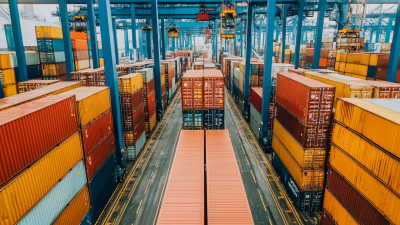
For flat-pack sheds, packaging efficiency directly affects shipping costs and container utilization. The chart compares the nominal internal volume of common dry freight containers. A 40-foot high-cube container provides the greatest usable volume, while payload limits remain close to those of standard containers. Final sourcing decisions should also verify packaging dimensions, gross weight, HS classification, applicable import duties, safety requirements, labeling rules, and destination-country customs regulations.
Reference basis: nominal container dimensions and capacities commonly specified under ISO 668; actual usable capacity varies by container condition, door clearance, packaging design, and carrier restrictions.
How to Choose an Easy Shed for Global Sourcing?
An easy shed should be judged by its total landed cost, not its catalog price. Include packaging, freight, import duties, local delivery, installation, and possible replacement parts. A low-priced unit can become expensive after a missing panel or difficult assembly adds labor. Request a complete cost sheet before approving the order. Check the sample with ordinary tools, not ideal workshop equipment.
Safety needs documented attention. Ask for material specifications, structural load data, corrosion testing, and fire-related information where applicable. Confirm that the design fits the destination market’s building and consumer safety requirements. Inspect roof joints, door hinges, sharp edges, ventilation, and anchoring points. Small details matter. A neat product photo cannot prove safe performance.
Warranty terms should state coverage periods, exclusions, evidence requirements, and response deadlines. Clarify who pays for replacement parts and international shipping. After-sales support should include clear manuals, assembly videos, spare-part availability, and a named contact. Test the support process before placing a large order. Send three practical questions and measure the reply time. Delayed answers may signal future trouble. It is also wise to request a pilot shipment and inspect ten units, though this costs more upfront. I would not ignore that cost. Relying only on written promises remains a weakness, especially when translations, local installers, and seasonal weather complicate claims.