Sorry, your browser is not supported. For a better experience, keep your browser up to date. Check here for latest versions
A Garden Storage Shed is more than a small box at the edge of a lawn. It can protect tools, organize outdoor equipment, and recover valuable space inside your home. Imagine opening the door to labeled shelves, a dry lawn mower, and neatly hung pruning shears. That simple order can make routine garden work quicker and less frustrating.
Its usefulness depends on thoughtful planning. A well-built shed should stand on a stable, level base. Good ventilation helps reduce condensation, especially after wet weather. Shelving keeps heavy items low and prevents loose tools from becoming trip hazards. Weather-resistant materials, secure doors, and a suitable roof also improve long-term reliability. Experienced gardeners know that even a modest shed performs better when tools are cleaned and dried before storage.
Still, a shed does not solve every storage problem. Poor drainage can damage the floor, while overcrowding makes equipment difficult to reach. I have found that extra shelves often become crowded faster than expected. That is worth considering. The best use depends on your garden size, climate, equipment, and daily habits. This guide explores how a Garden Storage Shed can support practical outdoor living, from storing seasonal furniture to creating a compact potting area. It also considers common planning mistakes, maintenance needs, and realistic ways to keep the space safe, dry, and useful throughout the year.
What Is a Garden Storage Shed Used For?
Definition and Basic Purpose of a Garden Storage Shed
A garden storage shed is a small outdoor structure designed to hold tools, equipment, and seasonal supplies. Its basic purpose is simple: it moves useful items out of the house and into an organized, weather-protected space. Common contents include hand tools, hoses, plant pots, soil bags, folding chairs, and bicycles. A shed can also protect lawn equipment from rain, strong sunlight, and accidental damage.
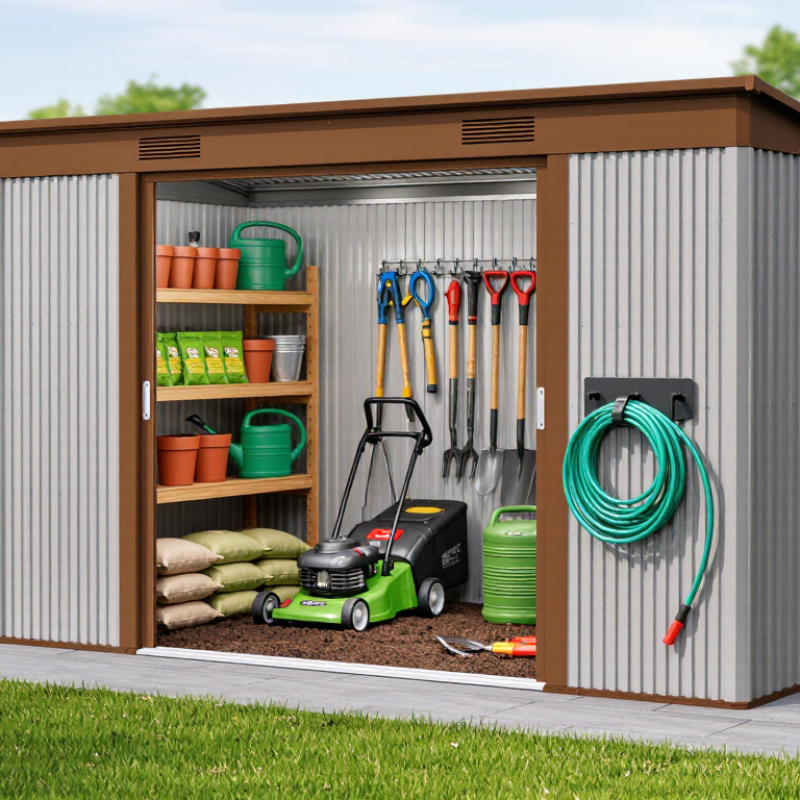
In practical use, the shed becomes a working extension of the garden. Shelves keep small tools visible, while wall hooks can hold a rake or spade. A dry floor helps prevent moisture damage, but ventilation still matters because damp air can encourage mold and rust. I have found that placing frequently used tools near the door saves time. Heavy items should remain low to reduce lifting risks. Keep a clear walkway.
The best shed size depends on the garden, household habits, and equipment used throughout the year. Measuring larger items before installation prevents an awkward fit. This step is easy to overlook. A lockable door may improve security, while raised flooring can reduce contact with wet ground. However, a shed is not automatically maintenance-free. Roof surfaces, hinges, seals, and floor areas need occasional inspection. I once underestimated storage growth and filled a small shed too quickly. Leaving some empty space allows safer access and makes future use less frustrating.
What Is a Garden Storage Shed Used For?
Common Items Stored Inside a Garden Storage Shed
A garden storage shed keeps outdoor equipment protected, organized, and easier to reach. It often stores lawnmowers, pruners, spades, rakes, hand trowels, and watering cans. Long-handled tools can hang from wall hooks, while smaller tools fit inside labeled boxes. This arrangement keeps sharp edges away from walkways and reduces accidental damage.
Garden hoses, sprinklers, plant pots, seed trays, and bags of compost also belong inside. Dry shelves help protect seeds from damp air and temperature changes. Heavy soil bags should sit on a low, stable surface. I prefer plastic bins for gloves and twine because loose items quickly become difficult to find. It sounds minor.
Many households use the shed for folding chairs, outdoor cushions, bicycles, children’s garden toys, and barbecue accessories. Cushions need a dry container, not just an uncovered shelf. A narrow aisle matters more than extra storage space. I once filled a shed too tightly and damaged a mower handle while removing a ladder. That mistake changed my layout.
Good ventilation prevents musty odors and condensation. A raised floor helps limit moisture from wet ground. Keep flammable liquids, fuels, and hazardous garden chemicals only where local safety rules and the shed’s design allow. Never store food, medicines, or valuables there. A lock, clear labels, and regular pest checks make everyday use safer and more reliable.
| Storage Category | Common Items | Typical Storage Purpose | Recommended Storage Method | Important Considerations |
|---|---|---|---|---|
| Hand Gardening Tools | Trowels, hand forks, pruners, weeders, and cultivators | Keeps frequently used tools together and protected from rain | Hang on a pegboard or place in a divided tool organizer | Clean and dry metal surfaces before storage to help prevent rust |
| Long-Handled Tools | Shovels, spades, rakes, hoes, and forks | Saves outdoor space and prevents tools from being left on the lawn | Use wall brackets, vertical racks, or sturdy hooks | Store handles securely so tools cannot fall or block the doorway |
| Lawn Care Equipment | Lawn mower, grass trimmer, edger, and leaf blower | Protects larger equipment from weather and extends its usable life | Keep on a level floor with clear access for removal | Drain or manage fuel as required and never operate fuel-powered equipment indoors |
| Watering Equipment | Hoses, hose reels, watering cans, sprinklers, and connectors | Prevents hoses from becoming tangled, damaged, or exposed to harsh weather | Wind hoses onto reels and place cans on low shelves | Empty water from containers before freezing weather |
| Planting Supplies | Plant pots, seed trays, labels, ties, and propagation accessories | Keeps small gardening supplies organized and ready for seasonal planting | Stack pots by size and use labeled storage bins for small items | Keep seeds and moisture-sensitive supplies in a cool, dry location |
| Soil and Fertilizer | Potting mix, compost, soil amendments, and plant food | Provides a dry place for materials used in planting and soil improvement | Store sealed bags on pallets, shelves, or a raised platform | Keep products dry, sealed, and away from children, pets, and drains |
| Outdoor Furniture | Folding chairs, small tables, cushions, and parasols | Reduces exposure to rain, frost, sunlight, and seasonal dirt | Fold furniture where possible and store cushions in sealed containers | Allow fabric items to dry completely before putting them away |
| Bicycles and Wheeled Items | Bicycles, scooters, wheelbarrows, and garden carts | Uses vertical or floor space efficiently while protecting equipment | Use wall hooks, bicycle stands, or a dedicated corner | Check door width and internal clearance before storing bulky items |
| Seasonal Decorations | Garden ornaments, outdoor lights, seasonal displays, and flags | Keeps occasional-use items out of the home and protected between seasons | Use labeled, lidded containers on high shelves | Wrap fragile items and avoid overloading shelves |
| Maintenance and Safety Supplies | Work gloves, kneeling pads, protective eyewear, cleaning brushes, and spare parts | Makes routine garden maintenance safer and more efficient | Keep in clearly labeled bins near the work area | Store hazardous substances separately and follow all product safety instructions |
A well-organized garden storage shed can protect outdoor equipment, reduce clutter, and make seasonal gardening tasks easier. Use shelves, hooks, labeled containers, and clear floor zones to make the most of the available space.
What Is a Garden Storage Shed Used For?
How Garden Sheds Support Outdoor Organization
A garden shed turns scattered outdoor equipment into a working system. It can hold hand tools, hoses, plant pots, soil bags, ladders, and seasonal furniture. Shelves keep small items visible, while wall hooks protect shovels from damp ground. A clear walkway matters, too. I have found that returning each tool to one fixed place reduces daily searching, especially after muddy weekend work.
The demand for usable outdoor space is growing. The 2024 Houzz & Home Study reported that 58% of surveyed homeowners completed renovation projects in 2023. As gardens become more active living areas, storage helps preserve their appearance and function. A well-planned shed can separate chemical-free gardening supplies from cleaning tools, reducing clutter near patios and doors. Ventilation, raised flooring, and weather-resistant construction also help protect contents from moisture.
Small details decide whether the shed stays organized. A narrow shelf can waste space if storage boxes cannot fit beneath it. Measure equipment before installing cabinets. Labeling helps, although labels may fade outdoors. That is worth checking. The Global Garden Products Report by MarketLine identifies garden maintenance equipment as a continuing consumer category, supporting the need for practical household storage. Still, a shed is not automatically efficient. Without regular sorting, it can become another crowded room with a roof.
Garden sheds help organize tools, lawn equipment, bicycles, seasonal items, and DIY supplies by moving bulky belongings out of the home while keeping them accessible outdoors.
How to read the chart: Shed floor area is calculated from common rectangular footprints. A 6 × 4 ft shed provides 24 square feet for basic tools, while larger footprints can accommodate combinations such as bikes, lawn equipment, shelving, and a small workbench.
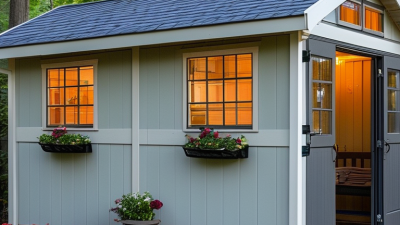
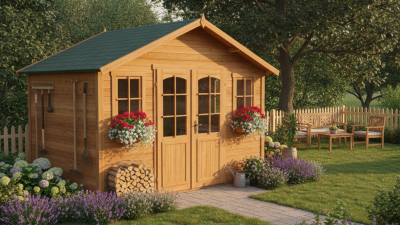
A garden storage shed can be far more than a place for forgotten tools. Its practical value depends on size, design, and everyday features. A compact shed suits balconies, patios, and small gardens. It can hold hand tools, watering cans, seed trays, and folded chairs. Wall hooks and narrow shelves protect floor space. Every inch matters.
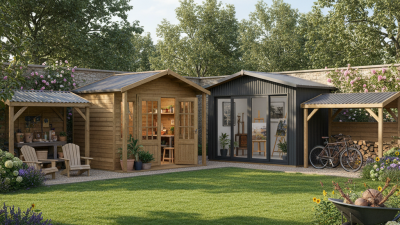
Medium sheds offer more flexible storage. They can separate lawn equipment from gardening supplies, reducing clutter near the house. Double doors make bulky items easier to move. A small window provides daylight and improves ventilation. Larger sheds may include a workbench, potting area, or bicycle storage. Their deeper layout supports seasonal organization, but poor planning creates wasted corners. My first layout was too optimistic. I needed more walking space than expected.
Design features also affect comfort and durability. A raised floor helps reduce moisture damage, especially on damp ground. Strong shelving supports soil bags, pots, and heavier equipment. Ventilation openings limit stale air and condensation. Secure doors protect ordinary household property, while clear access improves daily use. Weather-resistant materials require less maintenance, although no shed stays perfect without inspection. Check the roof, hinges, floor, and drainage after heavy rain. A shed should match its user, not only its garden. A beautiful design can still fail when the doorway is too narrow.
A garden storage shed protects tools, bicycles, hoses, and seasonal equipment from weather and household clutter. Its usefulness depends on safe organization, not floor space alone. Keep heavy items below waist height, with sharp tools secured on wall-mounted hooks. Leave a clear walkway from the door to the rear wall. It sounds obvious, yet crowded sheds often become difficult to inspect.
Moisture is the quiet problem. Check the roof after heavy rain, especially around flashing and fasteners. Maintain airflow through vents, but cover openings with mesh to discourage pests. The U.S. Environmental Protection Agency’s moisture-control guidance links persistent dampness with mould growth and material damage. A raised floor, dry shelving, and a small gap between stored boxes can help. I would not store cardboard directly against an exterior wall; one wet season can prove that mistake expensive.
Safety requires deliberate storage. Keep fuels, fertilizers, and household chemicals in their original, clearly labelled containers, away from heat and children. Never place them beside electrical equipment or a leaking battery. The National Fire Protection Association reports an annual average of about 374,000 home structure fires in the United States, based on recent five-year data. A shed is not automatically fire-safe. Inspect extension cords for cuts, use suitable outdoor-rated equipment, and avoid overloading one outlet. For ladder work, set the ladder on firm, level ground and keep three points of contact. OSHA identifies falls as a major source of serious workplace injuries; homeowners deserve the same caution. I still find that a ten-minute inspection is easy to postpone. That is exactly why a monthly reminder matters.