Top 10 Easy Shed Buying Tips for Global Buyers?

Buying a shed across borders can feel simple until measurements, weather, delivery, and local requirements collide. This guide explores ten practical Easy Shed buying tips for global buyers. It focuses on decisions that remain useful beyond attractive product photographs.

“Choose a shed for the site, the climate, and the work, not just the catalogue image,” says Daniel Harper, an Easy Shed design consultant with more than fifteen years of experience in outdoor storage planning. His advice highlights a common mistake: buyers often compare prices before checking ground conditions, access routes, ventilation, and construction materials.

A reliable purchase begins with purpose. Will the shed store garden tools, bicycles, machinery, or sensitive equipment? A narrow door may frustrate daily use. A roof designed for mild weather may perform poorly under heavy snow or strong coastal winds. Buyers should measure the available space, including clearance for assembly and future maintenance. They should also confirm packaging dimensions, delivery responsibility, warranty coverage, and installation support.

Small details matter.

It is easy to overlook drainage, foundation levels, or afternoon sunlight. I have also seen buyers choose extra floor space they never use, while ignoring door height. That is not always a serious error, but it deserves reflection. The cheapest option may create higher transport, repair, or modification costs later. Product claims should be checked against clear specifications and independent customer experiences. With careful comparison, global buyers can select an Easy Shed that suits their site, climate, budget, and everyday routine.
Top 10 Easy Shed Buying Tips for Global Buyers?

Define Your Needs: Match Shed Type, Use, and Common 8×10-ft Sizes

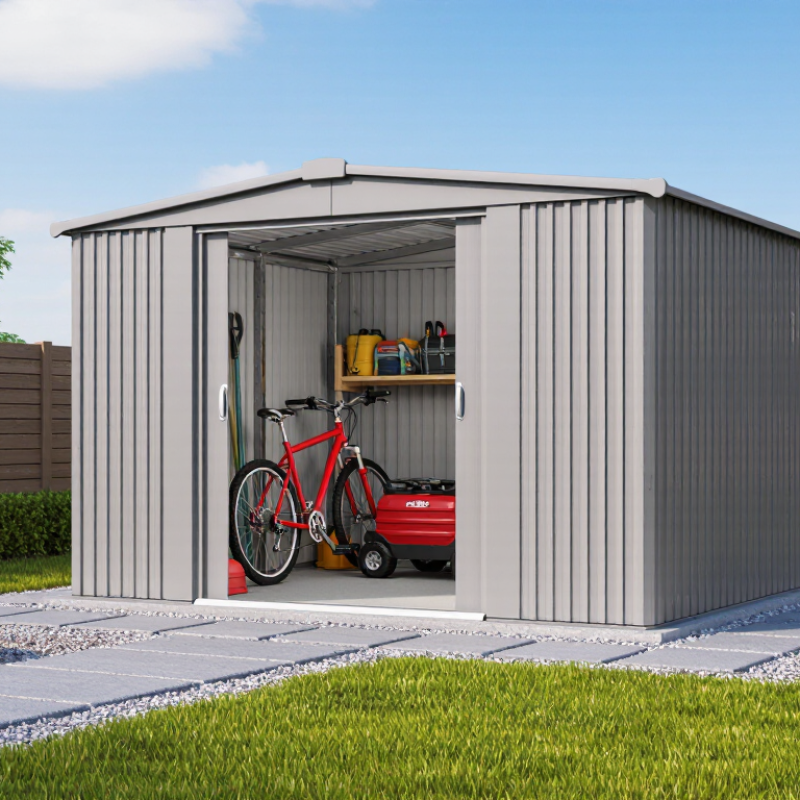
Before comparing sheds, decide what it must hold and where it will stand. A garden shed for a mower needs a wide door and a firm floor. A workspace needs daylight, ventilation, and enough headroom to move comfortably. For bicycles or seasonal boxes, shelving may matter more than extra height. Write down your largest item’s dimensions; guessing can lead to a frustrating fit.

An 8×10-foot shed offers 80 square feet, but usable space depends on wall height, door placement, and storage layout. Sketch the footprint beside your fence or patio, then check the route for delivery or assembly. Leave room to open doors and walk around stored equipment. Check drainage after rain, too. A level-looking patch may still collect water.

Tips: Compare wood, metal, and resin against your climate and maintenance tolerance. Confirm whether the quoted size describes the exterior or interior, and ask what flooring is included. Measure twice. I would not assume a standard kit includes every feature shown in a photo; details can vary. For regular work inside, test a simple layout using boxes or tape before ordering.
Verify Site Fit: Check Setbacks, Access, Drainage, and a 1–2% Slope

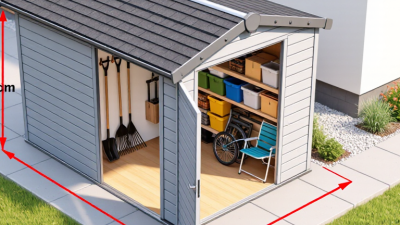
Before ordering a shed, measure the usable site, not just the empty patch you see from the window. Include roof overhangs, door swing, and room to move around the walls. Check local setback requirements, since rules can vary by location and property type. Confirm uncertain distances with the relevant local office rather than guessing from a neighbor’s shed. Then trace the delivery route from the road. Measure narrow gates, note low branches, and check whether a vehicle can turn without crossing soft ground. A few minutes with a tape measure can prevent an awkward delivery-day surprise.

Drainage matters just as much as dimensions. Look at the site after rain: where do puddles collect, and which way does water flow? A gentle 1–2% slope away from the shed can help move surface water; that is about 1–2 inches of fall per 10 feet. Keep the shed’s base level using a properly prepared pad, while grading the surrounding ground away from it. Water tells the truth. I would not rely on a quick glance on a dry day; I have found that a seemingly flat patch can hide a low spot. If the ground stays wet, reassess the location or ask a qualified site professional before preparing the base.

Compare Structural Ratings: Review 30–40 psf Snow Loads and Wind Resistance

When comparing sheds, treat a 30–40 psf snow-load rating as a starting point, not a guarantee. Ask whether the figure applies to roof load or ground snow load; they are not interchangeable. A roof’s shape, pitch, and drifting snow near taller buildings can change the load it carries. Check the manufacturer’s test documents and confirm the rating matches your local conditions with a qualified building professional.

Look closely at wind resistance, too. A listed wind speed means little without details about exposure, doors, roof connections, and anchoring. On an open, windy site, a shed may face stronger gusts than one sheltered by trees. Inspect how the frame connects to the base, and plan anchors suited to your soil and foundation. Small details matter. A heavy-looking shed can still lift if its base is poorly secured. I might be tempted to compare ratings alone; that is an imperfect shortcut. Ask for installation requirements and confirm they can be followed on your site. Keep written specifications, and check whether snow or wind ratings depend on specific assembly choices.

Confirm Global Compliance: Check CE, UKCA, ASTM, Permits, and Safety Codes

Global shed buyers should treat compliance as a buying requirement, not a paperwork exercise. A shed may need CE marking when it includes regulated electrical, structural, or mechanical components for the European market. UKCA requirements depend on the product and current market rules. Ask for the Declaration of Conformity, test reports, and clear product identification.

For the United States, review relevant ASTM standards, local building codes, and installation requirements. ASTM compliance may cover materials, wind resistance, fasteners, or fire performance, but the exact standard matters. A seller should explain which tests apply to your shed model. Do not guess. A missing report can delay customs clearance or local approval.

Permit rules can change between cities, even within one country. Check setbacks, foundation details, height limits, drainage, and electrical work with the local authority before ordering. Keep the technical drawings, anchoring instructions, material specifications, and safety labels together. A permit office may request them later. Paperwork can look convincing, yet outdated.

I have found that small details often expose larger risks. For example, a drawing may show one roof load, while the quotation describes another. Ask for written confirmation before payment. Also verify whether installation changes the certification status. A compliant product can become unsafe when modified without professional review. Details matter.

Top 10 Easy Shed Buying Tips for Global Buyers: Check Compliance References

Selected compliance-related milestones (year). These dates identify regulatory or standards references; they do not establish that a shed complies. Requirements depend on the product, intended use, and local jurisdiction.

Before buying, confirm which marking and construction standards apply, and ask local authorities about permits, zoning, foundations, and safety codes. Reference points shown: the EU Construction Products Regulation (305/2011), UKCA marking introduced in 2021, the 2024 International Residential Code edition, and ASTM E84-24.

Calculate Total Cost: Include Freight, Assembly, Warranty, and 10–20-Year Life

A shed’s advertised price is only the starting point. Global buyers should calculate freight, import charges, unloading, site preparation, assembly, and local taxes. Freightos’ 2024 ocean freight analysis shows that container rates can change sharply during disruption periods. A low quotation today may become expensive next month. Request a delivered-to-site price, not only a factory price.

Tip: Ask for three landed-cost scenarios. Include port delivery, final-mile transport, crane access, and assembly labor. Measure the route carefully. A narrow gate or soft driveway can create unexpected equipment costs. Warranty terms also need inspection. Check coverage length, excluded moisture damage, replacement procedures, and whether labor is included. I still miss small fees sometimes.

Think across 10–20 years, not just purchase day. The USDA Forest Products Laboratory identifies moisture as a major cause of wood decay. Therefore, drainage, roof overhangs, ventilation, and ground clearance affect lifetime cost. Add repainting, roof repairs, fastener replacement, pest treatment, and possible relocation. A cheaper shed needing repainting every three years may cost more than a durable model with higher freight. Industry lifecycle costing guidance from RICS recommends separating initial, operating, maintenance, and replacement costs. That method is practical, although real weather can disrupt neat forecasts. Keep invoices, drawings, and warranty records. Compare total ownership cost per year, not the headline price.