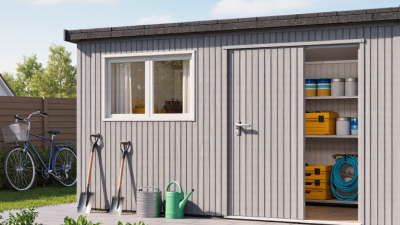
How to Choose the Best Large Shed in 2026?
Choosing a Large Shed in 2026 means balancing usable space, site conditions, durability, and total cost—not simply picking the biggest model. A roomy shed can hold garden tools, bicycles, a mower, and seasonal furniture, but only if its doors, floor, and layout suit those items. Start with a measured inventory and mark the footprint on the ground. That matters. Check access paths, roof overhangs, and space for doors to open before comparing products.
Home improvement spending offers useful context, though it does not measure shed purchases directly. The 2024 U.S. Houzz & Home Study reported a $24,000 median renovation spend for 2023, up from $22,000 in 2022. That trend suggests homeowners are making substantial investments in their properties; it does not mean a shed will automatically add value. Material choice deserves equal care. The USDA Forest Products Laboratory’s Wood Handbook—Wood as an Engineering Material explains how moisture exposure, wood species, and treatment affect performance. For a wooden shed, those details can matter more than a glossy finish. Metal and resin models bring different trade-offs in maintenance, ventilation, and repairability.
A sound comparison should examine stated dimensions, foundation requirements, roof design, warranty terms, and local weather exposure. Ask how the floor handles heavy equipment and whether the entrance is wide enough for it. Measure twice. Product specifications can be incomplete, and advertised capacity may not reflect real-world access. The best Large Shed is the one that fits your site and routine, with room to adapt—not a structure chosen on square footage alone.
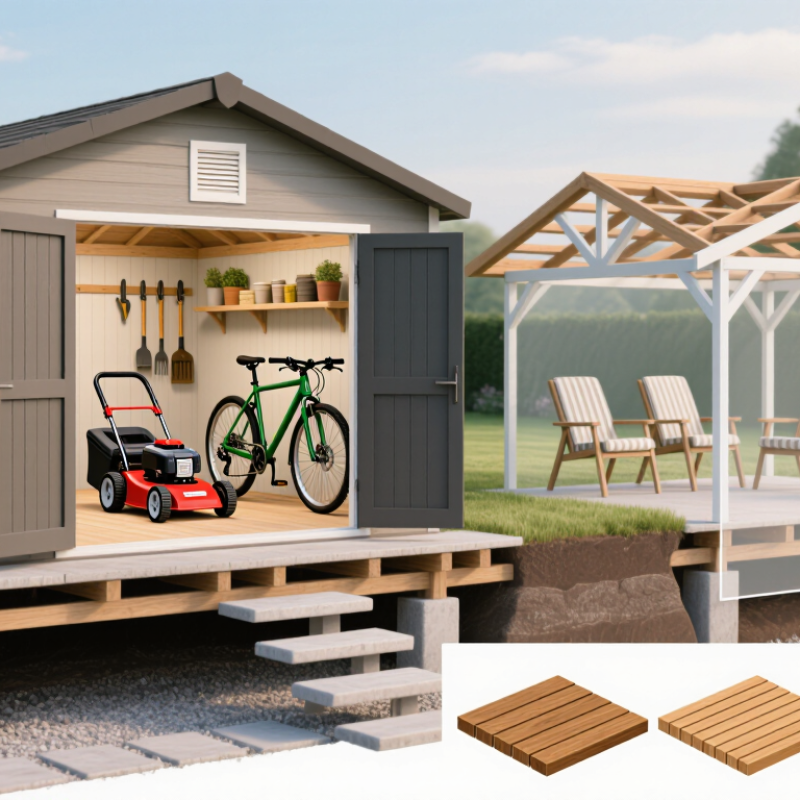
What Defines a Large Shed and How Is It Used?
What Defines a Large Shed and How Is It Used?
There is no universal size that officially makes a shed “large.” In practical terms, a 12-by-20-foot shed offers 240 square feet—enough room for a mower, bicycles, shelving, and a small workbench. The International Code Council’s 2024 International Residential Code, Section R105.2, uses 200 square feet as a permit-exemption threshold for certain detached accessory structures. That threshold is not a definition of “large,” and local rules may differ. Check local requirements before choosing dimensions.
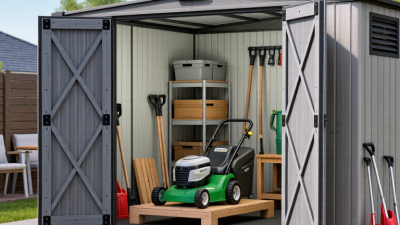
Think about what must fit inside, then allow space to move around it. A shed used for garden tools needs less clear floor area than one storing a riding mower or serving as a hobby workshop. Measure bulky items, including handle and door clearance. Leave a walking aisle. It sounds obvious, but people often plan for objects and forget the person carrying them.
Storage is only one use. A large shed can keep seasonal equipment out of the garage, protect outdoor cushions from rain, or provide a bright work area with a window and sturdy bench. Still, a bigger footprint is not automatically better. It may crowd a narrow yard, and unused corners can become clutter zones. Be honest about what you will store. That estimate may be imperfect.
Which Materials and Construction Types Suit Your Site?
A large shed should suit the ground beneath it, not just the items you plan to store. Walk the site after rain and check for pooling water, soft soil, and overhanging branches. A level, well-drained base helps doors stay aligned and reduces moisture problems. It matters more than it looks.
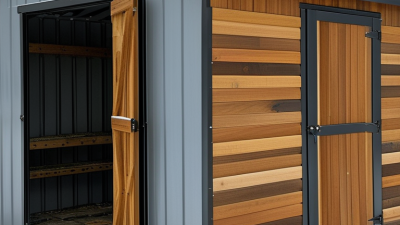
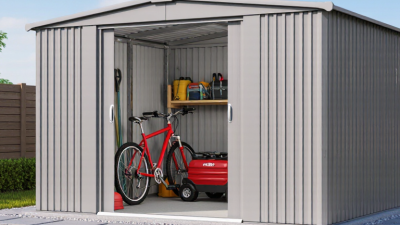
Timber sheds are easy to adapt with shelves, hooks, or extra framing, but they need periodic checks for rot and coating wear. Keep the base clear of standing water, especially near corners. Metal sheds are often lighter and resist rot, yet thin panels can dent and may need careful anchoring in windy areas. Condensation can also form inside when temperatures shift, so ventilation and a suitable floor matter. Resin panels resist routine weathering, though large structures may need a solid, level foundation to prevent flexing.
Construction type should match local exposure. In snowy areas, check the roof design and stated load capacity rather than judging strength by appearance. For exposed sites, look for secure connections between the frame, roof, and base. Check access, too: a wide door is useful for a mower, but it needs room to swing open. Measure that space.
No material is maintenance-free. Consider how often you can inspect the shed, whether repairs are manageable, and how the structure will be anchored. Site conditions vary, and a detail I once overlooked was drainage beyond the shed itself. Water can run back toward the base.
How to Compare Size, Features, Durability, and Cost
Start with what the shed must hold, not its advertised footprint.
Measure bulky items, such as a mower, bicycles, or shelving, and allow room to move around them. Check the door opening and interior height, too. A shed can look spacious online yet feel cramped once equipment is inside. Leave clearance for access. Also consider the path from your home to the site; delivery and assembly may need more space than expected.
Compare useful features against your routine.
Wide doors help with wheeled equipment, while windows add daylight but may reduce wall space for storage. Vents can limit trapped moisture. Durability depends on more than the wall material: inspect roof construction, joints, hardware, and the recommended base. Match these details to local weather, and check the maker’s stated wind or snow limits where relevant. Small details matter. Still, specifications do not reveal everything about long-term upkeep.
Compare the full cost, not just the listed price.
Include delivery, site preparation, assembly, flooring, and likely maintenance. A lower-priced option may need more care, while a sturdier build can cost more upfront. Ask for written dimensions, material details, warranty terms, and care instructions before deciding. Then compare sheds of similar size and construction. A neat spreadsheet helps, but it cannot predict every inconvenience; even a carefully chosen layout may need adjustment after a season of use.
What to Check Before Buying and Installing a Shed in 2026?
Before buying a large shed in 2026, measure the biggest items you’ll store, including their handles and wheels. Check the door opening, not just the shed’s advertised floor area. Leave room to walk around equipment and open doors. A riding mower may fit inside yet still be awkward to turn. Also check local setback and permit requirements before ordering; these vary by location.
The base matters as much as the shed. Choose a level, well-drained site, and confirm the foundation suits the shed’s weight and ground conditions. Ask the installer how the structure will be anchored for local wind exposure. NOAA’s 2023 U.S. Billion-Dollar Weather and Climate Disasters report counted 28 such events, a reminder to consider local risks like heavy rain and strong winds. It is easy to focus on storage capacity and overlook drainage. That mistake can be costly.
Tips: Mark the shed’s footprint with string, then test the path from the driveway to the door. Check that gutters can direct water away from the base. Request written details on floor load limits, anchoring, ventilation, and assembly requirements. Compare those details with your planned use—not just the listed dimensions.