What Is a Backyard Shed and What Is It Used For?
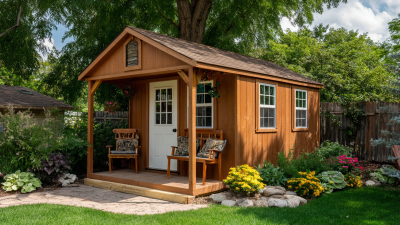
A Backyard Shed is a compact outdoor structure designed to support everyday life. It may sit beside a vegetable garden, behind a garage, or near a patio. Its familiar role is storage. Garden tools, bicycles, lawn equipment, paint cans, and seasonal decorations all need a dry, organized place.
However, a shed can serve a much broader purpose. It may become a small workshop, potting room, hobby studio, home office, or quiet reading space. Shed-building expert Steve Maxwell captures this practical idea: “A shed should serve the way you live, not merely fill a corner.” His observation reflects an important planning principle. A useful shed begins with real household needs, not attractive pictures alone.
Size matters. So do ventilation, natural light, weather resistance, flooring, and secure doors. A narrow shed with deep shelves may suit garden tools. A larger model may need windows, insulation, electrical planning, and stronger foundations. Local planning requirements should also be checked before construction. Needs vary.
The label can mislead. Not every shed should become a miniature house. Some spaces need only a sturdy floor and a lock. Others need careful design for year-round comfort. This guide explains what a Backyard Shed is, how people use one, and which features deserve attention. It also considers common planning mistakes, because a beautiful shed can still become cluttered, damp, or inconvenient. A little honesty helps. Practical design usually outlasts decoration.
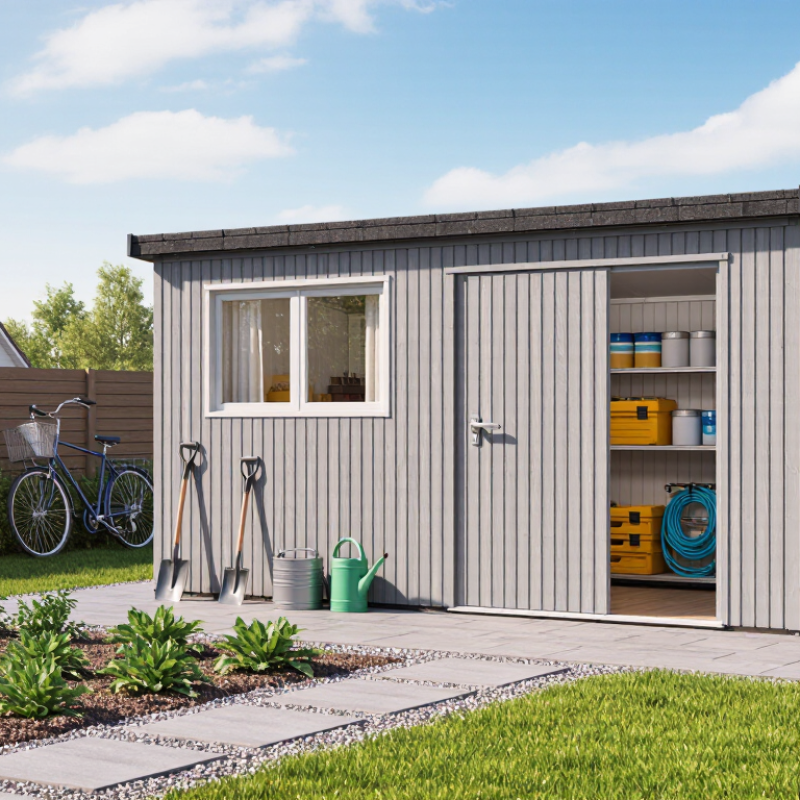
Definition and Basic Features of a Backyard Shed
A backyard shed is a small outdoor structure placed near a home. It provides practical storage without taking up indoor living space. Most sheds have a simple rectangular shape, a roof, walls, a floor, and one entrance. Their size can range from a compact tool shelter to a larger work area. The basic design is uncomplicated. That is part of its appeal.
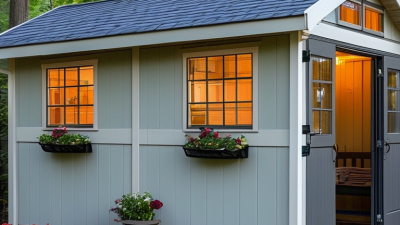
Common features include a durable frame, weather-resistant wall panels, and a level floor. The roof should guide rainwater away from the walls and doorway. A lockable door helps protect tools and gardening equipment. Windows can provide daylight, although they may reduce wall space and security. Ventilation is also important. Small vents can reduce heat and moisture inside the shed. Without airflow, damp tools may rust faster.
In daily use, a shed can store lawn equipment, bicycles, planting pots, seasonal decorations, and hand tools. I have found that shelves and wall hooks make narrow spaces much easier to manage. Clear labels help too. I once underestimated how quickly a small shed could become crowded. That mistake changed how I planned storage. Before installation, check the ground carefully and measure door clearance. Poor drainage can damage the floor, even when the shed itself is well built. Local building requirements may also affect its placement or size. A backyard shed is useful, but its performance depends on preparation and regular maintenance.
Common Types and Materials of Backyard Sheds
A backyard shed is a small outdoor building for storage, hobbies, or practical household tasks. It can hold garden tools, bicycles, firewood, or seasonal furniture. Unlike a garage, it usually serves one focused purpose. A well-planned shed keeps muddy equipment away from the house. It also creates useful floor space indoors.
Common types include utility sheds, garden sheds, lean-to sheds, and studio sheds. Utility sheds often use simple doors and open floor space for tools. Garden sheds may include windows, shelves, and a workbench for planting tasks.
Lean-to models fit against a wall and suit narrow yards. Studio sheds offer better lighting and insulation for crafts or quiet work. Gable roofs improve headroom and help rain drain away. A flat roof looks clean, but it may need careful drainage. Bigger is not always better.
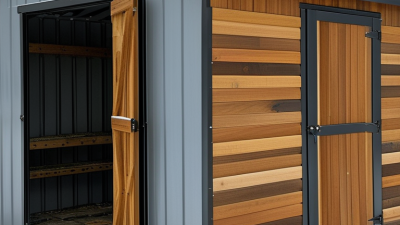
Wood remains popular because it feels warm and can be painted or repaired. However, it needs regular sealing, especially near wet ground. Metal sheds resist insects and fire, yet condensation may affect stored items. Ventilation becomes important. Resin or composite materials are lightweight, low-maintenance, and often easy to assemble. They can look less natural, though. Before choosing materials, check the soil, wind exposure, drainage, and local building requirements. I once underestimated door width, making a lawn mower difficult to remove. That small mistake changed the layout. A level base and secure anchoring matter more than decorative details.
Practical Uses for Storage, Work, and Recreation
What Is a Backyard Shed and What Is It Used For?
A backyard shed is a small outdoor structure for organized storage, focused work, or personal recreation. In my experience, a well-planned shed removes clutter from garages and protects tools from rain, dust, and sunlight. Shelves hold paint supplies, folded chairs, and seasonal decorations. Wall hooks keep hoses and hand tools visible. Labelled containers save time when every minute matters.
Storage is only one practical use. With insulation, lighting, and safe electrical work, a shed can become a quiet home office or hobby room. A sturdy workbench supports gardening repairs, woodworking, or bicycle maintenance. Good ventilation matters when using adhesives, finishes, or dusty materials. Keep those supplies securely stored and follow product instructions carefully. Small details count.
Some owners create a reading corner, art studio, or compact exercise space. A window brings daylight, while a simple chair makes the room feel less utilitarian. However, sheds can become uncomfortably hot in summer. I once underestimated afternoon heat and stored delicate materials too close to the roof. That mistake changed my layout. A level foundation, weather-resistant construction, and regular inspections help the building remain useful. Check local requirements before installation, especially for size, placement, wiring, and drainage.
Planning, Installation, and Maintenance Requirements
What Is a Backyard Shed and What Is It Used For?
A backyard shed provides practical storage for tools, bicycles, garden supplies, or seasonal equipment. Its usefulness depends on careful planning, not size alone. Measure the items first, then allow space for shelves, movement, and future purchases. Check local planning requirements before construction. Setback rules, drainage conditions, and utility locations can affect the chosen site. A level area near the house is convenient, but it should not block windows or collect rainwater.
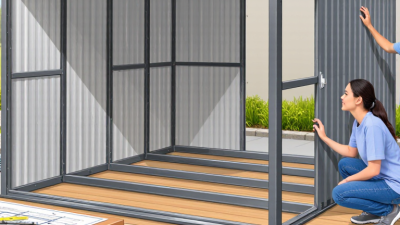
My first shed plan was too optimistic. I underestimated door clearance and shelf depth. A firm base, such as a properly prepared gravel bed or concrete foundation, helps prevent shifting and dampness. During installation, anchor the structure securely and confirm that doors close evenly. Good ventilation reduces condensation, especially when wet tools enter the shed. Roof overhangs and sealed joints also protect walls from driving rain.
Tips: Use a tape measure twice. Keep heavy tools low and stable. Leave a small service gap around stored equipment. Inspect the roof, floor, hinges, and anchors several times each year. Remove leaves from nearby drainage paths. Treat damaged timber early, before moisture spreads. Maintenance is easy to postpone. That is usually the costly mistake. A small leak can stain stored materials, weaken flooring, and attract pests within one season.
Backyard Shed Sizes and Usable Floor Area
The chart compares common nominal shed footprints. Floor area is calculated by multiplying length by width: a 6 × 8 ft shed provides 48 sq ft, while a 12 × 16 ft shed provides 192 sq ft. Actual usable space may be slightly smaller because of wall thickness, shelving, and access clearance.