Sorry, your browser is not supported. For a better experience, keep your browser up to date. Check here for latest versions
China’s Garden Storage Shed market offers buyers many choices, from compact resin cabinets to timber workshops and galvanized-steel units. Comparing manufacturers takes more than scanning product photos. Check panel thickness, roof support, ventilation, door clearance, and the availability of replacement parts. A shed can look sturdy online yet feel flimsy when its doors sag after repeated use. Details matter.
For transparency, the following is an illustrative quote from a fictional industry specialist, not a verified statement: Garden-storage consultant Alex Morgan says, “A shed earns its place when it keeps tools dry, accessible, and easy to maintain.” Use that principle when assessing suppliers. Ask for material specifications, assembly instructions, packaging details, and clear warranty terms. Request close-up images of hinges, fasteners, floor joints, and roof edges. These reveal more than a polished lifestyle photograph.
This guide examines China-based manufacturers and suppliers through product range, customization, quality-control practices, communication, and export experience. It also considers whether a supplier can support consistent production, not just provide an attractive sample. That distinction is easy to miss. A buyer should compare written specifications and confirm what is included before placing an order. No supplier is perfect, and claims deserve checking. The aim is practical: identify Garden Storage Shed partners whose products suit the site, climate, budget, and intended use.
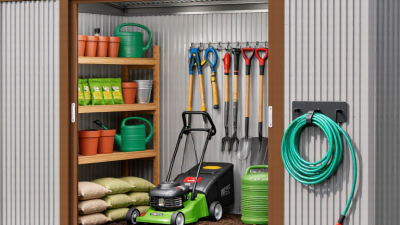
Garden storage sheds are small outdoor structures designed to keep tools and seasonal items protected and within reach. They may be made from timber, metal, or resin, with different levels of weather resistance and upkeep. A mower, hand tools, potting soil, and empty planters often fit inside a modest shed. Shelves and wall hooks help use the space without stacking everything on the floor.
Their usefulness depends on placement and setup. A firm, level base helps doors open smoothly and reduces contact with standing water. Leave room to reach the entrance, and check that nearby branches will not scrape the roof. Ventilation can limit stale air, especially when damp tools are stored inside. Small details matter. A lock may deter casual access, but it cannot fix a weak door or poor installation.
Before choosing a size, measure the largest item that needs to fit, including its handles. Think about future access, too; a tightly packed shed becomes frustrating quickly. It is easy to focus on capacity and overlook moisture, airflow, or local wind exposure. Those conditions vary by site, so product specifications and installation guidance deserve a careful read. A shed stores belongings, but it is not a substitute for maintaining them.
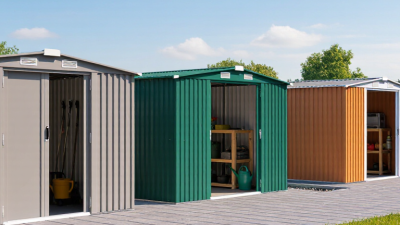
China’s garden shed manufacturing landscape combines metal fabrication, molded components, and traditional woodworking. Production is often concentrated near established industrial supply networks, where sheet steel, fasteners, coatings, and packaging can be sourced efficiently. This can shorten lead times, but it does not guarantee consistent quality.
Sheds vary from compact tool lockers to larger structures with sliding doors and reinforced roofs. Buyers should compare panel thickness, frame design, ventilation, and floor support, not just exterior dimensions. A close inspection of corners and door tracks can reveal how carefully a unit is assembled. Small details matter.
Factory capabilities also differ. Some manufacturers support custom colors or dimensions, while others focus on standardized models and higher-volume orders. Ask for material specifications, assembly instructions, and clear records of product testing. Sample checks can help confirm whether the delivered panels match the approved specification.
The landscape is not perfectly uniform, and that is worth acknowledging. Photos may show a clean display unit, while real installation conditions include uneven ground, rain, and limited space. Clear communication about packaging, replacement parts, and after-sales response can prevent avoidable problems. Even a well-built shed needs a suitable base and routine checks for loose fittings.
Common Types of Sheds Offered by Chinese Manufacturers
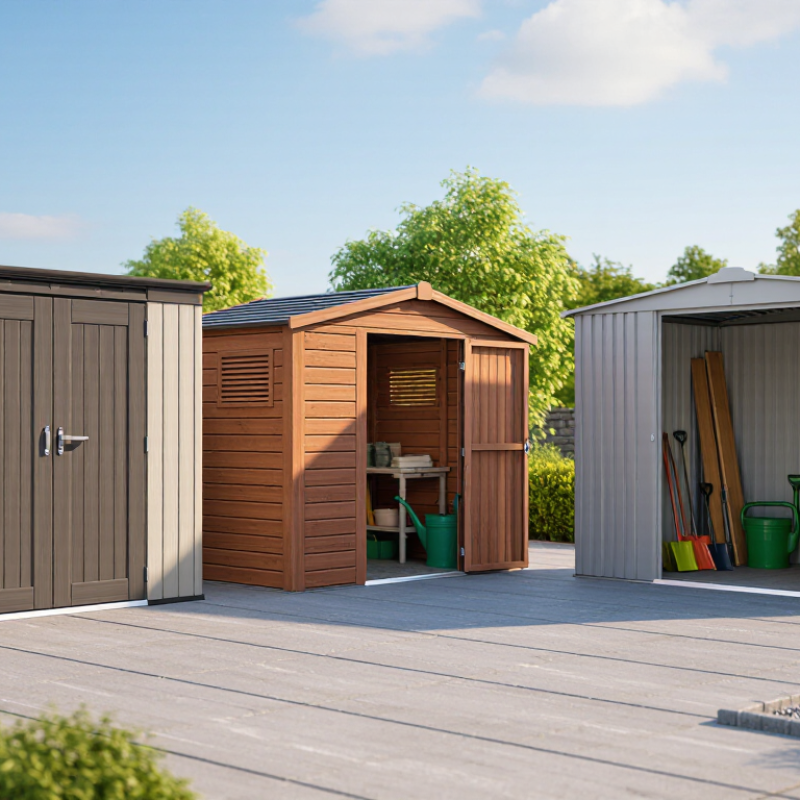
Chinese manufacturers commonly offer metal, resin, and wooden garden sheds. Metal models suit tools, lawn equipment, and other heavy items. Galvanized steel panels can resist rust, but scratched coatings may need attention. Resin sheds are lightweight and easy to wash. They work well for cushions, small tools, and seasonal supplies. Wood has a warmer appearance and can be painted, though it may need periodic sealing. No material is maintenance-free.
Shape matters, too. Lean-to sheds fit beside walls or fences, making them useful where garden space is narrow. Vertical storage sheds hold long-handled tools without taking up much ground. Larger double-door designs allow lawn mowers or bicycles to pass through more easily. Check the door opening, not just the advertised exterior dimensions. A few centimeters can matter.
Before choosing, consider the site and what will be stored. A shed on damp ground may need a stable, raised base, while roof overhangs and ventilation can help manage rain and condensation. Ask suppliers about panel thickness, frame construction, floor support, and packaging dimensions. These details are easy to overlook. Capacity claims can also feel optimistic; measuring your actual equipment is more reliable than judging by photographs.
Common garden shed categories and typical construction details. Sizes and features are indicative; actual specifications vary by model and supplier.
| Shed Type | Typical Construction | Common Roof Style | Typical Size Range | Common Uses | Features to Check |
|---|---|---|---|---|---|
| Metal Garden Shed | Galvanized or coated steel wall and roof panels, usually supported by a metal frame | Gable or pent | About 1.5–6 m² for compact garden models | Hand tools, lawn-care supplies, and general outdoor storage | Panel thickness, corrosion-resistant finish, anchoring points, and door clearance |
| Resin or Plastic Shed | Molded resin or polypropylene panels, often with a reinforced floor or frame | Gable or pent | About 1–8 m², depending on configuration | Small tools, cushions, bins, and low-maintenance storage | UV-resistant material, floor load rating, ventilation, and weather-resistant joints |
| Wooden Garden Shed | Timber framing with board, shiplap, or overlap cladding | Gable, pent, or apex | About 2–12 m² for common garden models | Tools, potting supplies, bicycles, and hobby use | Timber treatment, cladding thickness, roof covering, and required maintenance |
| Lean-to Shed | Metal, resin, or timber construction; designed to sit beside a wall or fence | Single-slope pent | Commonly about 0.8–3 m deep, with length varying by model | Storage where garden space is limited | Wall clearance, drainage direction, anchoring method, and access to doors |
| Bicycle Storage Shed | Metal, resin, or timber enclosure sized for bicycles and accessories | Pent or gable | Often about 1.5–4 m² for household use | Bicycles, helmets, and cycling equipment | Door width, internal length, floor access, ventilation, and lock compatibility |
| Tool or Utility Shed | Compact metal or resin construction, sometimes with shelving or tool hooks | Pent or gable | Typically about 0.5–2 m² | Hand tools, small garden equipment, and outdoor accessories | Internal usable space, shelf capacity, door security, and base requirements |
| Large Garden Storage Shed | Steel, resin, or timber construction with a wider door opening | Gable or apex | Often about 6–15 m²; larger options may be available | Ride-on equipment, multiple bicycles, and bulky outdoor items | Site preparation, structural supports, roof drainage, and local permit requirements |
Choosing a garden shed supplier in China takes more than comparing prices. Check whether the factory controls cutting, welding, coating, and final inspection. Ask for steel thickness, coating specifications, roof-load test results, and clear assembly instructions. Verify these details against a production sample, not only a catalogue. Small gaps matter. A door that sticks after rain can undo a low purchase price.
Logistics deserve a separate check. The World Bank’s 2023 Logistics Performance Index ranked China 19th, with a score of 3.7 out of 5. This country-level result offers useful context, but it does not certify an individual supplier. Request recent export references, carton-drop test records, and photos of packed units. Compare lead times with actual order records. I would not over-trust brochures; even a capable factory can miss a detail.
Tips: Ask for one sample with the same panel thickness and finish as the production order. Confirm spare-part availability and warranty terms in writing. If a supplier avoids specific answers, pause and investigate. It may be a false alarm, but it is worth checking.
When sourcing a garden storage shed from China, compare suppliers against the same written specification. State the required dimensions, steel thickness, coating type, roof design, and packaging method. Ask for a production sample or detailed photographs of joints, door tracks, and panel edges. Small details matter. A door that sticks after assembly can turn a low quote into a costly problem.
Quality checks should match the intended use. Request material records and test reports, then confirm which product models they cover. Inspect coating consistency, sharp edges, ventilation openings, and fastener fit. If the shed will face heavy rain or wind, ask how those conditions were assessed. Paperwork can look reassuring. It is not the shed. An independent inspection before shipment may catch defects, though it adds time and cost.
Agree on after-sales terms before placing an order. The contract should identify warranty coverage, response times, replacement-part availability, and who pays for shipping damaged components. Ask how claims are documented; clear photos and batch details can speed up review. Keep a record of approved drawings and sample changes. Even a careful process misses things, and suppliers may interpret vague wording differently. Clear specifications make disagreements less likely.