Sorry, your browser is not supported. For a better experience, keep your browser up to date. Check here for latest versions
A compact shed can solve a very practical problem: where to keep garden tools, bicycles, or seasonal stock when indoor space runs short. The demand context is changing. The United Nations’ World Urbanization Prospects 2018 estimated that 55% of the world’s population lived in urban areas, with the share projected to reach 68% by 2050. That report does not measure shed sales, but it helps explain why buyers increasingly value usable storage around homes and small businesses.
China is a major manufacturing base, yet country of origin alone says little about a supplier’s consistency. World Steel Association data recorded China’s crude steel production at about 1.005 billion tonnes in 2024. This signals industrial scale, not proof that any particular shed is durable. Buyers should check product-level evidence: steel thickness, corrosion protection, roof and floor design, packaging, spare-part availability, and clear assembly instructions. Details matter. A clean catalog can still hide a flimsy door or unclear specifications.
This guide to China’s top Small Storage Sheds suppliers for global buyers focuses on practical comparison, not promotional claims. It considers product range, customization, quality-control documentation, communication, and export readiness. Ask for drawings, material specifications, and photos of finished units before making a decision. Small details count. Even then, a sample may not reveal every production issue, so supplier claims deserve careful verification.
China’s small storage shed supplier landscape is varied, not a single factory model. Some suppliers make steel panels in-house, while others coordinate frames, coatings, and packaging through partner workshops. That difference can affect lead times and consistency. Ask who controls each production step.
For global buyers, compare more than the quoted price. Request drawings that show dimensions, panel thickness, roof pitch, door clearance, and anchoring details. Ask for recent photos of packed units, not only polished catalog images. A sample order can reveal sharp edges, unclear instructions, or hardware that shifts during transit. Small details matter.
Check how the supplier handles coating tests, replacement parts, and production changes. Confirm which inspection records are available and whether specifications will appear in the purchase documents. Clear communication is useful evidence, though it does not prove factory capability. A quick, precise reply helps. Still, color samples can look different under warehouse lighting. Agree on acceptable tolerances before production, then keep written records. No process is perfect. A reliable supplier will explain limits, flag risks early, and check feasibility before promising custom features.
Understanding China’s Small Storage Shed Supplier Landscape
The chart presents an illustrative 1–5 buyer evaluation framework, not measured supplier-market data. Global buyers can use these criteria to compare manufacturers, then verify specifications, certifications, lead times, and quality-control processes directly.
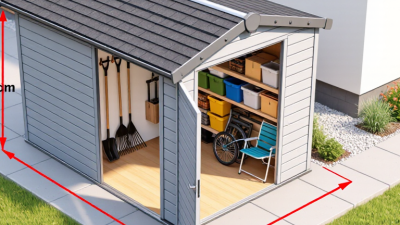
Small storage sheds come in several useful forms. Lean-to models fit beside a garage or fence, while gable-roof sheds offer more headroom for bicycles and garden tools. Vertical cabinets suit narrow patios, though their limited floor space can frustrate larger households. Measure the intended site, door clearance, and stored items before comparing suppliers. A shed that looks roomy online may feel tight once shelves are installed.
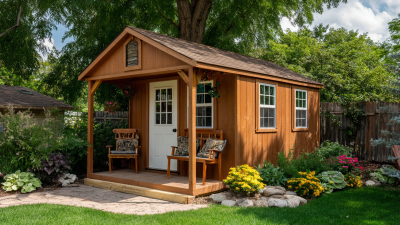
Material affects upkeep and performance. Resin sheds resist moisture and need little routine care, but they may feel less rigid in strong winds. Galvanized steel is durable and space-efficient, though scratches can expose metal to corrosion. Timber offers a natural appearance and can be adjusted on site, but it needs regular sealing.
Ask suppliers for panel thickness, roof load guidance, ventilation details, and assembly instructions. These details matter more than a polished product photo. Custom options may include extra windows, reinforced floors, lockable doors, shelving, or altered dimensions. More features are not always better; each change can affect price, delivery time, and assembly.
Tips: Request drawings with exact measurements, including the door opening. Check whether the quoted package includes anchors and floor panels. Keep it practical. If the shed will sit in direct sun or frequent rain, ask how its finish and structure handle those conditions. Small details are easy to miss.
When comparing Chinese small storage shed suppliers, look beyond the quoted unit price. Ask for a dated specification sheet covering panel thickness, frame material, roof load rating, coating, and included hardware. Request photos of packed goods and a recent assembly video. Corner joints and door alignment can reveal more than polished catalog images. A reliable supplier should explain which features are standard and which cost extra. If answers shift between sales messages, pause and confirm every point in writing.
Tips: Compare like with like. Send each supplier the same footprint, roof style, finish, packing method, and destination details. Ask about a sample or inspection plan when practical, and clarify what happens if parts arrive damaged. Small omissions matter.
Compare lead times against a stated production schedule, not a casual estimate. Ask how inspections are recorded, whether replacement parts can be supplied, and how packaging protects thin panels during shipment. Check references or project photos, but treat them as supporting evidence, not proof of every order’s quality. A low quote may exclude fasteners, drawings, or protective packaging. Proof beats promises. Still, a checklist cannot predict every delay; allow time to verify samples and refine questions as specifications become clearer.
| Evaluation Dimension | Information to Request | How to Compare Suppliers | Buyer Check |
|---|---|---|---|
| Product range and construction | Available shed materials and designs, such as galvanized steel, aluminum, resin, or timber; standard and customizable sizes; wall, roof, floor, and frame construction details. | Compare equivalent configurations rather than comparing products with different materials, dimensions, or included components. | Request dimensioned drawings, a bill of materials, and photographs of the exact proposed model. |
| Material specifications | For metal sheds, request the base-metal type, sheet thickness, coating type, and coating specification. For resin or timber products, request the material grade and relevant treatment or UV-resistance information. | Check that specifications are stated clearly and consistently in the quotation, technical drawings, and purchase contract. There is no single material specification suitable for every climate or application. | Ask for supporting test reports or material documentation where the specification is important to the project. |
| Wind, snow, and weather suitability | Design loads or test evidence for wind, snow, rain, corrosion, and UV exposure, as applicable to the product and destination. | Compare the documented performance with local building rules and site conditions. Load requirements vary by location, exposure, shed size, and installation method. | Confirm anchoring requirements, foundation details, drainage, and whether the stated performance applies to the complete installed shed. |
| Quality management and inspections | Factory quality procedures, incoming-material checks, in-process inspections, final inspection records, and any relevant quality-management certificates. | Verify certificate scope, issuing body, validity, and covered manufacturing site. ISO 9001 concerns quality-management systems; it is not a product-performance certification. | Agree on inspection points, acceptance criteria, and responsibility for inspection costs before production. |
| Customization and documentation | Available changes to dimensions, doors, vents, colors, packaging, labels, and instructions; sample drawings and approval process. | Compare the supplier’s ability to document and control revisions, not just its willingness to accept custom requests. | Approve a final drawing and written specification before placing the production order. |
| Testing and compliance for the destination market | Applicable test reports, declarations, product labels, installation instructions, and material or chemical documentation required for the intended market. | Requirements depend on product type and destination. Check whether documents cover the exact model and materials being purchased; do not treat a general certificate as proof of every requirement. | Confirm requirements with the relevant importer, regulator, or qualified compliance professional before shipment. |
| Packaging and container loading | Packaging drawings or photos, carton dimensions and weights, protection against moisture and handling damage, and a proposed packing list. | Compare the packed dimensions, shipment quantity, and protection method for the same product configuration. Container loading depends on packaging and shipment details. | Request a packing plan and confirm whether unloading equipment or special handling is needed at destination. |
| Production capacity and lead time | Current production schedule, stated lead time, capacity for the requested order, and the stages included in the delivery estimate. | Compare written schedules and clarify whether lead time begins after deposit, drawing approval, or another milestone. Lead times are order- and season-dependent. | Ask how delays, material shortages, and changes to the order will be communicated and managed. |
| Price and quotation clarity | Itemized product price, tooling or customization charges, packaging, inspection, inland transport, export documentation, and quoted trade term. | Compare quotations on the same specification, quantity, currency, and Incoterms® rule and named place. Incoterms® 2020 defines buyer and seller responsibilities for delivery, costs, and risk. | List exclusions explicitly, including duties, taxes, destination charges, and installation where applicable. |
| Payment and contract terms | Payment schedule, deposit conditions, balance-payment trigger, order-change rules, cancellation terms, and remedies for non-conforming goods. | Compare the full contractual risk allocation; payment practices are negotiated and are not a universal supplier benchmark. | Use a written purchase contract with approved specifications, delivery dates, inspection terms, and dispute provisions. |
| Warranty and after-sales support | Written warranty period, covered components, exclusions, claim process, replacement-part availability, and response arrangements. | Warranty coverage is not standardized. Compare the actual terms and practical process rather than relying on a stated warranty duration alone. | Confirm who pays for replacement parts and transport, and how claims are documented and resolved. |
| Supplier verification | Registered business details, manufacturing-site information, relevant export experience, references, and permission for a factory or third-party audit. | Check that the contracting entity, bank beneficiary, and production site are clearly identified and consistent with the transaction documents. | Verify business and payment details independently before transferring funds. |
| Comparison note: Request the same product specification and delivery basis from each supplier. Performance requirements, compliance obligations, prices, and lead times vary by product, destination, order size, and project conditions. | |||
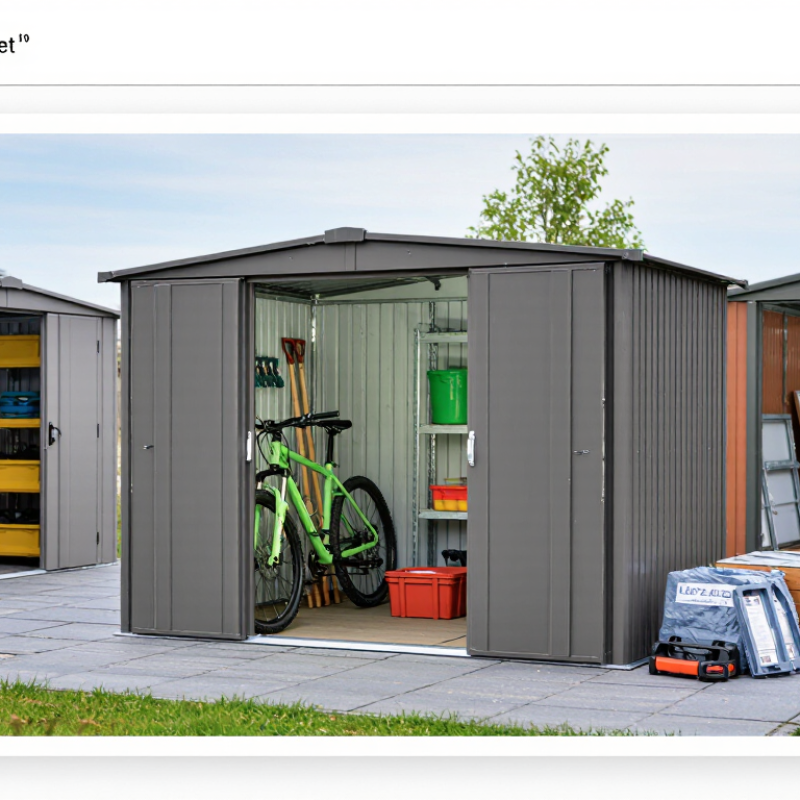
For global buyers, a small storage shed order should begin with a clear specification, not a product photo alone. Confirm the assembled dimensions, panel thickness, frame material, roof style, door opening, and included hardware. Ask for a packing list and written confirmation of any custom changes. Small details matter. A door that swings the wrong way can complicate installation, even when the shed itself is well made.
Quality control should be agreed before production starts. Request a sample or pre-production photos when practical, then ask the supplier to check dimensions, surface finish, fasteners, and component counts before packing. Photos help, but they do not reveal everything. A checklist can still miss a bent corner or a poorly protected edge, so buyers should define how defects are reported and resolved. Keep the approved specifications and inspection notes together.
Shipping plans affect the order, too. Flat-packed panels can use container space efficiently, but their corners need firm protection and moisture-resistant wrapping. Confirm package dimensions, gross weight, shipping marks, and document requirements with the supplier and your freight provider. Build time into the schedule for port handling and local delivery. Delays happen. A realistic timeline is more useful than an optimistic promise.
Before ordering a small storage shed, ask the supplier for a detailed packing list, commercial invoice, product dimensions, materials, and country-of-origin information. Import documents and product rules vary by destination. Confirm the likely tariff classification, duties, taxes, and any inspection or labeling requirements with a customs broker or the relevant local authority. Do not rely on a supplier’s estimate alone. A metal shed may need different documentation from a resin or timber model. Check crate dimensions too; a shed that fits a garden may not fit your receiving dock.
Get after-sales terms in writing before payment. Clarify the warranty period, what it covers, and who pays for replacement parts or freight. Ask whether panels, fasteners, hinges, and roof pieces can be purchased separately. Small parts matter. Request assembly instructions and a parts list, preferably with clear diagrams. On delivery, photograph crushed corners, torn wrapping, and missing components before discarding packaging. Send dated photos and the order number promptly, following the supplier’s claim process. Response times can vary, especially across time zones. A checklist helps, but it cannot prevent every delay; confirm who will handle a damaged shipment before it leaves the factory.