What Is a Wholesale Backpack and How Can You Buy in Bulk?
Buying a wholesale backpack is more than choosing a low price and placing a large order. It means matching capacity, materials, construction, and delivery timing to a real use case. A school retailer may need reinforced stitching and easy-clean fabric. A travel shop might prioritize padded straps, secure zippers, and several practical compartments. The right choice depends on who will carry the bags—and how often.
In this guide, we explain what “wholesale” means, how bulk pricing typically works, and which questions to ask suppliers before requesting a quote. Compare sample quality, minimum order quantities, available colors, shipping estimates, and replacement policies. A neat product photo is not enough. Check the seams, zipper movement, lining, and strap attachment points on a physical sample when possible. Small details matter.
A reliable expert quotation would strengthen this introduction, but no source or interview was provided. I won’t invent an expert’s name or attribute an unverified statement. Before buying, calculate the full landed cost, not just the unit price, and leave room for delays or defects. Bulk purchasing can reduce costs. It can also leave you with boxes of backpacks that customers do not want. A careful order starts with evidence, not optimism.
What Defines a Wholesale Backpack?
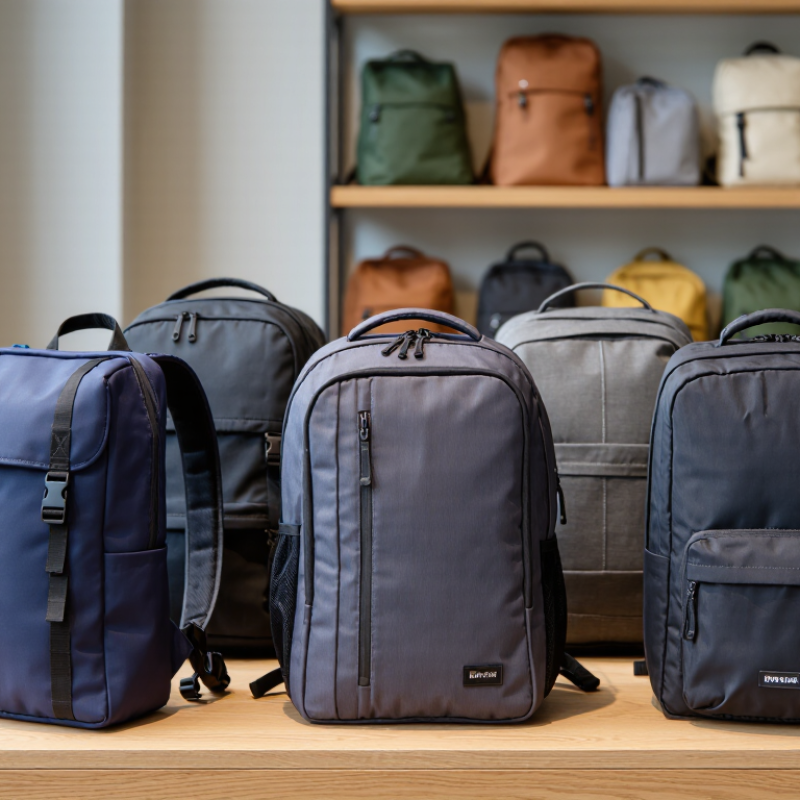
A wholesale backpack is a backpack purchased in a larger quantity from a manufacturer or distributor, usually at a lower unit price than a single retail purchase. The exact order size varies by supplier. Some set a minimum quantity; others offer price tiers as the order grows. Wholesale describes the purchasing arrangement, not a special backpack design. A plain canvas daypack and a padded school bag can both be sold wholesale.
For buyers, the important details are practical. Check the fabric weight, zipper movement, strap stitching, and inside seams on a sample. A bag may look sturdy on a screen, yet feel flimsy when loaded with books. Ask for its dimensions, capacity, available colors, packaging details, production time, and policy for faulty units. Compare the full quote, including shipping, rather than focusing only on the unit price. Small details matter.
Tips: Request a written quote and confirm the minimum order before paying. Test a sample with a realistic load, such as a laptop and two notebooks. Keep notes on any weak seams or stiff zippers. I’ve found that even careful checks can miss something; that is worth admitting. A sample reduces uncertainty, but it does not guarantee every bag will be identical.
How Wholesale Backpack Pricing and Ordering Work
Wholesale backpack pricing starts with the unit quote, but that figure rarely tells the whole story. Material, stitching, zippers, customization, packaging, and shipping terms all affect cost. Larger orders often reduce the unit price, but they also tie up cash and increase storage needs. Grand View Research estimated the global backpack market at $19.6 billion in 2023 and projected 6.8% annual growth through 2030. That market outlook does not guarantee a particular style will sell. I’d be cautious about ordering deep in several colors before testing demand.
Ask suppliers for tiered quotes, minimum order quantities, sample fees, production time, and payment terms. Compare landed costs, including freight and any inspection charges, rather than comparing unit prices alone. Check that the approved sample matches the written material and measurement specifications. A sample is useful, but it cannot prove every production unit will be identical. Put quality expectations and remedies for defects in writing. Small details matter.
Tips: Request quotes at several quantities, such as 100, 300, and 500 units. Ask whether mixed colors count toward the minimum. Confirm carton dimensions and shipping dates before paying a deposit. Keep a little room in the budget; freight estimates can change.
Who Buys Backpacks in Bulk?
Schools and school districts are major bulk buyers, ordering backpacks for student welcome kits, loan programs, and classroom supplies. The scale is substantial: the National Center for Education Statistics reported 49.6 million students in U.S. public schools in fall 2022. A district buyer may compare capacity, reinforced seams, wipe-clean fabric, and delivery dates before choosing a shipment. Small details matter. A bag that looks sturdy can still have a weak zipper.
Retailers, nonprofits, employers, and event organizers also buy in quantity. Retailers plan around seasonal demand; the National Retail Federation estimated U.S. K–12 back-to-school spending would reach $38.8 billion in 2024. That figure covers many supplies, not backpacks alone, but it signals a large buying season. Nonprofits may need consistent sizes and colors for donation drives, while employers often want practical bags for staff kits or conferences. Their priorities differ. Some focus on price; others need dependable restocking. Bulk purchasing is not automatically cheaper once freight, storage, and unsold inventory are included. Procurement can be messy. Buyers sometimes order too early, then discover their storage space is tighter than expected. A sample order and a written specification can help reveal those gaps before a larger purchase.
How to Choose the Right Backpack for a Bulk Purchase
Choosing a backpack for a bulk order starts with its job, not its appearance. A school bag needs padded straps, reinforced seams, and space for books; a commuter pack benefits from a laptop sleeve and a stable base. For outdoor programs, check fabric weight, water resistance, and access to a bottle pocket. The Outdoor Industry Association’s 2024 Outdoor Participation Trends Report found that 175.8 million Americans took part in outdoor recreation in 2023. That figure makes outdoor use a meaningful consideration for group purchases, but it does not mean every buyer needs a hiking pack.
Request a production sample and load it with realistic items. Check zipper movement, strap stitching, lining, and how the bag sits when full. Measure the finished dimensions, then confirm carton size and packed weight; small differences can affect storage and delivery costs. Compare the full delivered price, not just the unit quote. Ask about minimum order quantity, fabric substitutions, color consistency, and lead time in writing. A sample can still differ from a production run. That is worth checking.
Tips: Set a clear checklist before comparing suppliers. Test the bag with the actual age group and daily load, and record any discomfort after a short walk. Order a small pilot batch when possible. Review feedback before committing to the full quantity. If the backpack is for outdoor use, prioritize fit and weather protection over extra pockets.
What Is a Wholesale Backpack and How Can You Buy in Bulk? - How to Choose the Right Backpack for a Bulk Purchase
A wholesale backpack is purchased in multiple units, usually through a supplier rather than as a single retail item. Specifications and order terms vary by supplier; confirm them in writing before placing an order.
| Backpack Type | Typical Capacity | Common Materials | Typical Use | What to Check Before a Bulk Purchase |
| Daypack | About 15–30 L | Polyester, nylon, or canvas | Everyday use, commuting, and short outings | Check usable compartment space, strap comfort, stitching, zipper operation, and whether the bag stands up to the intended daily use. |
| Laptop Backpack | About 18–35 L | Polyester or nylon, often with padded panels | Work, study, and carrying a laptop or tablet | Confirm the laptop sleeve’s stated device dimensions, padding, compartment layout, and whether the sample fits the devices your buyers use. |
| School Backpack | About 15–30 L | Polyester, nylon, or canvas | Books, stationery, and school supplies | Assess the bag when loaded, including shoulder straps, seams, zippers, and the number and size of compartments. Check applicable product-safety requirements for the destination market. |
| Hiking Backpack | About 20–40 L for day hikes; larger sizes are available for longer trips | Nylon or polyester, sometimes with a water-resistant coating | Outdoor activities and carrying clothing, food, and equipment | Review capacity, back-panel design, strap adjustment, load support, pocket placement, and the supplier’s specific claims about water resistance. |
| Drawstring Backpack | Often about 5–15 L | Lightweight polyester, nylon, or cotton | Promotional use, events, and carrying light items | Check fabric weight, cord construction, reinforced corners, print area, and the intended load. Do not assume it is suitable for heavy items. |
How to Place and Manage a Wholesale Backpack Order
A wholesale backpack order starts with a clear product specification, not just a target price. List capacity, fabric, lining, zipper type, colors, logo placement, packaging, and acceptable tolerances. Request a sample and compare it with the written specification. Confirm the minimum order quantity, production lead time, payment schedule, and who pays freight before issuing a purchase order. Small details matter. A zipper that catches on a sample can become a costly problem across hundreds of units.
Use demand data to shape quantities, but treat forecasts cautiously. Grand View Research estimated the global backpack market at USD 19.4 billion in 2023 and projected 6.8% annual growth through 2030. The National Retail Federation reported that 2024 U.S. back-to-school spending was expected to reach USD 38.8 billion. These figures suggest a sizable market, not guaranteed sales for any particular style. Color forecasting remains imperfect; a smaller trial order may teach more than a confident guess.
Manage the order with a dated production calendar and written checkpoints for sample approval, production start, inspection, and dispatch. Track each color and size as a separate line on the purchase order. Calculate landed cost per unit, including freight and packaging, rather than comparing factory prices alone. Agree on an inspection method before production ends, and record defects with photographs and quantities. Leave room for delays. A perfect spreadsheet cannot make a late shipment arrive sooner.
Wholesale Backpack Order: Example 500-Unit Allocation
This illustrative order splits 500 backpacks across four product types. Before placing a bulk order, confirm the supplier’s minimum order quantity, sample quality, pricing, production timeline, and color options.
Example planning figures only; this allocation is not an industry benchmark or a supplier quotation.
