Sorry, your browser is not supported. For a better experience, keep your browser up to date. Check here for latest versions
In recent years, the demand for advanced energy solutions has surged. The ZGS Combined Substation stands out as a critical innovation in this sector. Renowned industry expert Dr. Lydia Tran, who has over 15 years of experience in sustainable energy technologies, once stated, “The ZGS Combined Substation transforms how we approach energy distribution.” This statement underscores its significance in optimizing efficiency and reliability.
The benefits of ZGS Combined Substations are manifold, especially for global buyers. They offer improved energy management and reduced operational costs. Enhanced integration capabilities with renewable resources make them attractive, as global energy policies shift toward sustainability. Notably, their compact design allows for greater flexibility in urban installations.
Yet, challenges remain. The initial investment can be substantial, and buyers must consider long-term savings versus upfront costs. Additionally, while the technology is advanced, it is crucial to ensure compatibility with existing infrastructure. As the industry evolves, more insights will surface, further detailing the ZGS Combined Substation's impact. This reflection on current limitations and potential improvements will guide future developments.
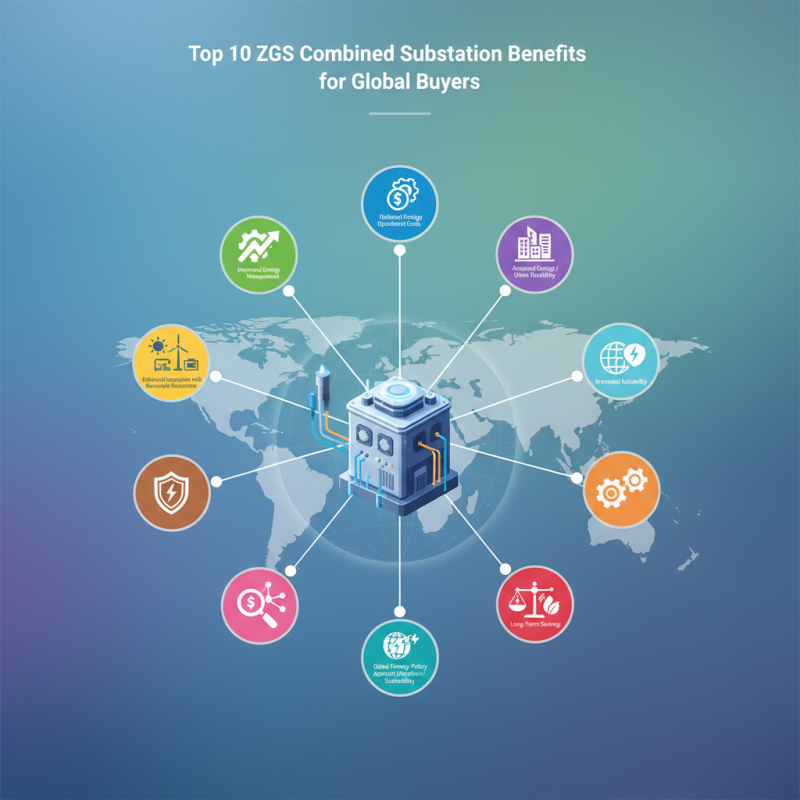
ZGS combined substations play a critical role in modern electrical infrastructure. They integrate transformers, switchgear, and control systems into one unit. This consolidation streamlines energy distribution and enhances efficiency. Global buyers benefit significantly from these systems. They provide a compact solution for space-constrained areas.
Investing in ZGS combined substations can yield substantial long-term savings. However, the initial costs can be daunting. Buyers should consider the operational cost reductions that follow. Improved energy efficiency translates to lower utility bills over time.
Tips: Evaluate your specific needs before purchasing. Assess the space available and the expected load requirements. Consulting with a professional can provide insights into optimal configurations. A poorly designed system can lead to inefficiencies and increased costs. Make sure your supplier has a proven track record in the field. Reliability and quality are paramount for long-lasting performance.
ZGS combined substations are gaining traction among global buyers for several key benefits. One of the most notable advantages is the integrated design, which optimizes space and reduces the footprint required for electrical infrastructure. A study by the International Energy Agency (IEA) highlighted that space-efficient designs can save up to 30% on land costs, making these substations an attractive option for urban environments.
The modular nature of ZGS substations enhances flexibility. Buyers can scale their infrastructure as needed, aligning with current and future energy demands. According to recent industry analyses, 72% of utility companies prefer solutions that are adaptable to rapid market changes. This flexibility can be critical in a world where energy needs are constantly evolving.
Tip: Consider your project's specific space and flexibility requirements.
Another compelling benefit is improved maintenance efficiency. ZGS substations are designed for easier access and quicker repairs. Reports indicate that streamlined maintenance can decrease downtime by 15%. However, not every design approach leads to efficiency; some buyers may initially overlook critical aspects in their planning stages, which can detract from operational excellence.
Always prioritize selecting substations that align with your operational goals.
The energy sector’s shift towards sustainability also plays a role. Studies show that integrated substations can enhance grid reliability and contribute to cleaner energy distribution, making them vital for meeting global sustainability targets. Achieving long-term efficiency must be balanced with initial design choices.
Cost efficiency is a critical factor for global buyers of electrical solutions. ZGS combined substations offer significant operational savings that are hard to ignore. These systems streamline various functions, reducing the need for additional infrastructure. This results in lower installation costs. When fewer components are needed, buyers see a direct impact on their budgets.
Moreover, these substations are designed for minimal maintenance. Regular upkeep often incurs high costs in traditional setups. With ZGS technology, the reduced maintenance requirements can lead to further savings over time. Buyers can allocate funds to other essential areas in their operations. However, it’s vital to weigh these long-term savings against initial investments. Sometimes, the higher upfront cost may deter potential buyers.
Integrating ZGS combined substations also enhances energy efficiency. Improved energy management leads to noticeable reductions in operational expenses. Still, it’s crucial for buyers to consider local regulations and compatibility with existing systems. Every region has unique challenges. Reflecting on these factors can help buyers make well-informed decisions.
ZGS combined substations offer significant environmental benefits. These systems efficiently integrate various energy sources, reducing carbon footprints. By utilizing advanced technologies, they minimize land use, impacting natural habitats less than traditional setups.
Incorporating sustainable materials makes these substations more eco-friendly. The reduced emissions during construction are noteworthy. Moreover, their potential for renewable energy integration fosters a cleaner energy landscape. This shift can lead to improvements in air quality and reductions in greenhouse gases.
Tips: Always consider energy efficiency ratings when evaluating substations. Look for designs that optimize resource usage. Engaging with local communities also promotes environmental awareness and responsibility. Given the benefits, it's essential to reflect on the long-term impacts of such projects on surrounding ecosystems. Balancing development with sustainability is a challenge that requires ongoing evaluation.
The future of ZGS combined substation technology is shaped by ongoing innovations. Current studies indicate that global investments in smart grids are projected to exceed $50 billion by 2025. This surge highlights the incorporation of digital technology into substations for enhanced efficiency. Real-time data analytics and automated operations are now becoming standard. Such advancements improve energy reliability and reduce outage times.
Research also shows that integrating renewable energy sources into combined substations is crucial. A report from the International Energy Agency suggests that renewable energy could account for 80% of global electricity by 2040. This creates new challenges for substations. They must adapt to fluctuating energy supplies while maintaining grid stability. Advanced energy management systems will play a pivotal role in this shift.
However, reliance on cutting-edge technology brings risks. Cybersecurity threats are growing, requiring substations to prioritize robust security measures. Balancing innovation and safety is not straightforward. Stakeholders must continuously evaluate their systems, seeking the right blend of efficiency and protection. As the industry evolves, these challenges will forge stronger, more resilient substations.
| Benefit | Description | Impact on Buyers | Future Trends |
|---|---|---|---|
| Cost Efficiency | Reduction in initial investment and operational costs. | Higher returns on investment for buyers. | Increased competition leading to better pricing models. |
| Space Optimization | Compact design reduces the physical footprint. | Facilitates installation in space-constrained environments. | Advancements in modular designs. |
| Increased Reliability | Improved performance and reduced downtime. | Enhanced service continuity for users. | Integration of smart technologies for predictive maintenance. |
| Scalability | Easily expandable based on growing energy demands. | Future-proof investment for buyers. | Enhanced modular configurations. |
| Sustainability | Utilization of eco-friendly materials and practices. | Aligns with corporate sustainability goals. | Increasing focus on renewable energy integration. |
| Operational Flexibility | Adaptable systems tailored to specific energy solutions. | Customization options enhance operational efficacy. | Emergence of customizable smart grid solutions. |
| Enhanced Safety | Integrated safety features reduce risks. | Lower liability and risk for buyers. | Development of advanced safety protocols. |
| Digital Integration | Seamless integration with digital assets. | Improves operational decision-making. | Rise of IoT and AI applications in energy management. |
| Improved Maintenance | Utilization of intelligent monitoring systems. | Reduces maintenance costs and disruptions. | Proliferation of predictive maintenance technologies. |
| Enhanced Customer Experience | Shorter response times and better service quality. | Improves customer loyalty and satisfaction. | Integration of customer feedback systems. |