Sorry, your browser is not supported. For a better experience, keep your browser up to date. Check here for latest versions
Choosing the right Hotel Soaps And Shampoos can shape a guest’s entire bathroom experience. A pleasant scent, creamy lather, and clean packaging often communicate care before staff interaction begins. Yet appearance alone cannot define quality. Hotels must consider skin sensitivity, hair types, ingredient safety, supplier reliability, and daily operating costs.
Common options include bar soaps, liquid hand washes, body washes, shampoo, conditioner, and two-in-one formulas. Bar soaps may reduce plastic waste and suit classic hotel settings. Pump dispensers can improve hygiene and simplify housekeeping routines. Wall-mounted systems also reduce spills, although some guests may dislike sharing a dispenser. Travel-size bottles feel familiar, but they create more packaging waste. Small details matter.
Guest expectations vary widely. A business hotel may prefer efficient, unisex formulas with subtle scents. A luxury property may select botanical ingredients, richer textures, and individually presented products. Eco-conscious hotels often choose refillable containers, recycled packaging, or certified ingredients. These claims should be verified carefully. Green language is not proof.
Reliable selection requires practical testing. Managers can review product samples, dispenser performance, fragrance strength, and guest feedback. Housekeepers should assess how easily residue rinses from sinks and showers. Dermatological testing and transparent ingredient lists add credibility. Still, no product suits everyone. I sometimes value fragrance too highly, while sensitive guests may prefer nearly scent-free formulas. The best guide is balanced evidence, not marketing enthusiasm. This article examines the top types of Hotel Soaps And Shampoos and the situations where each option performs best.
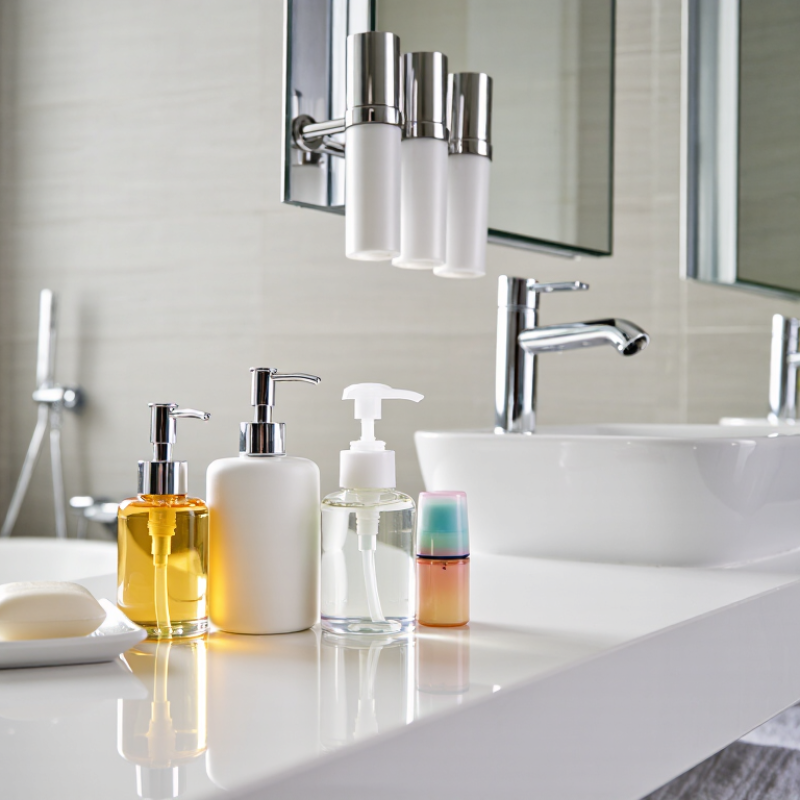
Hotel soap and shampoo categories explained begins with format. Bar soap remains common because it is compact, familiar, and easy to portion. Liquid body wash offers a softer bathroom experience, especially with wall-mounted dispensers. Shampoo usually appears alone, while conditioner or a two-in-one formula serves properties seeking fewer containers. Some rooms also provide facial cleanser, hand wash, and body lotion.
Packaging changes the category further. Individual sachets create a clear sense of hygiene, but they increase packaging waste. Refillable dispensers reduce replacement work and material use.
That figure gives hotels a practical reason to review amenity formats, not merely follow fashion. Still, sustainability claims need evidence. A dispenser is not automatically better if cleaning and refilling procedures are weak.
From an operations perspective, selection should match guest profiles, room standards, and water conditions. Mild, pH-balanced formulas can support frequent use, while fragrance-free options may suit sensitive guests. Housekeeping teams also need clear dosage controls and reliable supply records. The category map is useful, but not perfect. Guests judge texture, scent, and dispenser function within seconds. A premium-looking bottle cannot repair a clogged pump or watery shampoo. The best program combines guest feedback, ingredient documentation, staff experience, and periodic performance checks.
Sometimes, less choice works better.
Hotel bath products come in several practical forms. Wrapped bar soap remains common because it is simple to store and easy for guests to recognize. Typical bars weigh between 15 and 30 grams. They often suit short stays and create less packaging waste than tiny liquid bottles. However, a small bar can feel insufficient after several uses.
Liquid Products Liquid products usually appear in single-use bottles, tubes, sachets, or wall-mounted dispensers. Shampoo, conditioner, body wash, and hand wash are the most familiar choices. Bottles often hold 15 to 30 milliliters, while larger containers may hold 40 to 50 milliliters. Sachets take little space, but they can be awkward to open with wet hands. Pump dispensers offer better control and reduce frequent replacement. Their design must still be checked carefully. A blocked pump quickly damages the guest experience.
Size should match the hotel’s service level and cleaning routine. A compact guesthouse may choose 20-milliliter tubes for flexible room placement. A busy property may prefer refillable dispensers with secure, tamper-resistant fittings. Clear labels help guests distinguish shampoo from shower gel, especially in humid bathrooms. I have noticed that attractive packaging can hide poor usability. It may look refined but leak inside a toiletry bag. Staff feedback, guest comments, and regular checks provide stronger evidence than appearance alone. Even common bar soap deserves testing for scent, softness, and how quickly it dissolves.
Hotel soaps and shampoos usually come in several practical forms. Bar soaps are compact, economical, and easy to store. Liquid body wash feels more hygienic to many guests. Shampoo may be paired with conditioner or offered as a two-in-one formula. Each format depends on room design, guest expectations, and housekeeping routines.
The key ingredients shape the guest experience. Mild surfactants remove oil without leaving the skin tight. Glycerin attracts moisture and can reduce a dry, rough feeling. Aloe vera and panthenol may provide a calmer after-shower sensation. In shampoo, conditioning agents help hair feel smoother after rinsing. Citric acid can adjust the formula’s pH, while approved preservatives help protect water-based products from contamination. Fragrance is common, but a light scent often suits more guests than a strong one.
Quality checks should examine the label, texture, scent, and dispenser performance. I have found that a pleasant formula can still disappoint when the pump clogs or the soap melts quickly. Small details matter. Hotel teams should review allergen information and avoid making medical promises. Sensitive skin may react to fragrance, essential oils, or certain preservatives. Clear ingredient records support purchasing decisions and guest communication. A reliable toiletry program also considers refill hygiene, packaging waste, and storage temperature. Not every “natural” ingredient is automatically gentler, and that assumption deserves careful review.
| Toiletry Type | Typical Product Format | Key Ingredients Commonly Used | Primary Guest Benefit | Typical Hotel Application | Formulation Considerations |
|---|---|---|---|---|---|
| Moisturizing Body Soap | Solid bar or liquid body wash | Glycerin, plant-based oils, fatty-acid cleansers, aloe vera | Removes dirt while helping reduce the dry or tight feeling that can follow cleansing. | Guest bathrooms, standard rooms, and extended-stay accommodations | A moderate-cleansing formula is generally suitable for frequent use and a wide range of skin types. |
| Mild Facial Soap | Small syndet bar or gentle liquid cleanser | Mild surfactants, glycerin, panthenol, allantoin | Provides a gentler cleanse for the face than many traditional high-alkaline soaps. | Premium rooms, suites, and properties emphasizing sensitive-skin comfort | Low-fragrance or fragrance-free options can help reduce irritation concerns for facial use. |
| Exfoliating Soap | Textured solid bar or exfoliating body wash | Jojoba esters, cellulose particles, lactic acid, or salicylic acid | Helps remove surface buildup and leaves the skin feeling smoother. | Spa hotels, resorts, wellness rooms, and fitness facilities | Exfoliating products should be clearly identified because frequent use may not suit sensitive or dry skin. |
| Clarifying Shampoo | Liquid shampoo | Anionic surfactants, chelating agents such as disodium EDTA, citrus extracts | Removes excess oil, styling residue, and mineral buildup from the hair and scalp. | High-turnover guest rooms and destinations where guests may use styling products or hard water | Frequent use can feel drying, so balanced conditioning ingredients are often included. |
| Moisturizing Shampoo | Liquid shampoo or shampoo-and-conditioner system | Glycerin, betaine, panthenol, conditioning polymers, plant oils | Gently cleanses while helping hair retain softness and manageability. | Business hotels, resorts, family hotels, and longer-stay properties | A balanced formula can accommodate guests with dry, treated, or naturally textured hair. |
| Volumizing Shampoo | Lightweight liquid shampoo | Mild surfactants, hydrolyzed proteins, panthenol, lightweight polymers | Helps hair feel lighter and appear fuller without heavy oil deposition. | Upscale rooms, conference hotels, and properties serving business travelers | Heavy silicones and rich oils are usually limited to avoid weighing down fine hair. |
| 2-in-1 Shampoo and Conditioner | Combined cleansing and conditioning liquid | Surfactants, cationic conditioning agents, silicones, panthenol | Combines basic hair cleansing and conditioning in one convenient product. | Economy hotels, hostels, gyms, and compact bathroom amenities | The simplified format reduces dispenser space and replenishment requirements but may offer less customization. |
| Color-Safe Shampoo | Low-harshness liquid shampoo | Mild surfactants, conditioning agents, UV absorbers, antioxidants | Provides gentler cleansing intended to help preserve the appearance of treated hair. | Luxury hotels, resorts, salons, and wellness-focused accommodations | Formulas commonly avoid especially harsh cleansing systems and excessive heat-related styling residue. |
| Sensitive-Skin Body Wash | Fragrance-free or low-fragrance liquid wash | Mild surfactants, glycerin, colloidal oatmeal, ceramides, aloe vera | Supports gentle cleansing for guests who prefer minimal fragrance or have easily irritated skin. | Accessible rooms, family accommodations, medical-adjacent lodging, and premium guest rooms | Clear ingredient labeling and dermatological testing information can improve guest confidence. |
| Conditioner | Rinse-off liquid conditioner | Cationic conditioning agents, fatty alcohols, panthenol, plant oils | Improves slip, softness, and combability after shampooing. | Upscale hotels, resorts, suites, and properties with separate shower dispensers | Packaging should distinguish conditioner from shampoo through clear labeling and contrasting design. |
Hotel properties rarely choose soap and shampoo by scent alone. They compare guest expectations, room category, operating costs, and housekeeping routines. A city hotel may provide liquid body wash, hand soap, shampoo, and conditioner in wall-mounted dispensers. A small luxury property may still select individually wrapped bars for a more personal arrival experience. Economy hotels often prefer 2-in-1 shampoo because it reduces storage, labor, and replacement time.
Sustainability now affects these decisions. The American Hotel & Lodging Association’s 2024 industry report found that 68% of business travelers and 78% of leisure travelers consider sustainability important. Refillable dispensers can reduce packaging waste, but installation quality matters. A loose pump or blocked nozzle quickly damages guest trust. That detail is easy to underestimate.
Properties also consider skin sensitivity, water hardness, and local climate. Fragrance-free or hypoallergenic formulas may suit wellness-focused rooms and longer stays. Conditioner becomes more important where guests expect a full-service experience. According to the U.S. Environmental Protection Agency’s WaterSense guidance, efficient water use can lower utility demand, although soap selection alone cannot solve water waste.
Housekeepers usually test foam, rinsing speed, residue, and dispenser reliability before approval. I would not treat a pleasant scent as proof of quality. Some formulas smell impressive but perform poorly under hard water. Guest reviews, trial rooms, and supplier documentation should shape the final decision.
Hotel soap and shampoo now communicate more than cleanliness. They signal a property’s environmental standards and guest experience. Popular options include solid soap bars, shampoo bars, refillable liquid dispensers, and small individual bottles. Solid formats reduce packaging, while dispensers create a cleaner, more consistent bathroom appearance. Premium choices may include plant-based ingredients, gentle fragrances, certified sourcing, and richer textures. Premium does not always mean sustainable.
The 2024 Booking.com Sustainable Travel Report found that 75% of travelers wanted to travel more sustainably. UNEP reports that global plastic production exceeds 430 million tonnes annually, with many products designed for short-term use. These figures place pressure on hotels to reconsider miniature amenities.
Still, refill systems can clog, leak, or feel less luxurious when poorly maintained. No option is perfect. Guest trust depends on visible hygiene, reliable refills, and honest environmental claims. Housekeeping feedback should guide the final selection, not packaging trends alone.
Choose concentrated formulas and durable dispensers. Offer solid bars where humidity is controlled. Test fragrance strength before installation. Track product usage, packaging waste, guest comments, and maintenance time. A premium amenity should feel pleasant in the hand, rinse cleanly, and create less waste after checkout. Small details matter.