The guide, Top Soccer Jerseys Suppliers for Global Buyers, explores how professional buyers can identify dependable manufacturing partners. The right supplier offers more than attractive designs and competitive prices. They should provide consistent sizing, durable fabrics, clear communication, and dependable production schedules. A jersey may look excellent in a product photograph, yet feel uncomfortable after ninety minutes. Practical evaluation matters.
Experienced buyers often request samples before approving large orders. They inspect stitching around the shoulders, print adhesion, fabric breathability, and color consistency under bright light. A reliable supplier should explain material options, minimum order quantities, packaging methods, and delivery timelines. They should also provide transparent business information and follow applicable labor, safety, environmental, and intellectual property requirements. These details build trust.
This overview compares supplier capabilities for clubs, retailers, academies, distributors, and online brands. It considers customization services, production capacity, quality control, communication, and after-sales support. Strong suppliers usually document inspections and respond clearly when problems arise. That response reveals a company’s character. No supplier is perfect, and buyers should remain thoughtful about bold claims, unusually low prices, or unclear factory details. A delayed sample can expose weak planning before it affects hundreds of customers. Careful questions reduce that risk.
The best Soccer Jerseys suppliers combine technical skill with accountable business practices. They understand team identity, player comfort, commercial deadlines, and regional market expectations. Global purchasing is not only about finding the lowest quote. It is about building a relationship that remains reliable when specifications change, demand rises, or a shipment needs correction.
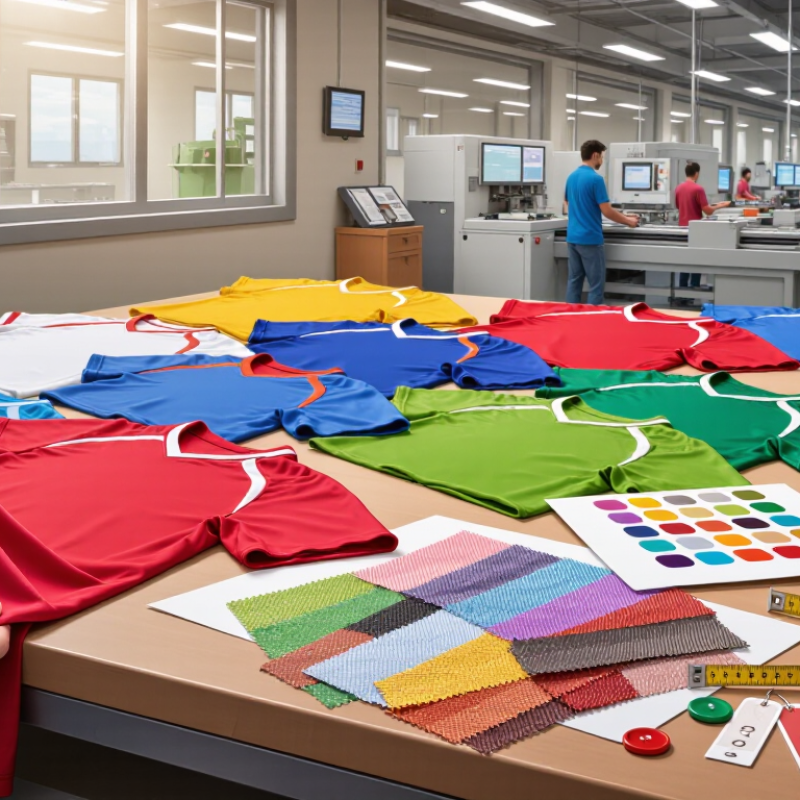
Top Soccer Jerseys Suppliers for Global Buyers
Soccer jersey suppliers usually fall into several practical categories. Direct manufacturers produce large orders with consistent fabrics, stitching, and sizing. They often offer lower unit prices, but minimum order quantities can be demanding. A factory sample helps buyers check collar shape, seam strength, color accuracy, and fabric breathability before committing.
Wholesale suppliers serve retailers needing mixed sizes and faster dispatch. Their catalogs may include training shirts, match jerseys, shorts, and socks. Inventory is usually ready for shipment, which reduces production delays. However, available designs can change quickly. Buyers should request current stock photos and confirm measurements in centimeters.
Custom team suppliers focus on names, numbers, badges, and personalized layouts. They are useful for schools, clubs, and tournament organizers with specific identity requirements. A reliable supplier should provide a digital proof before printing. Trading agents can also connect global buyers with factories, but their service fees and quality controls require clear discussion. Ask about fabric weight, colorfastness testing, packaging, shipping terms, and replacement procedures.
Small details matter. A printed number that cracks after one wash creates avoidable complaints. I have found that clear size charts prevent more problems than attractive product photos. Still, no supplier is perfect. Samples may look excellent while bulk production shows minor thread or shade differences. Buyers should record agreed specifications, inspect random pieces, and leave time for corrections. This process feels slower, yet it protects budgets and customer trust.
| Supplier Type | Best Suited For | Typical Product Range | Customization Options | Common MOQ Range | Typical Sample Lead Time | Typical Bulk Production Lead Time | Key Buyer Considerations |
|---|---|---|---|---|---|---|---|
| OEM Soccer Jersey Manufacturer | Established brands, distributors, and large sports retailers | Match jerseys, training tops, shorts, socks, tracksuits, and complete team kits | Custom patterns, fabrics, labels, packaging, trims, sizing, and color specifications | Usually 300–1,000 pieces per style or color | 7–15 working days | 30–60 working days after sample approval | Suitable for repeat orders and detailed technical specifications; buyers should confirm fabric performance, quality control, and production capacity. |
| ODM Soccer Jersey Supplier | Buyers seeking ready-developed designs with limited modifications | Seasonal jersey collections, standard teamwear, fan apparel, and training clothing | Logo placement, colors, badges, numbers, names, packaging, and minor pattern adjustments | Usually 100–500 pieces per design | 5–12 working days | 20–45 working days | Offers faster development than fully custom production, but design exclusivity and modification limits should be agreed in writing. |
| Wholesale Soccer Jersey Distributor | Online retailers, resellers, sporting-goods stores, and smaller importers | Ready-made jerseys, shorts, socks, goalkeeper kits, and basic training wear | Usually limited to private labeling, packaging, or simple heat-transfer decoration | Often 10–100 pieces per stock-keeping unit | Not usually required for in-stock products | 3–15 working days for available inventory; longer for replenishment | Provides lower entry quantities and faster dispatch; buyers should check stock accuracy, size availability, and return procedures. |
| Custom Teamwear Manufacturer | Amateur clubs, schools, academies, leagues, and tournament organizers | Player jerseys, shorts, socks, warm-up suits, goalkeeper kits, and staff apparel | Team colors, player names, numbers, sponsor marks, crests, and coordinated team accessories | Commonly 10–50 sets per order, depending on the production method | 7–14 working days | 15–35 working days | Useful for small and medium team orders; buyers should confirm size-grid consistency and the policy for replacement garments. |
| Sublimation Printing Specialist | Highly customized teams and buyers needing full-color graphics | Polyester jerseys, shorts, training tops, cycling-style tops, and coordinated kits | All-over graphics, gradients, sponsor marks, names, numbers, and color-matched artwork | Often 10–30 pieces per design, with some suppliers accepting smaller runs | 5–10 working days | 15–30 working days | Sublimation is generally suited to polyester fabric and durable full-color designs; artwork approval and color tolerances should be documented. |
| Cut-and-Sew Sportswear Factory | Premium teamwear collections and buyers requiring structured garment construction | Panelled jerseys, performance tops, jackets, shorts, and multi-layer sports garments | Fabric combinations, panel construction, collars, cuffs, appliqué, embroidery, labels, and packaging | Typically 300–1,000 pieces per style | 10–20 working days | 35–70 working days | Provides extensive construction control but normally requires higher order volumes, technical packs, and longer development timelines. |
| Private-Label Soccer Apparel Supplier | New brands, e-commerce sellers, and retailers building a house collection | Jerseys, lifestyle football shirts, training apparel, shorts, socks, and accessories | Woven labels, hangtags, packaging, color selections, logos, and selected garment modifications | Commonly 50–300 pieces per style | 7–14 working days | 20–45 working days | Balances customization and order flexibility; buyers should verify labeling rules, packaging requirements, and ownership of approved artwork. |
| Local or Regional Sportswear Printer | Local clubs, schools, event teams, and urgent replacement orders | Blank jerseys with names, numbers, logos, and sponsor decoration | Heat transfer, screen printing, embroidery, vinyl, and limited garment selection | Often 1–25 pieces per order | 1–7 working days | 3–15 working days | Offers convenient communication and short delivery distances, but unit costs and fabric choices may be less competitive for large international programs. |
| Sustainable Soccer Apparel Supplier | Organizations with recycled-material or sustainability requirements | Recycled-polyester jerseys, low-impact packaging, training wear, and team kits | Custom colors, recycled-fiber fabric options, certification documentation, labels, and packaging | Usually 100–500 pieces per style | 10–20 working days | 30–60 working days | Buyers should request current material certificates, traceability records, and clear definitions of recycled content rather than relying only on marketing claims. |
| Stock-Lot and Clearance Supplier | Discount retailers, promotional campaigns, and budget-focused buyers | Overstock jerseys, discontinued teamwear, sample lots, and mixed-size apparel | Usually no design customization; relabeling and decoration may be limited | From 20 pieces to several hundred mixed units | Not usually required | 2–14 working days, subject to inventory | Can reduce purchase costs, but sizes, colors, quantities, and continuity of supply are normally unpredictable. |
