Sorry, your browser is not supported. For a better experience, keep your browser up to date. Check here for latest versions
In the ever-evolving landscape of the Protective Clothing industry, the need for high-quality, durable options has never been greater. As a leading expert in the field, Dr. Emily Carter states, “Protective clothing is not just an accessory; it’s a necessity for safety in hazardous environments.” This statement underscores the importance of proper gear for workers across diverse sectors.
The global demand for protective clothing is increasing rapidly. From medical professionals to construction workers, safety is paramount. However, the market is flooded with choices, making it challenging for buyers. Understanding the best protective clothing options is essential for ensuring safety and compliance in the workplace.
While many brands offer appealing designs, not all meet rigorous safety standards. Buyers must navigate through claims and promises. It's crucial to focus on the functionality and protection offered by each product. Ultimately, investing in quality protective clothing can mean the difference between safety and exposure to risks.
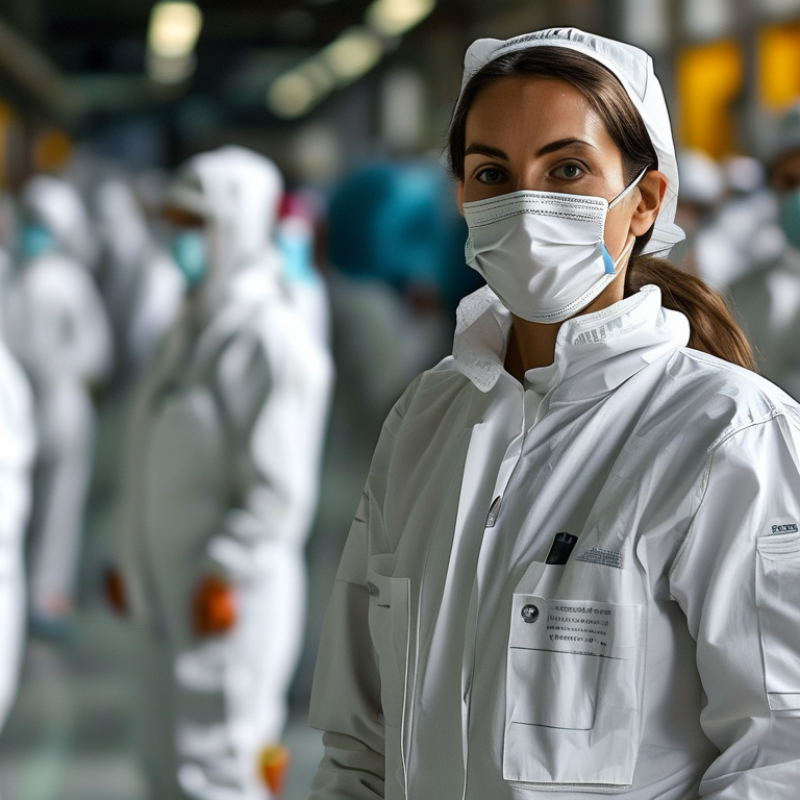
Protective clothing is vital for safety in various industries, including construction, healthcare, and manufacturing. Essential features of these garments include durability, comfort, and resistance to hazards. According to a report by Research and Markets, the global protective clothing market is projected to reach $20 billion by 2026, reflecting the growing emphasis on workplace safety.
When selecting protective clothing, buyers should consider materials with high abrasion resistance. Fabrics such as Kevlar or Nomex are often recommended for their effectiveness in protecting against cuts and heat. Breathability also plays a crucial role. A comfortable worker is a productive worker. Many products fail to strike the right balance between protection and comfort, leading to reduced efficiency.
Moreover, the garments' ability to repel chemicals is critical in sectors like healthcare. Buyers must ensure that the chosen clothing meets specific industry standards, such as those set by ANSI or ISO. However, not all protective clothing adheres to these guidelines. This can have severe implications for worker safety. Awareness of these certifications is necessary, as non-compliance could lead to costly accidents.
Protective clothing is essential across various industries today. The manufacturing sector, for example, drives up demand for safety gear. According to a report by Grand View Research, the global protective clothing market was valued at approximately $9.2 billion in 2022 and is expected to grow at a CAGR of 6.8% from 2023 to 2030. This growth reflects increased awareness of worker safety and regulatory requirements.
Healthcare workers also require specialized protective garments. In response to the COVID-19 pandemic, companies saw a surge in demand for personal protective equipment (PPE). Some industry analysts noted a 300% increase in sales for certain categories of PPE. This highlights the critical need for protective clothing to ensure safety in high-risk environments.
Tips: When selecting protective clothing, consider the specific hazards present. Always check for compliance with local regulations. Ensure proper fit and comfort, as this impacts the wearer’s ability to perform tasks efficiently. Remember, inadequate protection can lead to serious injuries. Always look for certifications to guarantee quality and reliability.
Protective clothing is essential in various industries. Understanding the material types used can help buyers make informed choices. Several materials are commonly employed, each with unique properties.
For instance, Polypropylene is popular due to its lightweight nature. It's often used in single-use garments. However, it lacks durability. On the other hand, Kevlar offers excellent abrasion resistance. It's frequently found in tactical wear, but it can be quite heavy. This weight might be uncomfortable for prolonged use.
Another significant material is Nomex. It’s flame-resistant and ideal for firefighters and industrial workers. Nonetheless, it may not offer full waterproofing. The choice of material impacts comfort, safety, and performance. Buyers must weigh these considerations carefully to ensure they select the right protective clothing for their specific needs.
| Material Type | Description | Key Features | Common Uses |
|---|---|---|---|
| Nomex | A flame-resistant material used in protective clothing. | Heat resistant, lightweight, breathable. | Firefighting, industrial applications. |
| Kevlar | Used for its high tensile strength and cut resistance. | Durable, lightweight, high cut resistance. | Body armor, cut-resistant gloves. |
| Tyvek | A lightweight and durable spunbonded olefin. | Breathable, water-resistant, tear-resistant. | Hazardous material handling, paint applications. |
| PVC | Polyvinyl chloride, used for waterproof clothing. | Waterproof, durable, flexible. | Construction, chemical handling. |
| Gore-Tex | A waterproof, breathable fabric. | Waterproof, breathable, windproof. | Outdoor, military, work environments. |
| Dyneema | Ultra-high molecular weight polyethylene for cut-resistant fabrics. | Lightweight, strong, cut-resistant. | Maritime, law enforcement. |
| Cotton Twill | A sturdy and durable fabric commonly used in workwear. | Comfortable, durable, breathability. | General workwear, uniforms. |
| Polyester | Synthetic fabric known for its durability. | Durable, wrinkle-resistant, quick-drying. | Outdoor gear, safety vests. |
| Aramid | Synthetic fiber known for its flame resistance. | Heat-resistant, durable, lightweight. | Firefighting gear, military, racing suits. |
Protective clothing plays a vital role in various industries, ensuring worker safety and compliance with global standards. According to a report by Grand View Research, the global personal protective equipment market is expected to reach $80 billion by 2027, driven by increasing workplace safety awareness and stringent regulations. This emphasizes the importance of protective gear that meets established criteria.
Global standards for protective clothing, such as ISO 13688, ensure that garments provide adequate protection against hazards. Compliance with these standards not only enhances safety but also builds trust among consumers and employers. The European Union established the CE marking to signify conformity with health, safety, and environmental protection standards. Regulations vary significantly across countries, which can lead to confusion.
Certification processes can be complicated and time-consuming. Organizations must evaluate material properties, durability, and overall performance. Nevertheless, adherence to standards like ASTM and NFPA is crucial for sustainable safety practices. As the industry evolves, the need for continuous improvement in these standards becomes more apparent. Understanding the regulatory landscape is essential for companies seeking to provide reliable protective clothing.
Cost is a crucial factor when buying protective apparel. Prices vary based on material, functionality, and design. Cheaper options may compromise safety. Likewise, high-end brands often charge more due to advanced technology or unique features. Always compare and analyze the specifics of each option.
In addition to price, consider long-term durability. Some garments may seem affordable but wear out quickly under harsh conditions. Investing in quality protective gear can save money over time. Evaluate maintenance requirements, as easier care can reduce ongoing costs. Also, don’t overlook the impact of bulk purchases. Discounts are common for larger orders, which can significantly lower the unit price.
It’s also important to understand the regulatory standards applicable to protective clothing. Compliance can affect costs, both initially and in the long run. Neglecting this could lead to potential financial repercussions. Seek manufacturers who provide clear documentation of compliance. This approach ensures safety without sacrificing budget constraints. Remember, a low price isn't always a bargain if safety is compromised.