Choosing among the top PP Woven Bag manufacturers requires more than comparing prices. Global buyers need consistent quality, clear communication, and evidence behind every promise. A reliable supplier should explain its resin grade, fabric density, bag dimensions, stitching method, and load capacity. These details become visible when bags hold cement, grain, fertilizer, minerals, or recycled materials in demanding warehouses.
Packaging specialist Dr. Susan Selke has emphasized, “Packaging is a system, not merely a container.” Her view applies directly to PP Woven Bag sourcing. A strong bag protects the product, supports efficient filling, and reduces handling problems. It must also suit transport conditions, storage temperatures, moisture exposure, and stacking pressure. Buyers should request samples, production records, test reports, and references from comparable markets. Factory visits can reveal practical details that brochures often hide.
Quality is not always perfect. Even experienced manufacturers may face print variation, uneven lamination, or delayed deliveries. That reality deserves honest discussion. A supplier that explains corrective actions may be more dependable than one offering flawless claims. Buyers should review tensile strength, seam performance, UV resistance, and packaging consistency before signing large contracts. Environmental expectations also matter, although recycled content and recyclability can vary by design and local infrastructure. The best manufacturer is not simply the cheapest option. It is the partner that documents performance, admits limitations, and improves when evidence shows a weakness. This guide examines leading PP Woven Bag manufacturers through that practical, evidence-based lens.
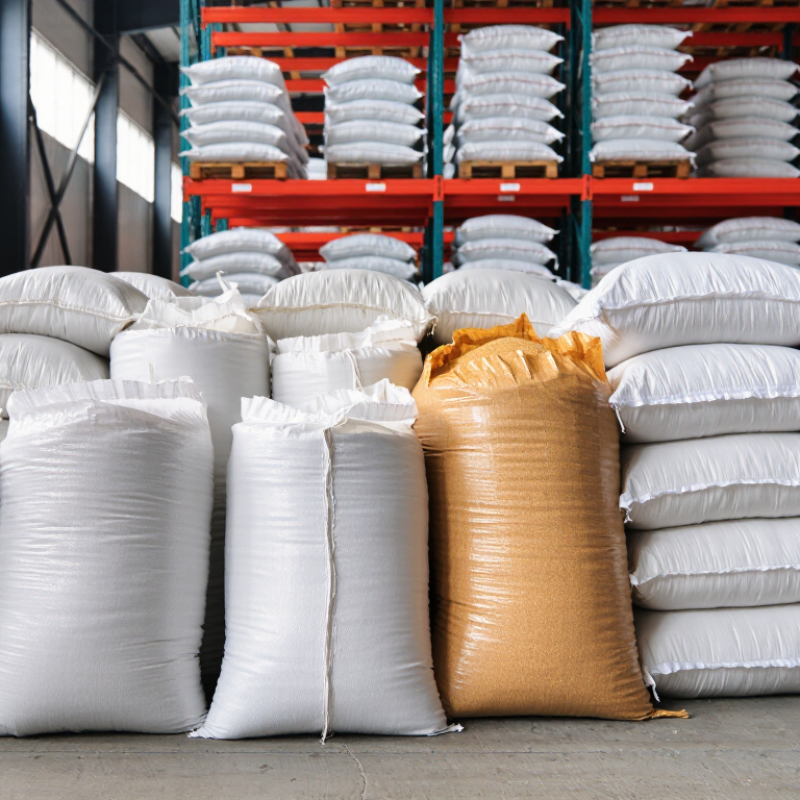
Top PP Woven Bag Manufacturers for Global Buyers
What PP Woven Bags Are and Why Global Buyers Use Them
PP woven bags are packaging containers made from woven polypropylene tapes. These tapes cross over each other on industrial looms, creating a strong and flexible fabric. Manufacturers may add a laminated surface, an inner liner, or a custom valve for specific filling needs.
Global buyers use these bags for rice, flour, animal feed, seeds, minerals, and construction materials. Their low weight can reduce handling effort and shipping costs. A 25-kilogram bag can stand upright on a warehouse pallet when properly filled and stacked. The woven structure also helps resist tearing during loading and transport.
Performance depends on more than the fabric. Buyers should check bag dimensions, fabric density, seam strength, filling method, and safe working load. Printing quality matters too, especially when labels must remain readable after exposure to dust or moisture. Experienced suppliers should provide samples, test records, and clear production tolerances.
The bags are practical, but not perfect. Uncoated fabric can allow fine powders to escape. Strong sunlight may weaken polypropylene over time. Poor stacking can damage even a well-made bag. I have found that sample testing under real warehouse conditions often reveals problems that specifications miss. Buyers should test filled bags, pallet patterns, transport vibration, and storage temperatures before approving large orders. Clear inspection procedures make international purchasing more reliable.
A practical technical comparison of common polypropylene woven bag constructions, specifications, applications, and buyer considerations.
| Bag Type | Typical Construction | Typical Capacity | Key Performance Characteristics | Common Global Applications | Main Buyer Advantages | Important Specification Checks |
|---|---|---|---|---|---|---|
| Standard PP Woven Bag | Woven polypropylene fabric with a stitched or heat-cut opening and bottom. | Usually 5–50 kg, depending on dimensions and fabric strength. | Lightweight, tear-resistant, breathable, and suitable for dry goods. | Rice, flour, grain, seeds, animal feed, salt, and other agricultural products. | Cost-efficient packaging with good stacking performance and easy handling. | Bag dimensions, fabric denier, grammage, seam strength, closure style, and filling method. |
| Laminated PP Woven Bag | PP woven fabric coated with a thin polypropylene film on one or both sides. | Commonly 10–50 kg. | Improved moisture resistance, better print clarity, and increased surface protection. | Pet food, fertilizer, flour, chemicals, minerals, and powdered products. | Helps protect contents from surface moisture and supports high-quality graphics. | Lamination thickness, coating adhesion, seal integrity, print method, and moisture requirements. |
| PP Woven Sack with Inner Liner | Woven PP outer sack combined with a separate polyethylene or polypropylene liner. | Typically 10–50 kg. | Better protection against fine particles, humidity, leakage, and contamination. | Powders, chemicals, food ingredients, pigments, and moisture-sensitive materials. | Combines woven-fabric strength with enhanced containment and product protection. | Liner material, liner thickness, fit, sealing method, food-contact requirements, and leak testing. |
| Valve-Type PP Woven Bag | Bag fitted with a valve for automated filling; the valve may be sewn, glued, or integrated. | Often 10–50 kg, subject to filling equipment and product density. | Fast, clean filling with controlled closure and reduced manual handling. | Cement, mortar, dry-mix products, minerals, chemicals, and industrial powders. | Suitable for automated packing lines and helps reduce product spillage during filling. | Valve position, filling speed, air permeability, closure behavior, bag dimensions, and pallet pattern. |
| Block-Bottom PP Woven Bag | Formed with squared or block-shaped ends to create a more stable package. | Usually 10–50 kg. | Stable standing shape, efficient pallet utilization, and improved presentation. | Pet food, animal feed, fertilizer, agricultural products, and dry food ingredients. | Supports neat stacking, warehouse organization, and efficient transport loading. | Bottom formation, dimensional tolerance, pallet stability, seam quality, and filling compatibility. |
| FIBC / Bulk Bag | Large flexible intermediate bulk container made from heavy-duty woven PP fabric with lifting loops. | Commonly 500–2,000 kg; capacity depends on design and certified load rating. | High load capacity, reusable potential, forklift or crane handling, and space-efficient storage when empty. | Minerals, chemicals, plastic pellets, grains, feed, construction materials, and waste products. | Reduces the number of small packages and can improve handling efficiency for bulk shipments. | Safe working load, safety factor, loop design, discharge type, liner, seams, and applicable handling standards. |
| Anti-Slip PP Woven Bag | Woven fabric with a textured, coated, or specially finished outer surface. | Commonly 10–50 kg. | Improved friction between bags and better resistance to sliding during transport. | Fertilizer, cement, feed, flour, grain, and palletized industrial products. | Can improve load stability and reduce the need for additional pallet restraints. | Coefficient of friction, coating durability, stacking height, pallet type, and transport conditions. |
| Ventilated PP Woven Bag | Woven fabric or bag panels designed to allow controlled air exchange. | Often 10–50 kg. | Supports airflow and can help manage heat or condensation in suitable products. | Potatoes, onions, firewood, agricultural produce, and selected breathable goods. | Improves ventilation compared with fully film-sealed packaging. | Ventilation area, product respiration, moisture conditions, UV exposure, and storage duration. |
| Printed PP Woven Bag | Woven PP bag printed by methods such as flexographic, gravure, or surface printing. | Available across many common bag capacities. | Provides product identification, handling information, traceability, and regulatory labeling space. | Retail agricultural products, food ingredients, feed, fertilizer, and industrial materials. | Supports clear communication of weight, batch details, handling instructions, and product information. | Print coverage, color requirements, barcode readability, ink suitability, artwork accuracy, and rub resistance. |
Buyer note: Actual performance depends on resin grade, fabric construction, bag dimensions, filling equipment, product density, storage conditions, and transport requirements. “Typical” capacity ranges are indicative and should be confirmed through technical drawings, samples, and load testing before mass production.
