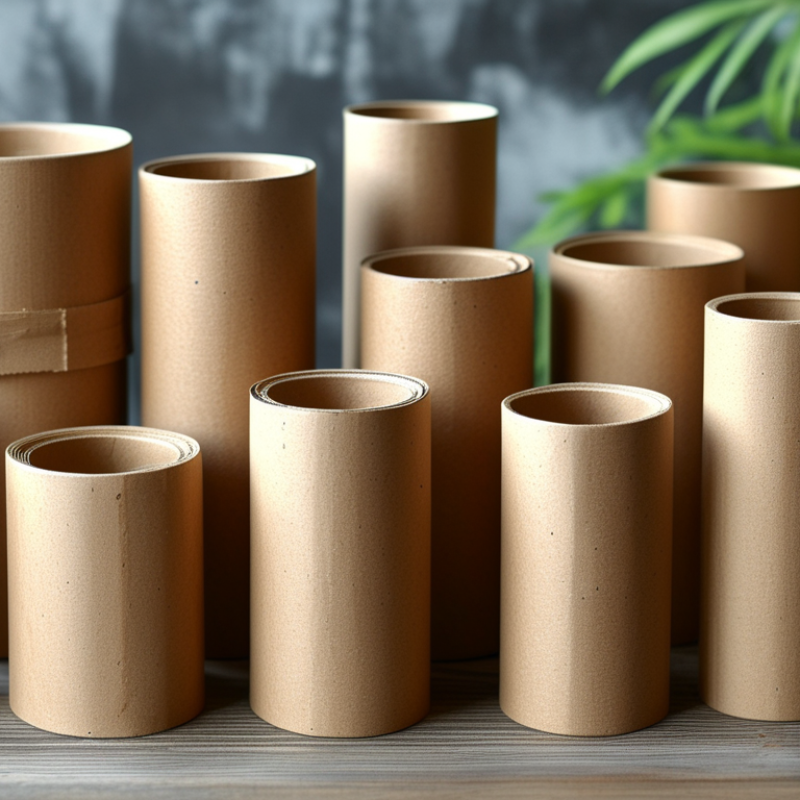
Top 10 Paper Tubes for Packaging and Crafting Needs?
When it comes to packaging and crafting, Paper Tubes offer a versatile solution. These cylindrical structures can hold a variety of items, from crafts to shipping materials. Their adaptability makes them popular in both home and professional settings.
Crafting with Paper Tubes has gained traction among DIY enthusiasts. Artists use them for unique projects, including sculptures and home decor. Packaging companies favor them for their sustainability. Made from recyclable materials, they are an eco-friendly choice.
However, not all Paper Tubes are created equal. Finding the right ones for your specific needs can be a challenge. Factors such as size, strength, and material quality matter greatly. Some options may fall short, affecting the intended use. Therefore, careful consideration is essential before making a choice.
Overview of Paper Tube Types for Packaging and Crafting
Paper tubes have become increasingly popular in both packaging and crafting. These versatile items are suited for a variety of applications, from protective packaging to artistic projects. Different types of paper tubes exist, each catering to specific needs. For instance, heavy-duty tubes are ideal for shipping large objects, while thinner tubes can serve as a base for crafts.
Industry reports indicate that the global paper tube market is expected to grow steadily, driven by sustainability trends. Approximately 50% of packaging buyers prefer eco-friendly materials, highlighting a shift towards paper-based solutions. In crafting, creative uses of paper tubes are gaining traction. They can be transformed into decorative items, organizational tools, or even children’s toys, showcasing their versatility.
Despite their advantages, challenges remain in standardization. Quality can vary significantly based on manufacturing processes and materials used. Some consumers report variations in thickness and durability, which can impact usability. This inconsistency emphasizes the need for reliable suppliers who prioritize quality control in production. By understanding paper tube types and their applications, users can better meet their packaging and crafting needs.
Key Characteristics of Quality Paper Tubes
When it comes to selecting quality paper tubes for packaging and crafting needs, several key characteristics stand out. First, the material quality is crucial. High-density paper tubes offer sturdiness and durability. Reports suggest that paper tubes made from 100% recycled paper exhibit a tensile strength 15% higher than those made from virgin paper, making them a sustainable choice.
Another important aspect is the tube's wall thickness. A thicker wall generally means better protection for the contents inside. Analytical data shows that tubes with a wall thickness of 3mm or more provide optimal resistance against crushing and bending. This is especially vital for shipping fragile items. Additionally, a smooth surface finish is essential. A well-finished tube not only enhances aesthetic appeal but also reduces the chances of damaging the contents during handling.
Moreover, the versatility in sizes and custom designs cannot be overlooked. Many consumers require tailored solutions for various applications. The flexibility in production means you can find tubes ranging from small crafts to large shipping solutions. Imbalances in production quality can sometimes lead to mismatched sizes, reflecting the need for uniformity. Such inconsistencies remind manufacturers of the importance of stringent quality control measures to ensure reliability.
Top 10 Brands and Products for Paper Tubes
When it comes to packaging and crafting, paper tubes offer versatility and convenience. Many brands specialize in high-quality paper tubes. These tubes come in various sizes and styles, catering to diverse needs. One can find options designed for shipping, crafting, and even artistic projects. The variety available can be both exciting and overwhelming.
Sustainable practices are an essential consideration. Many manufacturers focus on eco-friendly materials. Choosing brands that prioritize sustainability ensures that your projects are better for the environment. However, the constant influx of new products makes it challenging to identify which options truly deliver on quality. Customer reviews often highlight inconsistent experiences across different batches.
While most brands offer a reasonable level of durability, some paper tubes may not withstand heavy weight. Crafting enthusiasts sometimes find that thinner tubes can bend easily. Thoughtful selection based on project needs is crucial. Consider how the tubes will be used. Taking time to research and compare can make a significant difference in achieving desired results.
Applications of Paper Tubes in Various Industries
Paper tubes have gained significant traction across various industries. Their versatility supports a wide array of applications. In packaging, they protect delicate items like glass and electronics. They serve as a lightweight yet sturdy alternative to traditional materials.
In crafting, paper tubes inspire creativity. Artists and DIY enthusiasts use them for projects. They can be transformed into innovative home decor or fun children's toys. However, the quality of these tubes can vary. Sometimes they may not hold up under pressure. Testing and feedback can improve their reliability.
Moreover, industries like textiles and food packaging utilize paper tubes extensively. They aid in organizing fabric rolls or storing food products. These applications show the importance of paper tubes in promoting sustainability. However, there is room for improvement in eco-friendliness and durability. As the market evolves, the focus should remain on enhancing the quality and performance of these essential materials.
Sustainability and Environmental Impact of Paper Tubes
The increasing popularity of paper tubes in packaging reflects a shift toward sustainable materials. Paper tubes are crafted from recycled paper, which significantly reduces waste. Unlike plastic, they are biodegradable and can return to the earth without harming the environment. Their lightweight nature also means lower carbon emissions during transportation.
Despite these benefits, not all paper tubes are created equal. Some manufacturing processes may still rely on harmful chemicals. It's essential to consider the source of materials and production methods when choosing paper tubes. Consumers need to stay informed to ensure their decisions contribute positively to sustainability goals.
The recycling of paper tubes is another area worth exploring. Although they are recyclable, many consumers fail to recycle them properly. This gap indicates a need for better education on recycling practices. Increasing awareness can lead to higher recycling rates, which benefits the environment. The journey toward sustainability is ongoing, and every choice counts.