Sorry, your browser is not supported. For a better experience, keep your browser up to date. Check here for latest versions
Global buyers are looking beyond familiar commodities and discovering the character of palestinian products. Olive oil often leads the conversation, with its peppery finish, grassy aroma, and deep connection to village farming. Dates, za’atar, almonds, freekeh, honey, soap, embroidery, and hand-carved olive wood also attract international interest. Each product carries a different commercial story. Quality must carry the greater weight.
Nasser Abu Farha, founder of the Palestinian Fair Trade Association, has expressed a useful principle: “We are not selling charity; we are selling quality.” That message matters to serious buyers. They need consistent grades, transparent sourcing, accurate labeling, export documentation, and packaging suitable for distant markets. Palestinian products should be judged through the same practical standards as other global goods. Fair trade certification can strengthen trust, but it does not replace testing or dependable delivery.
This guide examines which products offer the strongest opportunities for importers, retailers, and specialty food distributors. It considers taste, craftsmanship, shelf life, consumer demand, and responsible purchasing. Olive oil may appear to be the obvious choice. It is not always the easiest one. Harvest volumes, transport conditions, and certification access can change from season to season. Smaller producers may also struggle with uniform packaging. That weakness deserves attention, not concealment. Buyers who ask precise questions can support better trade relationships. They can also avoid romantic assumptions and evaluate Palestinian products with professional care.
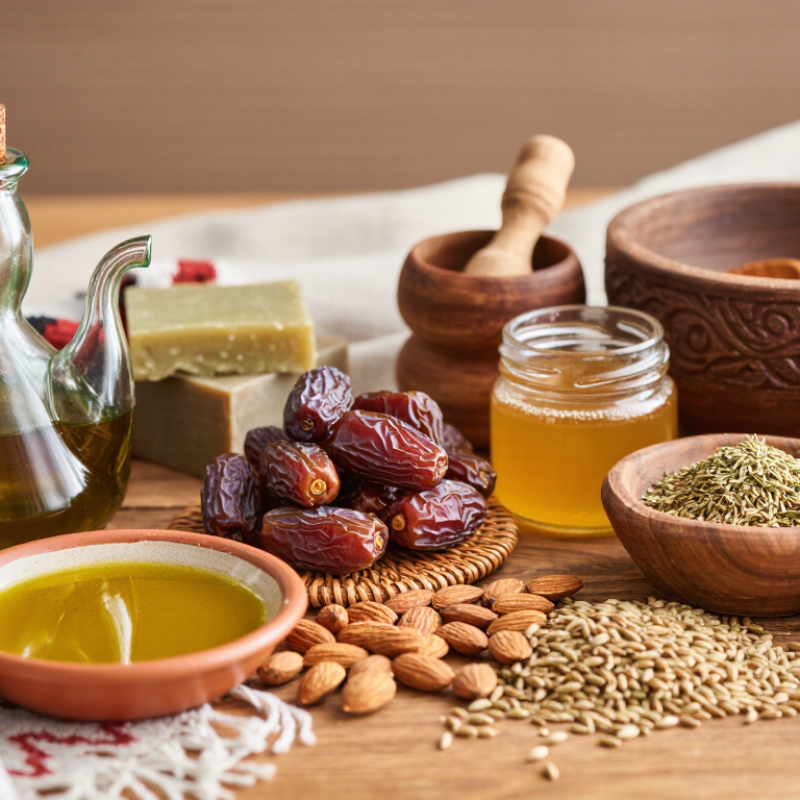
Palestinian products cover several strong categories in global trade. Olive oil remains a leading choice, especially when buyers seek cold-pressed oils with clear harvest details. Dates, herbs, pickles, and traditional pantry foods also attract specialty retailers. Their appeal often comes from distinct flavors and practical shelf life. Natural soap, embroidery, ceramics, and hand-carved olive wood represent important craft categories. Each item carries visible human skill. However, quality can differ between suppliers, even within the same product category. Buyers should examine testing records, packaging standards, and production consistency before ordering.
Tips: Request samples before signing contracts. Check ingredient lists and allergen information. Confirm export documents, labeling rules, and shipping conditions for your destination. For olive oil, review acidity data and harvest dates. For handmade goods, discuss dimensions and acceptable variations. Small differences may be part of the craft, not a defect.
Stone products and home décor can serve construction and interior markets, but they require careful logistics planning. Weight, breakage risks, and customs classification affect the final cost. Textile products need equal attention to fiber content, stitching, colorfastness, and ethical production records. I would not judge a supplier from photographs alone. Images can hide uneven finishes or weak packaging. Reliable trade decisions depend on samples, written specifications, transparent communication, and verified documentation. Some buyers focus too heavily on cultural appeal. That is understandable, but commercial performance still matters.
Traditional Palestinian foods and agricultural exports offer distinctive flavors, careful cultivation, and strong cultural value. Olive oil remains a major export, especially from small farms using traditional harvesting methods. Its flavor can range from grassy and peppery to mild and fruity, depending on the region and harvest date.
Fresh dates, table olives, almonds, herbs, and seasonal vegetables also attract international buyers. Medjool dates are valued for their soft texture and caramel-like sweetness. Dried herbs, including za’atar blends, require clear ingredient labeling and moisture control. Fresh produce needs reliable cooling, clean packaging, and fast transport. Quality can change quickly.
Buyers should request laboratory reports, origin documents, harvest information, and pesticide testing records. Food safety systems matter as much as taste. Suppliers should also explain storage conditions, packaging materials, and expected shelf life. Organic claims need recognized certification, not informal promises. Small producers may offer excellent goods, but their documentation can be inconsistent.
This is a real weakness.
Seasonality affects supply volumes and pricing. Olive harvests may vary because of rainfall, heat, and local growing conditions. A careful importer should inspect samples before placing large orders. Traceability protects both sides. It also helps buyers understand how farm practices affect flavor, freshness, and long-term reliability. Mistakes happen, so clear communication and written specifications remain essential.
Palestinian embroidery, ceramics, and olive wood carry strong cultural meaning. Their value extends beyond decoration. Each piece reflects local skills, family knowledge, and patient handwork. Traditional embroidery often uses geometric patterns and careful stitching. Colors and motifs may vary between villages and regions. Buyers should ask about the pattern’s background and the maker’s process.
Palestinian ceramics can show small differences in glaze, shape, and firing marks. These details often reveal handmade production, not poor quality. Before ordering, check measurements, materials, food-safety information, and protective packaging. I have found that clear product photographs are helpful, but they cannot show every surface detail. Buyers may receive a piece with slight color variation. That is part of the craft, though expectations should remain realistic.
Olive wood products offer another tactile connection to the land. Carved bowls, utensils, and small decorative objects may display natural grain, knots, or uneven edges. Responsible sellers should explain the wood’s origin and finishing treatment. Global buyers should also review import rules, restricted-material policies, and care instructions. Dry air can cause wood to crack, while harsh detergents may damage its finish. Fair purchasing matters too. Transparent pricing, respectful artisan compensation, and accurate cultural descriptions build trust. Some product stories may sound romanticized, and buyers should question vague claims. Handmade does not automatically mean ethical.
What Are the Top Palestinian Products for Global Buyers?
Natural products remain a strong entry point for Palestinian goods, especially olive oil, dates, and herbal items. The International Olive Council estimated global olive oil production at about 2.56 million tonnes in 2023/24. This scale makes quality differentiation essential. Palestinian extra virgin olive oil can appeal through its peppery finish, fresh grass aroma, and harvest-specific character. Buyers should request acidity results, peroxide values, harvest dates, and sensory evaluations. A dark glass bottle also helps protect the oil from light.
Dates offer another practical opportunity. FAOSTAT reported global date production at roughly 9.7 million tonnes in 2022. Palestinian Medjool dates are valued for their soft texture, caramel-like sweetness, and large size. However, texture changes during storage. Temperature control matters. Herbal products, including sage, thyme, za’atar blends, and chamomile, need careful botanical identification. The World Health Organization stresses quality control for medicinal plant materials, including correct species, contamination checks, and traceable handling. Not every traditional claim meets modern evidence standards. That distinction deserves honesty.
Tips: Ask suppliers for batch numbers, pesticide testing, moisture results, and country-of-origin documents. Check whether packaging meets the destination market’s food rules. Photograph cartons, seals, and product texture during inspections. Small details prevent expensive misunderstandings. Buyers should also compare samples from different harvests, because Palestinian rainfall and seasonal conditions can affect flavor, size, and availability. The supply chain is not perfectly predictable. That is precisely why transparent records matter.
| Product category | Common product types | Typical characteristics | Season and availability | Common commercial formats | Buyer considerations |
|---|---|---|---|---|---|
| Olive oil | Extra virgin and other grades of olive oil | Made from olives grown in the region; flavor and aroma vary by cultivar, harvest timing, and processing. Extra-virgin status should be supported by applicable chemical and sensory testing. | Olive harvesting and pressing generally take place in autumn, with timing varying by location and growing conditions. | Bottles, tins, and food-service containers; bulk supply may also be available. | Check grade, harvest or best-before information, origin documentation, packaging integrity, and laboratory results where required. Confirm import, labeling, and food-safety rules in the destination market. |
| Dates | Medjool dates and other date varieties | Medjool dates are typically large, soft, and sweet. Texture and size depend on variety, maturity, handling, and storage. | Harvest commonly falls in late summer or autumn, depending on the growing area and season. Jericho and the Jordan Valley are known date-growing areas. | Whole dates, pitted dates, retail packs, and bulk cartons; fresh and dried product specifications can differ. | Agree on variety, grade, size range, moisture or texture specification, pit status, crop year, and storage conditions. Check applicable residue, food-safety, and plant-health requirements. |
| Za’atar and herb blends | Za’atar-style dried herb blends, sometimes mixed with sumac, sesame, or salt | Recipes differ by producer and region. The word “za’atar” may refer to an herb or to a prepared seasoning blend, so ingredient details matter. | Dried herbs and blends can generally be supplied year-round, subject to harvest, drying, and stock availability. | Whole or crushed dried herbs; blended seasoning in sealed retail packs or bulk food-service packs. | Request the full ingredient list, allergen declaration for sesame where applicable, country-of-origin details, and specifications for moisture, foreign matter, and microbial safety. |
| Sage and other culinary herbs | Dried sage and other locally gathered or cultivated culinary herbs | Sold as leaves, crushed herbs, or cut-and-sifted material. Aroma, color, and leaf size depend on species, drying method, and storage. | Harvest timing varies by herb and growing conditions; properly dried products may be available throughout the year. | Loose dried leaves, tea or infusion cuts, and sealed retail or bulk packs. | Confirm the botanical name, plant part, intended food use, drying and storage conditions, and testing for contaminants or residues required by the destination market. |
| Herbal infusions | Dried sage and other single-herb or mixed-herb infusion products | Usually prepared by steeping dried plant material in hot water. Composition and flavor vary according to the herbs used and their proportions. | Availability depends on the herbs included and the season in which they are collected or cultivated. | Loose-leaf packs, tea bags, or bulk dried material for repacking. | Check species identification, ingredient and allergen labeling, intended-use claims, shelf life, and applicable rules for herbal products in the target country. |
Note: Product characteristics and seasonal timing vary by crop, location, and supplier. Buyers should verify specifications, origin, documentation, and import requirements for each shipment.
Global buyers often look to Palestine for olive oil, dates, stone, marble, embroidery, and other agricultural or craft products. Yet product appeal is only one sourcing factor. The International Trade Centre’s Trade Map recommends checking HS-code data, market demand, tariffs, and supplier concentration before negotiating. This matters because export visibility can differ sharply between product categories.
Quality evidence comes next. For olive oil and dates, buyers should request harvest dates, laboratory analysis, pesticide records, lot numbers, and storage details. FAOSTAT production data shows that olive output can vary with rainfall and seasonal conditions. Do not assume every harvest will match the previous one. Ask for samples from the current lot.
Supply reliability is harder to judge. UNCTAD reports on the Palestinian economy describe transport restrictions, border delays, and higher trade uncertainty. Buyers should therefore examine lead times, packaging strength, customs documents, insurance, and backup routes. PCBS foreign-trade statistics can help compare export trends by commodity and destination. Stone suppliers also need to provide thickness tolerances, surface specifications, origin documents, and breakage controls.
Small details matter.
A polished catalogue proves little. Video inspections, independent testing, and staged payments can reduce avoidable risk. However, excessive paperwork may burden smaller producers with limited administrative capacity. Buyers should test a modest shipment first, record every delay, and revise their supplier scorecard. That approach is less impressive than a large opening order, but usually more reliable.