Sorry, your browser is not supported. For a better experience, keep your browser up to date. Check here for latest versions
China has become a significant sourcing base for Potting Sheds, serving retailers, landscapers, garden centers, and property developers worldwide. Its manufacturers offer varied designs, from compact timber shelters to spacious aluminum structures with glass panels. Buyers can often request custom dimensions, wall finishes, roofing materials, windows, shelving, and ventilation systems.
This guide introduces ten Chinese manufacturers with practical experience in export production and garden-building supply. Their capabilities may include CNC cutting, powder coating, moisture-resistant treatment, quality inspection, and private-label packaging. However, a polished website does not prove consistent factory performance. That matters.
Reliable evaluation requires more than comparing catalog prices. Global buyers should review material specifications, production photographs, sample quality, inspection procedures, packaging strength, minimum order quantities, and delivery records. Clear communication also helps prevent errors in roof pitch, door placement, drainage, and internal workspace planning. Small details matter.
The selected companies are presented for comparison, not as a permanent ranking. Market conditions change. Product quality may vary between batches, and customization can introduce unexpected costs. Buyers should verify certifications, contracts, payment terms, and shipping responsibilities through suitable professional channels. Factory visits or independent inspections can provide valuable reassurance when order volumes are substantial.
A practical Potting Sheds supplier should combine attractive design with structural durability, usable storage, and dependable after-sales communication. The strongest choice may not be the cheapest one. It should fit the buyer’s climate, sales market, installation needs, and long-term business expectations. This overview offers a starting point for careful supplier research.
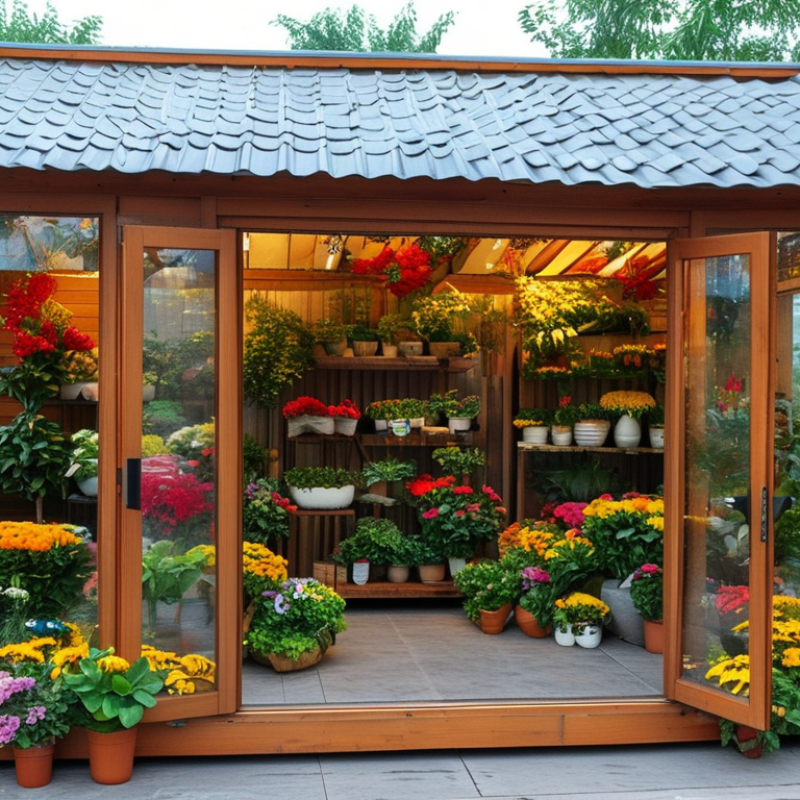
A potting shed is a small garden workspace for planting, storing tools, and protecting delicate seedlings. It usually includes a workbench, shelves, ventilation, and clear panels for natural light. Some models combine timber walls with glass or polycarbonate sections. It is practical. Gardeners can keep soil, pots, gloves, and hand tools within easy reach.
China serves global buyers through a mature manufacturing network for outdoor structures. Many factories can process treated timber, aluminum, steel fittings, and weather-resistant panels. Their experience supports custom sizes, flat-pack designs, ventilation options, and different roof styles. Production teams often use cutting lists, moisture checks, coating inspections, and carton testing. These steps reduce damage during international transport. Buyers can also compare several factory quotations efficiently.
However, low pricing should not replace careful verification. A sample may look excellent, while bulk production differs slightly. Ask for material specifications, assembly drawings, inspection photos, and packaging details. Confirm wood treatment standards and local import requirements before payment. Communication can still create problems. Measurements may be converted incorrectly. Hardware may be missing. A reliable supplier responds clearly and records changes in writing. China offers strong capacity, but buyers must inspect the details, not only the catalogue images.
China Top 10 Potting Sheds Manufacturers for Global Buyers
How to Evaluate China’s Potting Shed Manufacturers
Demand data should guide your shortlist, not replace factory evidence. Grand View Research reported that the global gardening equipment market reached about USD 9.8 billion in 2022, with steady growth forecast through 2030. This signals opportunity, but potting sheds remain a specialized category. Ask each manufacturer for recent export records, production capacity, and product-specific inspection reports.
Check the structure before discussing price. Examine timber moisture levels, panel thickness, roof loading, drainage, and glazing performance. A reliable factory should explain its treatment process and provide batch traceability. Request test results for coatings, fasteners, hinges, and glass safety. For European orders, review documentation aligned with applicable construction and chemical requirements. For other markets, confirm local wind, snow, and fire expectations. ITC Trade Map and UN Comtrade data can help verify a supplier’s export activity under relevant prefabricated-building classifications.
Visit the workshop, physically or through a live video audit. Watch how workers seal joints, protect corners, and package fragile windows. ISO 9001 certification helps, but it does not prove consistent workmanship. A spreadsheet can still lie. Compare rejected-unit rates, warranty claims, replacement procedures, and average lead times. One weakness deserves attention: many catalogues show perfect gardens, not imperfect loading sites. Request a sample assembly video and a trial order. The cheapest quotation may hide thinner boards, weaker packaging, or costly installation corrections.
| Ranking | Supplier ID | Primary Product Focus | Common Material Options | Customization Capability | Typical MOQ to Confirm | Export Documentation | Quality-Control Evidence | Lead-Time Target | Evaluation Score |
|---|---|---|---|---|---|---|---|---|---|
| 1 | Manufacturer 01 | Timber potting sheds with workbenches and storage zones | FSC-certified timber option; treated softwood; tempered glass | High: dimensions, windows, shelving, paint, packaging | 20–50 units; confirm by design and season | Request full export set | Pre-shipment inspection and moisture records required | 35–55 days after approval | 91/100 |
| 2 | Manufacturer 02 | Modular garden buildings for retail and landscaping projects | Pressure-treated timber; polycarbonate; galvanized hardware | High: modular layouts and flat-pack packaging | 30–60 units; confirm carton configuration | Commercial invoice and packing list available | Assembly inspection, carton drop test, hardware checklist | 40–60 days after deposit | 89/100 |
| 3 | Manufacturer 03 | Compact potting sheds for balconies, patios, and small gardens | Engineered wood; aluminum frames; acrylic or polycarbonate panels | Medium to high: color, panel layout, accessories | 50–100 units; confirm color requirements | Confirm destination-market requirements | Dimensional report and assembly sample recommended | 30–50 days after artwork approval | 87/100 |
| 4 | Manufacturer 04 | Heavy-duty wooden sheds for professional gardeners | Pressure-treated pine; steel fittings; laminated safety glass | Medium: structural changes may require new tooling | 20–40 units; confirm structural configuration | Verify timber-treatment documents | Factory inspection, moisture testing, load checks | 45–65 days after technical approval | 85/100 |
| 5 | Manufacturer 05 | Greenhouse-style potting sheds with high natural light | Aluminum; tempered glass; polycarbonate; treated wood bases | High: glazing, ventilation, benches, doors | 30–80 units; confirm glass-packaging constraints | Confirm HS code and origin documents | Glass inspection, water-leak test, packaging audit | 40–70 days depending on glazing | 84/100 |
| 6 | Manufacturer 06 | Flat-pack sheds designed for e-commerce distribution | Painted timber panels; OSB or plywood flooring; steel fasteners | Medium: packaging and accessory customization | 100–300 units; lower volume may increase unit cost | Retail packaging support available to confirm | Barcode check, carton compression test, sample assembly | 35–55 days after packaging approval | 82/100 |
| 7 | Manufacturer 07 | Budget-oriented garden storage and potting workstations | Untreated or treated softwood; acrylic windows; standard hardware | Medium: standard sizes preferred | 100–200 units; confirm mixed-container policy | Verify product liability coverage | Pre-production sample and random inspection recommended | 30–50 days after sample approval | 79/100 |
| 8 | Manufacturer 08 | Premium outdoor studios with integrated potting areas | Engineered timber; insulated panels; aluminum or composite doors | High: insulation, electrical preparation, interior layout | 10–30 units; project-based quotation required | Confirm installation and local-code support | Detailed bill of materials, factory audit, site-installation plan | 60–90 days for project orders | 78/100 |
| 9 | Manufacturer 09 | Small agricultural and nursery-use potting structures | Galvanized steel; polycarbonate; treated timber accessories | Medium to high: ventilation, benches, roof systems | 20–50 sets; confirm accessory mix | Confirm packing and installation manuals | Coating-thickness test, wind-load data, component inspection | 45–75 days after engineering sign-off | 76/100 |
| 10 | Manufacturer 10 | Custom private-label potting sheds for distributors | Buyer-selected timber, metal, glazing, and roofing materials | High: private-label packaging and product specifications | 50–150 units; confirm tooling and artwork fees | Verify trademark and packaging controls | Golden sample, inspection standard, corrective-action process | 45–70 days after final artwork approval | 74/100 |
| Recommended buyer checks: verify business registration, factory location, ownership of production equipment, timber treatment, applicable import requirements, packaging strength, product drawings, spare-parts policy, payment terms, inspection rights, and after-sales responsibilities before placing an order. | |||||||||
China’s top 10 potting shed manufacturers serve different buyer needs. A timber-frame specialist offers warm interiors and flexible layouts. A galvanized-steel producer focuses on rust resistance and low maintenance. An aluminum workshop delivers lighter panels and easier installation. A modular shed maker supports fast assembly on prepared ground. A custom-design factory handles unusual dimensions and roof styles. An insulated-panel producer helps protect seedlings during temperature changes. A flat-pack supplier reduces container space and freight costs. A garden-structure manufacturer provides matching benches, windows, and storage walls. A heavy-duty fabricator supports larger commercial growing areas. A small-batch workshop offers better control for private-label orders.
Their strengths become clearer during factory checks. Experienced buyers should inspect corner joints, door alignment, drainage channels, and roof ventilation. Details matter. A potting shed may look attractive, yet thin hinges can fail after repeated seasonal use. Ask for material samples, assembly drawings, moisture protection details, and packing photographs. Reliable suppliers usually explain tolerances instead of promising perfection. That honesty is useful.
Global purchasing also requires careful communication. Confirm panel thickness, glass or plastic glazing, fastener material, loading limits, and replacement-part access. Manufacturers with export experience can prepare clearer documents and stronger protective packaging. Some factories offer wind or snow-load calculations, but buyers should verify local requirements independently. Not every “custom” option is practical. Complex designs may increase waste, assembly time, and repair difficulty. A small pilot order often reveals problems before a full shipment.
China’s top ten potting shed manufacturers serve different garden, nursery, and commercial needs. Their key products include compact backyard sheds, walk-in propagation houses, tool shelters, and modular greenhouse-shed combinations. Buyers should compare usable floor space, roof height, ventilation, drainage, and door clearance, not only catalogue photos.
Materials strongly affect service life. Treated timber offers a warm appearance and can be repaired easily. Galvanized steel provides rigid framing and better resistance to moisture. Aluminum reduces weight, while polycarbonate panels spread soft daylight and resist impact. Some manufacturers combine steel frames with insulated panels for colder regions. Check coating thickness, panel density, fastener quality, and water-sealing details. Small components matter.
Customization may include shelving, potting benches, skylights, louvers, gutter systems, sliding doors, electrical openings, and branded packaging. Reliable suppliers should provide drawings, material samples, load information, inspection records, and clear production schedules. Request a prototype when dimensions are unusual. It costs more, sometimes unnecessarily, but it can reveal poor drainage or awkward assembly before shipment. A low quotation may exclude hardware, packaging, or replacement parts. That is easy to miss. Buyers should also confirm container loading plans, installation instructions, spare-component support, and after-sales communication. No manufacturer gets every detail perfect, so careful verification remains essential.
This market reference chart compares the product, material, and customization features most commonly requested by global buyers when sourcing potting sheds from China. Wooden structures are typically selected for appearance and insulation, galvanized steel for durability, and polycarbonate or glass for daylight and plant protection.
Global buyers need more than a low factory quotation. A potting shed combines timber, glass, hardware, packaging, and seasonal demand. The World Bank’s 2023 Logistics Performance Index assessed 139 economies across customs, infrastructure, tracking, and delivery timeliness. These factors directly affect landed cost and customer satisfaction.
Request a production sample before approving bulk orders. Check roof alignment, door clearance, glass protection, fastener quality, and timber moisture records. Ask for a photo-based inspection checklist. Include tolerances for panel gaps and acceptable cosmetic defects. AQL sampling can support consistency, but it cannot replace practical inspection. One warped board can delay installation.
Shipping requires equal discipline. UNCTAD reports that maritime transport carries over 80% of global merchandise trade by volume. Confirm carton dimensions, pallet limits, container loading plans, and destination port charges. Use moisture-resistant wrapping and edge protection around glass. Wooden pallets may require ISPM 15 treatment, depending on the shipment route. Ask for a realistic production schedule, not an optimistic promise. Our experience shows that cheaper freight may create higher claims later. That assumption deserves review. Share approved drawings, packing photos, inspection reports, and batch numbers with every shipment. Small documentation gaps often become expensive disputes.