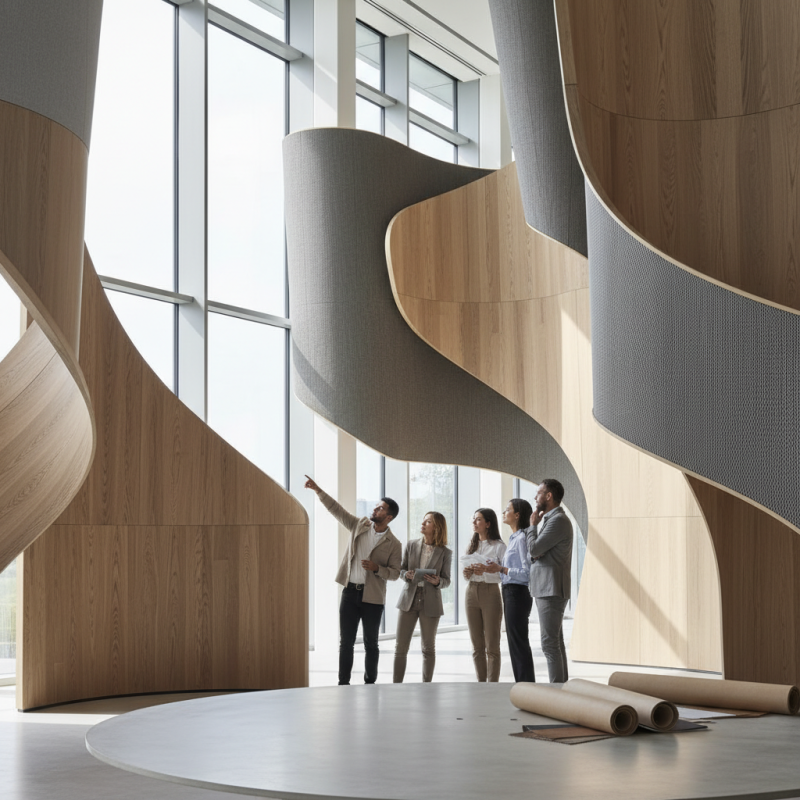
Top Bendable Wall Panels Supplier in China for Your Projects?
In the realm of innovative design, finding the right Bendable Wall Panels Supplier can transform your project. These panels offer versatile solutions for architects and designers alike. They create unique shapes and lines, enhancing any environment.
China stands out as a prominent hub for such suppliers, offering a variety of high-quality products. The markets are flooded with options, and not all suppliers guarantee reliability. Some products may not meet quality expectations, leading to potential project setbacks. Researching suppliers thoroughly is essential.
Consider factors such as material durability and design flexibility. This careful selection process demonstrates your commitment to excellence. Choosing the right Bendable Wall Panels Supplier can ultimately influence the success of your project. It’s an important decision that requires time and reflection.
Understanding Bendable Wall Panels and Their Applications
Bendable wall panels are a remarkable innovation in interior design. These flexible panels can adapt to various shapes and surfaces, making them ideal for unique architectural projects. Their applications range from curved walls in commercial spaces to creative home designs. The versatility of bendable panels allows for seamless integration into diverse environments.
Designers appreciate the ease of installation these panels offer. They can be cut and shaped on-site, reducing the need for additional materials. This adaptability is crucial when working on intricate designs or limited spaces. However, their installation requires careful planning. A lack of attention to detail can lead to misalignment or inadequate support.
Building a project around bendable panels can be both exciting and challenging. Understanding the specific requirements is vital. There may be a learning curve for those new to these materials. It's important to experiment and refine techniques during installation. This process can reveal potential pitfalls and encourage innovative solutions in design.
Key Features to Look for in High-Quality Wall Panels
When selecting wall panels, focus on key features that impact quality and usability. High-quality bendable wall panels should offer durability and flexibility. They need to withstand various environmental factors, especially in humid areas. Consider panels that are resistant to moisture, as they will last longer in diverse conditions. Aesthetic appeal is also crucial. Look for panels that come in various designs and colors to match your project's style.
One essential tip is to check the installation process. Some panels are easy to install, while others require professional help. Look for products that offer clear guidelines and support. An efficient installation can save you time and money. Reliability is another factor. Ensure that the supplier has a good track record of delivering high-quality products consistently.
Also, pay attention to the customization options available. Customizable panels allow for unique designs tailored to specific project needs. It’s wise to ask for samples before making a bulk order. This way, you can assess the quality firsthand. Finding the right supplier can enhance your projects significantly, so take your time to research and choose wisely.
Top Suppliers of Bendable Wall Panels in China
In recent years, the demand for bendable wall panels has surged, driven by innovative architectural designs. These panels offer versatility, allowing architects to create unique and visually appealing spaces. According to a report by Market Research Future, the global demand for flexible building materials is expected to grow at a CAGR of 8.5% from 2021 to 2026. This trend is evident in China, where suppliers are responding to the increasing market needs with a diverse range of products.
Top suppliers in China focus on advanced manufacturing processes to enhance product durability. Many utilize high-quality raw materials, ensuring that the panels maintain structural integrity while remaining flexible. Industry observations suggest that around 70% of construction projects prioritize sustainability, influencing the choice of materials. China's suppliers are noted for their adaptation to eco-friendly practices, aligning with global sustainability goals.
However, not all suppliers meet these high standards. Quality can vary significantly. Buyers should conduct thorough research before engaging with suppliers. Customer feedback and industry certifications play a crucial role in assessing reliability. According to a recent survey, 40% of project managers experienced challenges with subpar wall panels, emphasizing the need for careful selection.
Top Bendable Wall Panels Supply Statistics
Evaluating Cost-Effectiveness of Bendable Wall Panels for Projects
Bendable wall panels are becoming increasingly popular in construction projects. Their versatility and adaptability allow for creative designs in various spaces. According to a recent industry report, the demand for flexible materials in architecture has grown by 30% over the past five years. This shift indicates a strong preference for innovative solutions among architects and builders.
When evaluating cost-effectiveness, one must consider multiple factors. Initial costs can be lower compared to traditional materials. However, the long-term benefits often outweigh initial expenditures. Bendable panels can reduce labor costs since fewer cuts and joins are required. They also offer energy efficiency, which can lead to savings over time. A study found that projects using these panels can achieve up to 20% energy savings.
Yet, the performance of bendable panels might not be flawless. They can be susceptible to environmental factors, such as moisture. Careful monitoring is necessary to avoid potential issues. Contractors often need additional training to ensure proper installation and maintenance. Despite these challenges, many projects successfully incorporate bendable panels, showcasing their potential to combine aesthetic appeal with practicality.
Top Bendable Wall Panels Supplier in China for Your Projects? - Evaluating Cost-Effectiveness of Bendable Wall Panels for Projects
| Panel Type | Material | Thickness (mm) | Size (m²) | Cost per m² (USD) | Weight (kg) |
| Flexi Panel A | PVC | 5 | 2.4 | 15 | 10 |
| Flexi Panel B | Fiberglass | 6 | 3.0 | 18 | 12 |
| Flexi Panel C | Polyester | 4 | 2.0 | 12 | 8 |
| Flexi Panel D | Aluminum | 7 | 2.5 | 20 | 15 |
| Flexi Panel E | Composite | 8 | 3.5 | 22 | 18 |
Sustainability and Trends in Wall Panel Manufacturing in China
In recent years, sustainability has become a key focus in wall panel manufacturing in China. The demand for eco-friendly materials is growing. According to the China Building Materials Federation, around 70% of consumers prioritize sustainable products. This shift is pushing manufacturers to innovate. Water-based adhesives and recycled materials are now common in production. These efforts reduce manufacturing waste and lower carbon footprints.
Trends show that bendable wall panels are gaining popularity. They offer versatility and aesthetic appeal. A report by the International Panel Association demonstrates a 25% increase in sales for innovative panel designs last year. This rise indicates a shift toward customizable solutions in interior design. However, some manufacturers struggle with product consistency. Quality control remains a significant challenge in maintaining standards across varying materials.
There is also a growing interest in bio-based materials. These are derived from renewable resources, appealing to eco-conscious consumers. Yet, bio-based options are often more expensive to produce. This cost factor can limit accessibility for some projects. Balancing sustainability and cost remains a critical issue for suppliers in the industry. As the market evolves, collaboration and transparency will be vital for growth.