Sorry, your browser is not supported. For a better experience, keep your browser up to date. Check here for latest versions
A responsible search for the Top 10 Legal Butterfly Specimen Sources Worldwide begins with one question: can each specimen be traced to a lawful, documented origin? A glassine envelope, collection label, or seller’s invoice may look ordinary. Together, these details can reveal where a specimen came from and how it was obtained. Rules differ by country and species, so “legal” should never be assumed from a website’s sales language alone.
Lepidopterist and conservationist Robert Michael Pyle’s work offers a useful ethical lens. The following is an editorial paraphrase, not a direct quotation: “A specimen’s value depends on responsible collecting and respect for living populations.” Look for reputable museums, established educational suppliers, and sellers who provide clear provenance and answer questions about permits or captive breeding. Check current requirements with relevant authorities before buying, importing, or transporting anything. A buyer should also consider whether the specimen is suitable for study, teaching, or a carefully documented collection. Details matter. No source can replace your own checks, and even a polished listing may leave important gaps. This guide compares practical options while treating conservation and transparency as part of quality—not fine print.
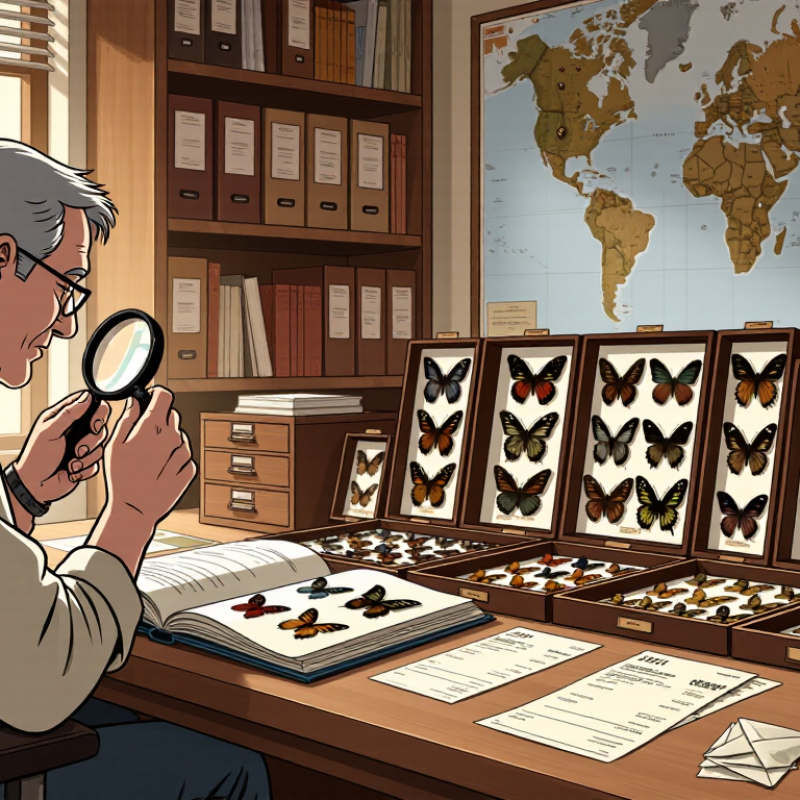
A legal and responsible butterfly specimen source can explain where each specimen came from, how it was obtained, and which rules apply. Ask for the scientific name, collection locality, date, and source records. Clear documentation matters. A tidy label alone is not proof.
Rules differ between countries and species. Some specimens may require permits or additional documentation for transport across borders. Check current requirements with the relevant wildlife and customs authorities before buying or shipping anything. Reputable sources should answer questions plainly and should not promise that one document guarantees legality everywhere. Keep invoices and permits with the specimen.
Responsible sourcing also considers how collection affects wild populations and local habitats. Prefer specimens with verifiable, lawful origins and avoid sellers who cannot distinguish wild-collected material from captive-reared material. That distinction can matter, but paperwork and local rules still need checking. A small pin, faded label, or missing date can make a specimen’s history harder to confirm. I have to admit, provenance is not always as neat as a catalog suggests; when records are incomplete, pause and seek independent guidance rather than guessing.
Wildlife rules can change at national, state, and local borders, so a butterfly specimen considered permissible in one place may need extra documentation elsewhere. Check the rules in both the country of origin and the destination before purchase or shipment. Some species are protected, and international trade may require permits under wildlife agreements such as CITES. Rules differ.
For a lawful purchase, look for clear records showing the specimen’s scientific name, origin, and how it was obtained. A dated invoice and any required permits help establish provenance; vague labels such as “old collection” are not enough. Ask whether the specimen was captive-bred or collected under an authorized program, and keep the seller’s written response. Keep the paperwork. Customs agencies may require declarations even when a specimen is legally owned.
Museums, educational collections, and dealers operating under local permits can be useful starting points, but no source is automatically compliant everywhere. Verify current requirements with the relevant wildlife authority before ordering, especially when a parcel crosses a border. It is easy to mistake a confident seller’s assurance for legal proof. I would rather pause over one unclear document than rely on an assumption; even careful buyers can miss a local rule.
Legal sourcing starts with identity, not a polished sales page. Ask for the scientific name, origin country, acquisition date, and whether each specimen was captive-reared or field-collected. Paperwork matters. Match invoices and required permits to the exact taxon, quantity, and shipment. Check rules in both the country of origin and the destination. Where CITES applies, confirm permit requirements with the relevant authorities; a trade record alone cannot prove an individual specimen’s chain of custody.
Provenance should be specific enough to trace. Request the collector or breeding facility, locality at an appropriate level, and transfer history. The European Environment Agency’s grassland butterfly indicator reported a 36% decline in European grassland butterfly populations between 1991 and 2021. That finding is a reminder that vague locality claims are not evidence of responsible collection. Details matter.
For older specimens, ask for dated labels, prior ownership records, and an explanation of any gaps. Keep copies with the specimen, not only in email. CITES trade data can help contextualize declared international transactions, but it does not independently authenticate every specimen. A neat document pack can still contain inconsistencies. Check names, dates, and quantities against one another, and pause when they do not align.
Supplier assessment starts with provenance and the paperwork required for international trade. This chart compares CITES document types relevant to direct trade—not suppliers or a supplier ranking.
How to read it: The bars count the distinct CITES permit or certificate types that may apply to a direct-trade pathway: Appendix I has export and import permits; Appendix II has an export permit; Appendix III recognizes an export permit, certificate of origin, or re-export certificate. Appendix III documents are alternatives depending on origin—not a set required all at once. Requirements can vary with the specimen, country, purpose, and applicable exemptions.
Supplier due diligence should also verify species identification, lawful acquisition, source-country rules, and matching shipment records. Reference: CITES, “The CITES Appendices” and “How CITES works” (cites.org).
Top 10 Legal Butterfly Specimen Sources Worldwide?
Legally acquired butterfly specimens can come from several kinds of reputable sources: licensed natural-history dealers, museum education shops, university teaching collections, accredited insect fairs, school science suppliers, and lawful butterfly farms. Regional natural-history societies, conservation-group sales, documented estate collections, and specialist auction houses may also offer specimens. Availability varies by country, and not every source carries every species. A beautiful display can still raise questions.
Ask for the scientific name, origin, and written provenance before purchasing. Check whether the specimen was captive-bred or collected, and whether local rules allow its sale, possession, and transport. Import and export requirements differ widely; protected species may require specific authorization or may not be tradeable. Reliable sellers should answer questions clearly and provide relevant records. Keep receipts and documents with the specimen, especially when crossing borders.
Tips: Request paperwork before paying. Compare the label with the seller’s description, and pause if details conflict. Rules change, and a seller’s assurance is not a substitute for checking official guidance. I would rather leave an uncertain specimen behind than build a collection around a doubtful story.
These are jurisdiction-based purchasing routes, not endorsements or a ranked list of sellers. Availability and legality depend on the species, its origin, and the destination country.
| Region or Country | Potential Legal Source Route | Key Rules to Check | Documents to Request |
|---|---|---|---|
| United States | Domestic captive-bred specimens or documented specimens from established private collections. | Check federal Endangered Species Act and CITES controls where applicable, plus state collection, possession, and sales laws. | Seller’s invoice; species and origin details; captive-breeding records or collection history; applicable federal or state permits. |
| Canada | Documented captive-bred specimens or lawful, traceable specimens from private collections. | Check the Wild Animal and Plant Protection and Regulation of International and Interprovincial Trade Act (WAPPRIITA), CITES requirements, and relevant provincial or territorial rules. | Invoice; proof of legal origin; CITES permits or certificates when required; any applicable provincial documentation. |
| United Kingdom | Captive-bred specimens or traceable specimens from established private collections, subject to species-specific controls. | Check the Wildlife and Countryside Act 1981 and UK wildlife-trade rules implementing CITES controls. Commercial use of certain listed species may require a certificate. | Invoice; origin and breeding records; relevant CITES documentation or commercial-use certificate, if applicable. |
| France | Lawfully documented domestic or EU-market specimens, including eligible captive-bred specimens. | Check EU Wildlife Trade Regulations (Council Regulation (EC) No 338/97). Commercial use of Annex A specimens is generally restricted unless an applicable certificate or exemption applies. | Invoice; proof of legal acquisition; captive-breeding records; EU certificate or other required documentation for listed species. |
| Japan | Specimens from lawful domestic breeders or documented collections; imported specimens only through compliant import channels. | Check Japan’s Act on Conservation of Endangered Species of Wild Fauna and Flora for designated species, as well as CITES and import requirements where applicable. | Invoice; species identification and origin; import permits or CITES documents where required; registration documents for regulated species. |
| Australia | Authorized domestic captive-breeding or collection channels, where permitted under applicable federal, state, or territory rules. | Check the Environment Protection and Biodiversity Conservation Act 1999, local wildlife laws, and biosecurity rules. Import and export restrictions can be strict. | Invoice; proof of lawful origin; relevant state or territory permits; federal permits and biosecurity documents when applicable. |
| New Zealand | Lawfully held domestic specimens or compliant imports with a clear chain of documentation. | Check the Wildlife Act 1953 and Biosecurity Act 1993, including applicable import requirements. Protected wildlife and imported specimens may be subject to controls. | Invoice; origin records; applicable import documentation; permits or approvals required for protected species. |
| South Africa | Licensed breeding or collection channels, and documented older collections where possession and transfer are lawful. | Check the National Environmental Management: Biodiversity Act, applicable threatened-species regulations, and provincial permit rules. | Invoice; proof of origin; breeder or collection records; relevant national or provincial permits. |
| Costa Rica | Only use legally authorized captive-breeding or trade channels, or documented specimens whose lawful history can be established. | Check Wildlife Conservation Law No. 7317 and current national rules on wildlife possession, breeding, trade, and export. Do not assume a wild-collected specimen is legal to sell. | Invoice; evidence of authorized origin; applicable domestic permits; export and CITES documents where required. |
| Brazil | Specimens from authorized commercial breeding or other specifically permitted sources, with verifiable origin records. | Check current federal and state wildlife rules, relevant environmental authorizations, and CITES requirements for listed species. Rules may differ by species and activity. | Invoice; authorization or breeder documentation; proof of legal origin; applicable transport, export, or CITES permits. |
Before buying: Confirm the scientific species name, country of origin, and whether the specimen was captive-bred or wild-collected. For international purchases, verify import and export requirements with the relevant authorities in both countries. Keep the invoice and all permits with the specimen. Laws and species listings change, so check current official rules before purchase.
A credible butterfly specimen record should connect the specimen to a species, collection date, locality, and lawful source. Ask for a clear label photograph and an invoice that matches the seller’s description. Check the scientific name against an authoritative taxonomic reference; common names can vary between countries. The IUCN’s 2010 European Red List assessed 482 butterfly species and classified 8.5% as threatened in Europe. That assessment is not a permit list, but it shows why locality and conservation status deserve careful review. Old records can be incomplete. Treat gaps as questions, not proof of wrongdoing.
Tips: Before paying, request the specimen’s origin, collection date, and any applicable export or import documents. Compare names and dates across records. For cross-border purchases, confirm requirements with the relevant government authority; rules may depend on species and destination. Keep the seller’s written answers with the receipt. A beautiful specimen is not a complete record.
Small inconsistencies can matter. A label showing one country while the invoice lists another needs clarification. If documentation cannot be matched or verified, pause the purchase and seek advice from a museum collection manager or qualified taxonomic specialist. The paperwork may be imperfect, and that is worth acknowledging—but uncertainty should not be filled with assumptions.