Sorry, your browser is not supported. For a better experience, keep your browser up to date. Check here for latest versions
China’s woven sack bag sector serves agriculture, chemicals, construction, food processing, and international logistics. This guide introduces ten Chinese manufacturers that attract global buyers through production capacity, material control, customization, and export experience. The focus is practical. A strong factory should deliver more than attractive samples.
It should control polypropylene resin, tape strength, weaving density, lamination, printing, stitching, and final inspection. Small details matter. A loose seam can spill a full load of grain. Poor lamination can weaken after storage in humid conditions. Buyers should also review test reports, factory records, packaging specifications, and communication habits before signing a contract.
Walter Soroka, author of Fundamentals of Packaging Technology, describes packaging as “a silent salesman.” That idea fits Woven Sack Bags well. The bag protects the product, communicates brand information, and influences handling efficiency. Yet appearance cannot replace performance. No ranking is flawless, because factory capability may change with equipment, staff, materials, and order volume.
For this reason, the following selection considers measurable factors rather than marketing claims alone. These include annual output, bag construction, printing quality, quality assurance systems, certifications, minimum order quantities, and overseas service. Product suitability also depends on the buyer’s needs. A fertilizer sack requires different protection from a food-grade flour bag.
Some conclusions remain imperfect. Public information is not always complete, and supplier comparisons can involve judgment. Global buyers should request current samples and independent testing. Careful verification still matters most.
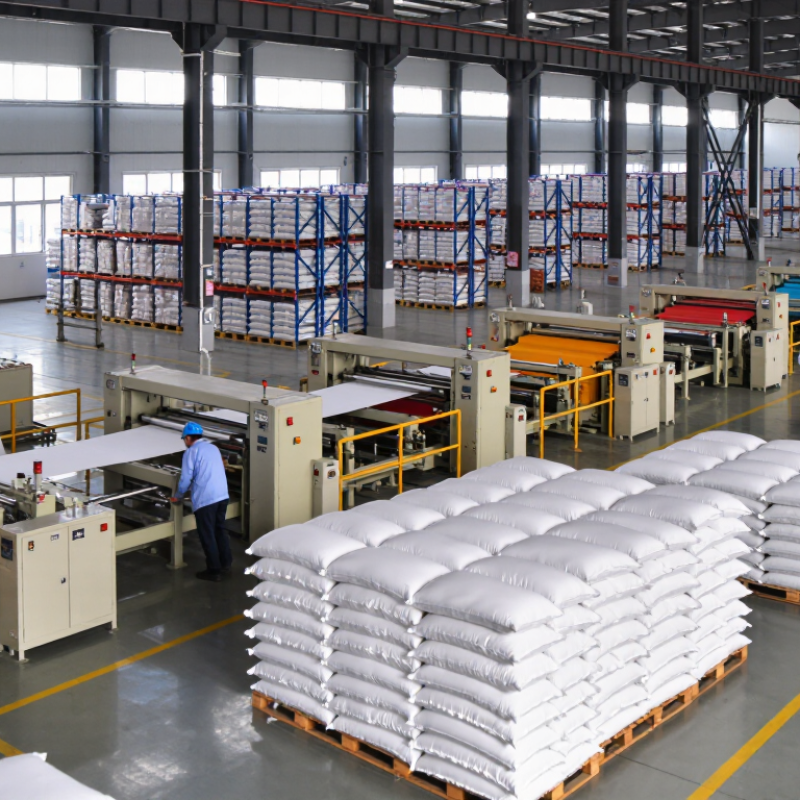
Woven sack bags are flexible containers made from interlaced plastic tapes, usually polypropylene. Their woven structure provides strength without adding excessive weight. Many global buyers use them for grains, animal feed, fertilizer, minerals, and construction materials. They are easy to stack, transport, and store. Some designs include laminated layers, liners, or printed surfaces for moisture control and product identification.
In practical purchasing, bag performance depends on more than fabric thickness. Buyers should check safe working load, seam strength, stitching quality, bag dimensions, and filling conditions. A sack used for dry grain may need different protection from one exposed to rough mineral particles. Factory samples help reveal weak corners, uneven weaving, or poor valve alignment. Certification documents also matter, but paperwork cannot replace physical inspection.
I have seen specifications look excellent while actual bags failed during stacking. That gap deserves attention.
Tips: Request production samples and test them under realistic weight and handling conditions. Confirm whether the bags need liners, UV protection, or laminated surfaces. Ask for batch records and agreed inspection standards. Do not select only by the lowest price. A cheaper sack may split, waste contents, and increase transport costs. Also consider storage humidity and pallet height before confirming the design. Small details matter.
A capable woven sack manufacturer should prove performance, not only quote a low price. During supplier checks, request production samples, recent test records, and clear material specifications. Important details include polypropylene grade, fabric weight, seam strength, coating thickness, valve accuracy, and moisture resistance. For bulk-load applications, testing aligned with ISO 21898 can improve confidence. The standard addresses flexible intermediate bulk containers, but some principles help assess sack safety. Ask about drop tests and stacking trials. Real warehouse conditions are less forgiving.
Supply reliability matters as much as bag quality. UNCTAD’s Review of Maritime Transport 2023 reports that about 80% of global merchandise trade by volume moves by sea. Long ocean exposure can reveal weak seams, poor lamination, or unstable dimensions. Evaluate container-loading methods, production capacity, inspection procedures, and replacement policies. The World Bank’s 2023 Logistics Performance Index also highlights customs, infrastructure, and shipment reliability as major trade factors. A factory with vague lead times deserves caution.
The OECD’s Global Plastics Outlook estimates that 353 million tonnes of plastic waste were generated in 2019, while only 9% was recycled. Therefore, buyers should verify recycled-content claims, recyclability, ink safety, and waste-handling records. A supplier may present attractive certificates, yet certificates can be outdated or incomplete. Independent audits help, but they are not perfect. I would still compare batch samples, factory records, and customer references before approval. Fancy packaging cannot repair inconsistent fabric.
China’s Top 10 Woven Sack Bag Manufacturers attract global buyers through scale, customization, and export experience. They commonly produce bags for grains, animal feed, chemicals, construction materials, and recyclable industrial goods. Strong manufacturers control weaving, lamination, printing, cutting, and stitching in one production system. This can reduce delays and improve consistency.
A practical evaluation should examine fabric density, tensile strength, seam quality, valve design, and moisture resistance. Ask for recent test reports and production samples. A factory tour, video audit, or third-party inspection can reveal details that brochures often miss. Experienced suppliers usually explain minimum order quantities, lead times, packaging methods, and quality tolerances clearly. Still, “top 10” lists are not absolute. A large factory may not suit a smaller order or a highly specific design. I have seen attractive samples fail during stacking tests, so performance checks matter.
Tips: Request a sample before signing. Test filled bags under realistic warehouse conditions. Confirm print colors, dimensions, and weight in writing. Discuss rejected goods and corrective action early. One overlooked detail is pallet loading. Poor stacking can damage bags before shipment. Compare at least three quotations, but do not choose by price alone. A reliable manufacturer should answer technical questions without vague promises. fredrikstad
| Rank | Anonymous Manufacturer Profile | Core Product Range | Typical Bag Capacity | Fabric & Construction Options | Printing Capability | Customization Scope | Common End-Use Markets | Export Buyer Suitability |
|---|---|---|---|---|---|---|---|---|
| 1 | Manufacturer Profile A | PP woven bags, laminated sacks, valve bags and BOPP-laminated sacks | 5–50 kg standard formats; larger bulk-pack options available | Coated or uncoated PP fabric; block-bottom, sewn-bottom and valve constructions | Flexographic printing up to 6 colors; BOPP gravure printing for photographic graphics | Custom dimensions, gussets, liners, handles, closures and palletizing formats | Agriculture Food ingredients Chemicals | Suitable for distributors requiring mixed product programs and private-label packaging |
| 2 | Manufacturer Profile B | Heavy-duty woven sacks, FIBC components and industrial packaging | 10–50 kg sacks; industrial bulk packaging up to 1,500 kg | High-strength PP tape; UV-stabilized fabric; inner PE liner options | 1–4 color flexographic printing; laminated surface printing | Anti-slip treatment, sift-proof seams, liner integration and special lifting configurations | Minerals Construction Resins | Suitable for buyers prioritizing load performance and industrial handling |
| 3 | Manufacturer Profile C | Rice bags, flour sacks, feed bags and agricultural packaging | 10–50 kg, with common formats for 25 kg and 50 kg filling lines | Plain, laminated or coated PP fabric; standard and circular-woven structures | Up to 6-color flexographic printing; repeat artwork production | Custom bag width, length, fabric weight, mouth finish and bottom style | Rice Flour Animal feed | Suitable for high-volume agricultural and food-packaging procurement |
| 4 | Manufacturer Profile D | BOPP laminated sacks, branded retail sacks and premium printed packaging | 5–50 kg retail and industrial sizes | Multilayer PP construction; BOPP film lamination; moisture-resistant surfaces | Gravure printing commonly available in up to 8 colors | High-resolution graphics, matte or glossy finishes, tear-open features and resealable options | Pet food Fertilizer Consumer goods | Suitable for buyers needing strong shelf appearance and printed product differentiation |
| 5 | Manufacturer Profile E | Valve sacks, block-bottom bags and automated filling-line packaging | 10–50 kg, optimized for high-speed filling and stacking | Coated PP fabric with block-bottom construction; optional paper or PE valve components | Flexographic or gravure printing depending on surface material | Valve position, filling aperture, pallet pattern, anti-skid coating and seam specifications | Cement Mortar Powders | Suitable for automated plants and buyers requiring consistent dimensional tolerances |
| 6 | Manufacturer Profile F | Recyclable PP woven bags, mono-material sacks and lightweight packaging | 5–40 kg, with reduced-material constructions for selected applications | Mono-PP designs, recyclable laminates and lightweight woven fabric options | Standard flexographic printing; selected laminated printing formats | Material downgauging, recyclable structures, custom perforation and packaging optimization | Recycling-focused goods Agriculture Food products | Suitable for buyers with material-reduction or recyclability targets |
| 7 | Manufacturer Profile G | Small-format woven bags, liner bags and specialty packaging | 5–25 kg, including compact retail and sample-pack formats | Lightweight PP fabric; inner liners; laminated and moisture-resistant options | Up to 4-color flexographic printing for standard orders | Custom handles, drawstrings, liners, dimensions and retail-ready packaging | Seeds Pet supplies Garden products | Suitable for importers seeking flexible formats and moderate order volumes |
| 8 | Manufacturer Profile H | Industrial bulk bags, coated woven sacks and container liners | 25–50 kg sacks; bulk bags commonly designed for 500–1,500 kg loads | High-tenacity woven PP; coated fabric; conductive or antistatic options by specification | Basic identification printing and multi-color industrial graphics | Filling and discharge spouts, lifting loops, liners, baffles and dust-control features | Chemicals Minerals Food ingredients | Suitable for technical procurement requiring documented load and handling specifications |
| 9 | Manufacturer Profile I | Fertilizer sacks, chemical sacks and moisture-resistant packaging | 25–50 kg, with constructions selected for granular and powdered products | UV-resistant and laminated PP fabric; liner and sift-proof seam options | 2–6 color printing depending on film and surface requirements | Custom barrier level, seam design, valve style, perforation and stacking properties | Fertilizer Agricultural chemicals Granules | Suitable for buyers requiring moisture protection and durable outdoor storage |
| 10 | Manufacturer Profile J | General-purpose Pp Woven Sacks, reusable bags and cost-focused packaging | 10–50 kg standard formats | Uncoated or laminated PP fabric; sewn-bottom and open-mouth constructions | 1–4 color flexographic printing | Custom size, fabric weight, color, closure tape and carton packing configuration | Feed Agriculture Waste materials | Suitable for price-sensitive buyers and standard export packaging programs |
Buyer note: Product specifications, certifications, minimum order quantities, testing documents and export compliance should be confirmed directly with each supplier before purchasing.
When comparing China’s woven sack bag manufacturers, global buyers should examine quality beyond photographs. Request samples from the same specification, then inspect fabric density, stitching, seam strength, printing clarity, and bag weight. A practical test is to fill each sample with the intended material and stack it for several days. Check for stretching, loose threads, and damaged corners. Food-contact or industrial requirements may also demand traceable raw materials and documented testing. Do not trust a certificate without checking its scope and validity.
Pricing needs a fair comparison. Ask for a detailed quotation covering fabric grade, dimensions, lamination, printing colors, packaging, tooling, and delivery terms. The lowest price can hide thinner material or inconsistent weight. Compare production capacity through machine numbers, monthly output, shift arrangements, and recent lead-time records. A factory may claim high capacity, yet struggle with peak-season orders. I have seen buyers overlook this risk. It becomes expensive later. Ask for a small trial order, a production schedule, and clear inspection criteria before committing to larger volumes.
Tips: Use one comparison sheet for every supplier. Record sample weight, tensile results, quoted price, minimum order quantity, and actual response time. Visit the facility when possible, or request a live video inspection. Ask how rejected bags are handled. That answer often reveals more than polished sales material. Allow some flexibility, because perfect samples do not guarantee perfect mass production.
Choosing a woven sack manufacturer requires more than comparing prices. Export buyers should check production experience, material consistency, and communication quality. Polypropylene tape width, fabric weight, coating thickness, and stitching directly affect load performance. Ask for samples before approving bulk production.
Compliance must match the destination market and intended use. Request current test reports, material declarations, and traceability records. For food-related packaging, verify applicable food-contact requirements with an independent laboratory. Also review labeling, pallet standards, packaging marks, and export documents before shipment. Small errors can delay customs clearance.
They can become expensive.
A reliable factory should explain its quality-control process clearly. Useful evidence includes incoming-material checks, tensile testing, seam inspection, and documented corrective actions. Buyers should compare minimum order quantities, production capacity, lead times, payment terms, and loading methods. A factory audit or live video inspection can reveal storage problems that brochures often hide.
Do not rely on rankings alone. “Top ten” claims may reflect visibility, not dependable performance. In my experience, a lower quotation sometimes excludes inspection, stronger packaging, or realistic shipping schedules. That assumption deserves careful review. Select a supplier that provides consistent samples, honest limitations, and practical solutions when specifications change. Build a written approval process, with signed samples and measurable acceptance standards.