Sorry, your browser is not supported. For a better experience, keep your browser up to date. Check here for latest versions
Choosing a Sleeping Bag is a practical decision, not just a matter of comparing prices. Grand View Research estimated the global sleeping bag market at about US$1.1 billion in 2023, with growth expected through 2030. This figure signals commercial opportunity, but it does not measure the quality or reliability of any individual factory. That distinction matters.
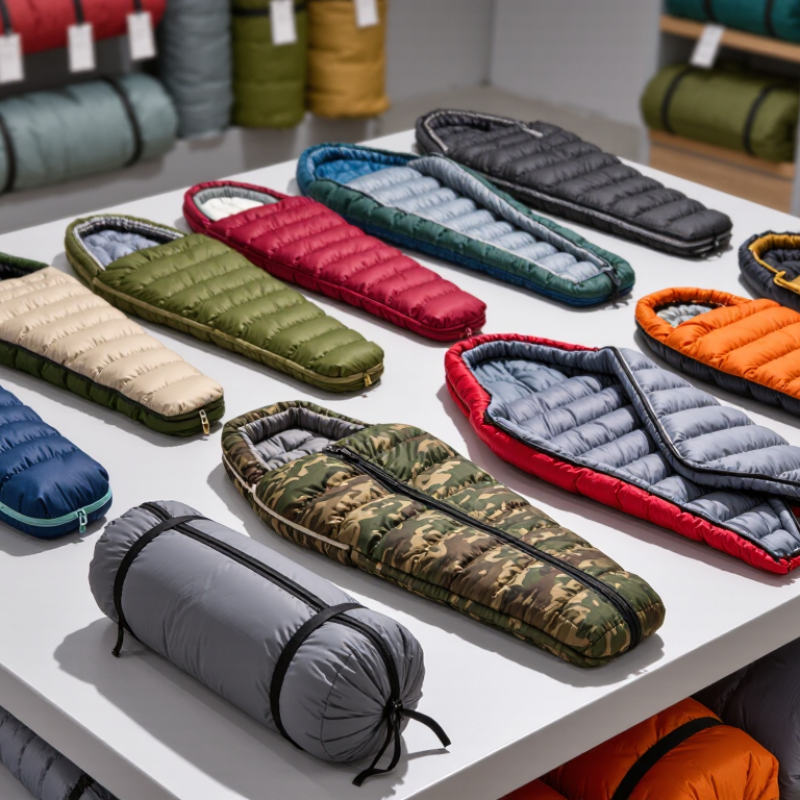
For buyers evaluating the Top 10 Sleeping Bag Manufacturers in China, the details deserve close attention. Ask how makers test temperature ratings, control insulation quality, reinforce seams, and inspect finished products. A bag may look warm on a showroom table; its zipper, lining, and packed size tell a fuller story. Outdoor educator Andrew Skurka’s gear guidance emphasizes matching equipment to real trip conditions rather than marketing claims. In paraphrase: choose for the weather you expect, not the label you hope will be enough. It is a modest principle, but easy to overlook.
This guide compares manufacturers through product range, materials, customization options, and evidence of quality control. It also considers communication and production capabilities, which can shape an order as much as a sample does. Supplier claims are not independent proof. Request current specifications, test documentation, and physical samples before making a decision. No list can replace that work. The ranking is a starting point, not a guarantee.
China’s sleeping-bag industry makes products for campsites, alpine trips, and budget travel. Common types include rectangular bags for roomier sleep, mummy bags that reduce heat loss, and synthetic or down-filled models. Grand View Research estimated the global sleeping-bag market at roughly US$1.2 billion in 2023. That figure describes worldwide demand, not China’s factory output. Still, it helps explain why manufacturers compete on warmth, weight, and pack size.
Temperature ratings need careful reading. ISO 23537-1:2022 sets testing requirements for adult sleeping bags, including thermal performance. A comfort rating is more useful for many buyers than an extreme rating, which indicates survival conditions rather than restful sleep. Cold is personal. Test results also depend on clothing, sleeping pads, fit, and test conditions.
Other core metrics include fill weight, insulation type, total product weight, packed volume, and shell durability. Down often compresses well, while synthetic insulation can retain more warmth when damp. Neither is perfect. Buyers should compare like-for-like test methods and check whether listed weights include the stuff sack. A zipper that snags or a hood that leaves gaps can matter more than a small laboratory advantage. Manufacturers’ specifications are useful, but field performance deserves equal scrutiny.
Representative comfort-temperature ratings for common sleeping bag categories (°C)
Lower temperatures indicate bags intended for colder conditions. Values shown are illustrative typical ratings, not market averages; actual performance varies by model, fit, insulation, and test method. For product comparisons, check independently tested comfort ratings under ISO 23537.
ISO 23537 gives sleeping bag temperature ratings a common testing framework. A thermal manikin measures heat loss inside the bag under controlled laboratory conditions. This helps compare products, but it does not recreate a windy campsite or a damp tent floor.
The comfort rating estimates the lowest temperature at which a reference woman can sleep comfortably in a relaxed position. The limit rating estimates the lowest temperature at which a reference man can sleep curled up without feeling excessively cold. These are different use cases, not interchangeable promises. Numbers need context. The extreme rating indicates a survival threshold for a limited period, with serious cold-related health risks possible. It is not a safe target for planning a night outdoors.
A rating on a label is only part of the decision. A thin sleeping pad can let cold seep upward, even when the bag has a low limit temperature. Base layers, fit, fatigue, and personal sensitivity also matter. Check which ISO rating a manufacturer highlights, and compare the same rating across bags. One detail is easy to overlook: real sleepers vary, and lab conditions cannot capture every body or campsite. I would choose a comfort margin rather than rely on the extreme figure.
When comparing Chinese sleeping bag manufacturers, look beyond temperature labels. Fill power describes how much space down occupies, not how warm a finished bag will feel on its own. A higher rating can provide better loft with less weight, but construction and fit matter too. Ask for fill-power test records and check whether the sample matches the listed specification. Small details matter.
Insulation weight is a useful comparison when bags share similar shapes and materials. For synthetic fill, ask how evenly the insulation is placed around the feet, sides, and hood. Shell fabric affects durability, noise, and moisture handling. A tightly woven nylon shell may resist abrasion, while a softer fabric can feel quieter against the tent. Request fabric weight, coating details, and a sewn sample. A product sheet can look tidy; real stitching sometimes tells a less tidy story.
China’s sleeping bag sector spans large-volume cut-and-sew plants and specialist outdoor workshops. The Outdoor Industry Association’s 2024 Outdoor Participation Trends Report counted 175.8 million US outdoor participants in 2023, showing the scale of demand for camping equipment. Demand alone does not prove product quality. The ten profiles below describe manufacturing strengths to check, not verified company rankings. One supplier may focus on affordable synthetic-fill bags for family camping. Another may build lightweight down models with shaped hoods and draft collars. A third may offer rectangular bags with durable fabrics for frequent rental use. Some factories specialize in children’s sizes and simple closures. Others handle custom colors, labels, and packaging for private-label orders.
Further strengths include double-layer insulation for cold conditions, water-resistant shell fabrics, and roomy designs for car camping. Some workshops can adjust fill weight and dimensions for different climates. Others emphasize compact packing, reinforced seams, or fast sample development. Small details matter. A smooth zipper can reduce snagging; a well-shaped hood helps limit heat loss. Yet specifications need proof. Ask for material declarations, fill-power documentation, sample measurements, and test results, then compare them against the intended use. The report measures outdoor participation, not sleeping bag purchases. Treat it as market context, not sales evidence. Factory capacity, quality control, and lead times can change between orders. Verify each point with current samples and production records.
Top 10 Sleeping Bag Manufacturers in China
When comparing sleeping bag manufacturers in China, look beyond advertised factory size. Ask about monthly output, sewing lines, filling equipment, and inspection capacity. Request a production schedule for an order similar to yours. A large sewing floor may still face bottlenecks during quilting or final checks. Details matter.
Check that certifications are current and apply to the factory or product you are evaluating. Ask for test reports covering the materials and performance claims relevant to your project. Minimum order quantities can vary by fabric, color, size, and packaging. Confirm these separately. Also ask about export markets, shipping experience, and destination-specific labeling needs. A spreadsheet can hide delays; I would verify claims with dated documents and a sample review.
Tips: Request a sample and a written quote before comparing suppliers. Ask what changes could affect price or lead time, such as custom fabric or seasonal demand. Pilot orders help, but they do not guarantee every bulk unit will match. Check tolerances and inspection steps in writing.
Data note: The anonymized entries below are illustrative sourcing profiles, not verified records of specific factories or a confirmed ranking. Capacity and order quantities are indicative planning ranges; certifications and export activity must be confirmed directly with each supplier. No company or brand names are shown.
| Profile | Typical Product Focus | Indicative Factory Capacity | Indicative MOQ | Certifications and Compliance Checks | Potential Export Markets | Buyer Due-Diligence Checks |
|---|---|---|---|---|---|---|
| Profile 1 | Rectangular and envelope sleeping bags for casual camping | Approximately 2–4 sewing lines; estimated 8,000–20,000 bags per month, depending on construction and season | About 300–800 units per style or color; confirm fabric and size requirements | Ask for current ISO 9001 documentation, if claimed; request test reports for fabric composition, colorfastness, and filling | North America, Western Europe, Australia, and regional Asian markets are common target regions for this product type | Verify monthly output using line plans, inspect production samples, and confirm whether capacity is shared with other products |
| Profile 2 | Lightweight summer bags and basic synthetic-fill models | Approximately 2–3 sewing lines; estimated 6,000–16,000 bags per month | About 500–1,000 units per model; lower quantities may require standard fabrics and colors | Request material test reports and any relevant quality-management certificates; verify certificate scope and validity with the issuer | Europe, Japan, South Korea, and North America may be target destinations, subject to buyer requirements | Check finished dimensions, fill distribution, zipper performance, carton packing, and pre-shipment inspection procedures |
| Profile 3 | Three-season mummy bags and hooded outdoor sleeping bags | Approximately 3–5 sewing lines; estimated 10,000–25,000 bags per month | About 300–800 units per model; custom temperature ratings or patterns may increase the MOQ | Request independent testing for insulation, fabric performance, and labeling claims; do not treat a supplier’s certificate list as verified without checking | North America, Europe, and established outdoor-product import markets in Asia and Oceania | Review pattern control, seam construction, loft consistency, and the test method used for any temperature rating |
| Profile 4 | Down-filled sleeping bags and premium cold-weather products | Approximately 2–4 specialized lines; estimated 3,000–10,000 bags per month | About 200–500 units per model; down type, fill power, and color customization affect order terms | Request traceability and test documentation for down and textiles; verify any claimed responsible-sourcing or animal-welfare standard directly with its program owner | Europe, North America, Japan, and other specialist outdoor markets | Check down-fill test reports, lot traceability, fill-weight tolerances, and the supplier’s handling and storage controls |
| Profile 5 | Kids’ sleeping bags and family camping products | Approximately 2–4 sewing lines; estimated 8,000–18,000 bags per month | About 500–1,200 units per design; printed fabrics may require higher minimum fabric purchases | Confirm applicable destination-market requirements for children’s products; obtain relevant chemical and product-safety test reports for the exact materials and model | Europe, North America, Australia, and selected Asian retail markets | Confirm age grading, small-part and drawcord risks where applicable, labeling, and test coverage for the finished product |
| Profile 6 | Custom private-label bags with branded trims and retail packaging | Approximately 3–6 sewing lines; estimated 10,000–30,000 bags per month across mixed orders | About 500–1,500 units per design; packaging, logo, and color changes may have separate minimums | Request the factory’s current quality-system documents and product-specific test reports; confirm that certificates apply to the manufacturing site and product scope | North America, Europe, the United Kingdom, and Australia are common target regions for private-label programs | Approve pre-production samples, artwork, packaging specifications, and a written quality standard before bulk production |
| Profile 7 | Compact travel bags, liners, and lightweight packable products | Approximately 1–3 sewing lines; estimated 4,000–12,000 bags per month | About 500–1,500 units per style; stock materials can support more flexible quantities | Request textile composition, colorfastness, and restricted-substance test documentation appropriate to the destination market | Europe, North America, Japan, South Korea, and travel-goods distribution markets | Test packed volume and weight, stitching after repeated use, and the accuracy of product and care labels |
| Profile 8 | Outdoor sleeping systems, including bags with liners or accessories | Approximately 3–5 sewing lines; estimated 8,000–22,000 bags per month, excluding accessory-only output | About 300–800 sets per configuration; component availability may determine the final MOQ | Verify claims for each component separately and request applicable product-safety and material test reports | Europe, North America, Oceania, and specialist outdoor retailers in Asia | Confirm compatibility and dimensions across components, accessory packing, and the bill of materials for each set |
| Profile 9 | Bulk-order promotional and institutional sleeping bags | Approximately 3–6 sewing lines; estimated 12,000–35,000 bags per month, subject to seasonal scheduling | About 1,000–3,000 units per order; custom colors and printed designs may require larger quantities | Ask for relevant quality-management documentation and destination-specific test reports; verify all documents independently | Bulk buyers in North America, Europe, the Middle East, and Southeast Asia may be target markets | Check production-slot availability, logo durability, batch consistency, carton marks, and shipment inspection arrangements |
| Profile 10 | Technical bags with specialized shell fabrics and performance features | Approximately 2–5 skilled sewing lines; estimated 5,000–18,000 bags per month | About 200–600 units per model; technical fabrics and custom components can raise minimums | Request test reports for water resistance, fabric strength, insulation, and other claimed performance features; confirm test methods and sample identity | Europe, North America, Japan, and other specialist outdoor-equipment markets | Validate performance claims through independent testing, production samples, and inspection of the actual bulk lot |