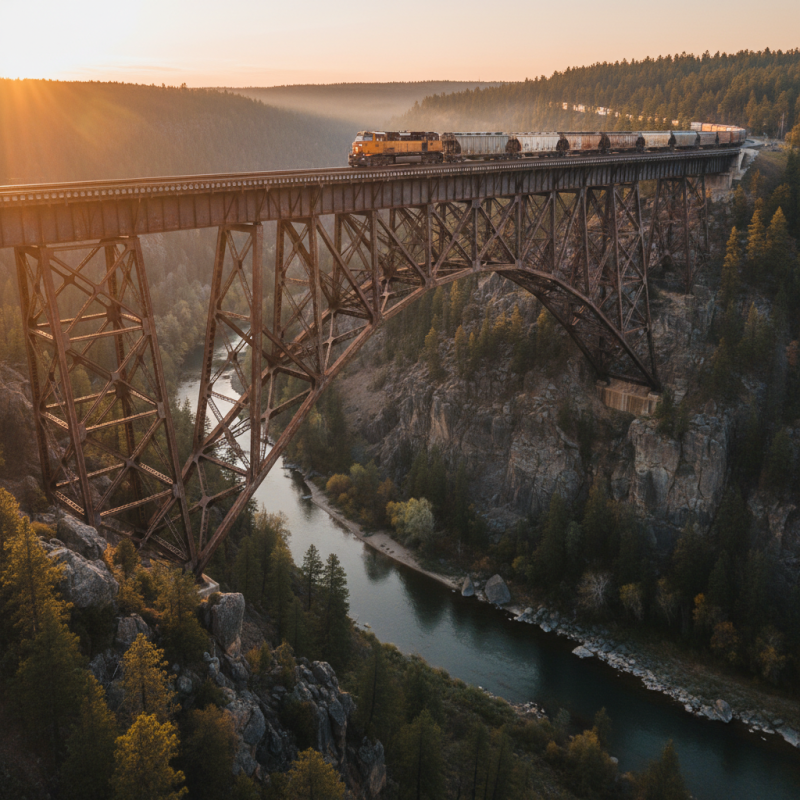
What Are Steel Trestle Legs and How Are They Used?
Steel Trestle Legs are important structures often used in various engineering applications. These legs provide support for bridges, railways, and platforms. Their design ensures stability and strength, crucial for structures that bear heavy loads.
In construction, Steel Trestle Legs must withstand many forces. They are often exposed to the elements, which can lead to rust and deterioration. Regular maintenance is essential. Engineers must evaluate the condition of these legs to ensure safety. A neglected leg can compromise an entire structure's integrity.
Understanding Steel Trestle Legs helps in appreciating their purpose. They might seem simple, yet their role is significant in engineering. Sometimes, overlooking their importance can lead to costly mistakes. Continuous improvement in design and materials is necessary to enhance performance and longevity.
Definition and Overview of Steel Trestle Legs
Steel trestle legs are vital components in the construction of support structures. They often form the base of trestle bridges or towers. These legs are designed to withstand heavy loads and provide stability. Made from high-strength steel, their durability allows them to resist various environmental factors.
The construction of steel trestle legs involves careful engineering. Each leg must be precisely fabricated to ensure it fits properly with other components. The design may seem simple, but it requires a deep understanding of physics and materials. In practice, many engineers find unexpected challenges during assembly. Mistakes can lead to wasted materials and time.
In addition, maintenance is crucial for steel trestle legs. Over time, they can suffer from wear and corrosion. Regular inspections can identify issues before they escalate. Some structures fail to undergo this scrutiny, leading to safety concerns. This emphasizes the need for a proactive approach in design, construction, and maintenance.
Steel Trestle Legs Usage in Various Industries
Historical Context and Evolution of Trestle Structures
Trestle structures have a fascinating history that reflects advancements in engineering. Initially used in the late 19th century, they were essential for supporting railways and bridges. The design evolved from simple wooden frameworks to robust steel constructions. This evolution symbolized the industrial age's emphasis on durability and efficiency.
Steel trestle legs play a crucial role in this context. They provide stability and strength to elevated structures. These legs are essential in maintaining the integrity of bridges and railways. Over time, their design has improved, accommodating heavier loads and harsher environments. Yet, some designs still face issues with corrosion and structural fatigue.
Tip: Regular maintenance is key. Inspect trestle legs for signs of wear and tear. Minor repairs can prevent major failures down the line.
The historical significance of trestles also highlights the interplay between necessity and innovation. Early engineers had to be resourceful with materials. They crafted solutions that are still relevant today, even if some designs need reevaluation for modern use. This ongoing journey of innovation inspires engineers to build even better structures.
Tip: Always consider local conditions. Materials that work in one environment may not suit another. Adapting designs to local needs can enhance longevity.
Material Properties and Structural Strength of Steel in Trestle Design
Steel is a fundamental material in various engineering applications, especially in trestle design. Its strength and durability make it an excellent choice for constructing trestle legs. The structural properties of steel allow it to withstand significant loads and resist harsh environmental factors. Engineers often select steel for its high tensile strength, which ensures stability and reliability.
In trestle design, the weight distribution is crucial. Steel trestle legs provide a solid foundation, ensuring safety while supporting heavy structures above. However, not all steel is created equal. Variations in composition can affect performance. Researchers and engineers must carefully consider these factors. They often run simulations to test steel’s behavior under varying loads.
Despite its many benefits, relying solely on steel can lead to potential oversights. Factors like corrosion and fatigue can compromise strength. Regular maintenance and inspections are essential in identifying weaknesses. Engineers need to be vigilant. A small oversight can lead to significant issues. Balancing the advantages of steel with its limitations requires careful planning and execution.
Applications of Steel Trestle Legs in Modern Construction Projects
Steel trestle legs serve vital functions in modern construction projects. They are often used to support railway tracks, bridges, and large structures. Their robust design provides significant stability. This stability is crucial in areas where ground conditions vary. The height and flexibility of trestle legs can also adapt to uneven terrain, making them invaluable for many projects.
In urban construction, steel trestle legs help create elevated walkways and transport systems. These elevated structures reduce congestion on the ground and improve accessibility. However, the installation process can be complex. Engineers often face challenges in aligning the legs correctly. Misalignment can lead to safety issues. Moreover, environmental factors influence their long-term performance, necessitating regular maintenance.
While steel trestle legs are essential, the materials used can sometimes be over- or under-estimated. Companies may either overspend on high-performance steels or undervalue simpler solutions. Striking the right balance is key. The decision must factor in both immediate needs and future sustainability. Continuous learning and adjustment are crucial as projects evolve with new technologies.
Safety Standards and Load-Bearing Capacities of Steel Trestle Legs
Steel trestle legs provide essential support for various structures. Their design must meet strict safety standards. The American Institute of Steel Construction (AISC) outlines load-bearing capacities. AISC standards often dictate that trestle legs support loads ranging from 3,000 to over 50,000 pounds, depending on the design and materials used.
Load-bearing capacity directly affects safety. Engineers must carefully calculate the weight, environmental factors, and use cases. A report by the Structural Engineering Institute (SEI) highlights that improper assessments can lead to failures. It's crucial to evaluate materials well. A miscalculation can cause significant damage or injury.
Many projects overlook maintenance, creating potential risks. Regular inspections can reveal wear and tear. Neglecting these checks can lead to catastrophic outcomes. Addressing these concerns early can save resources. Frequent assessments ensure that trestle legs perform at optimum levels. As safety remains a priority, understanding these factors is vital.