How to Source Functional Yarn for Your Business Needs?
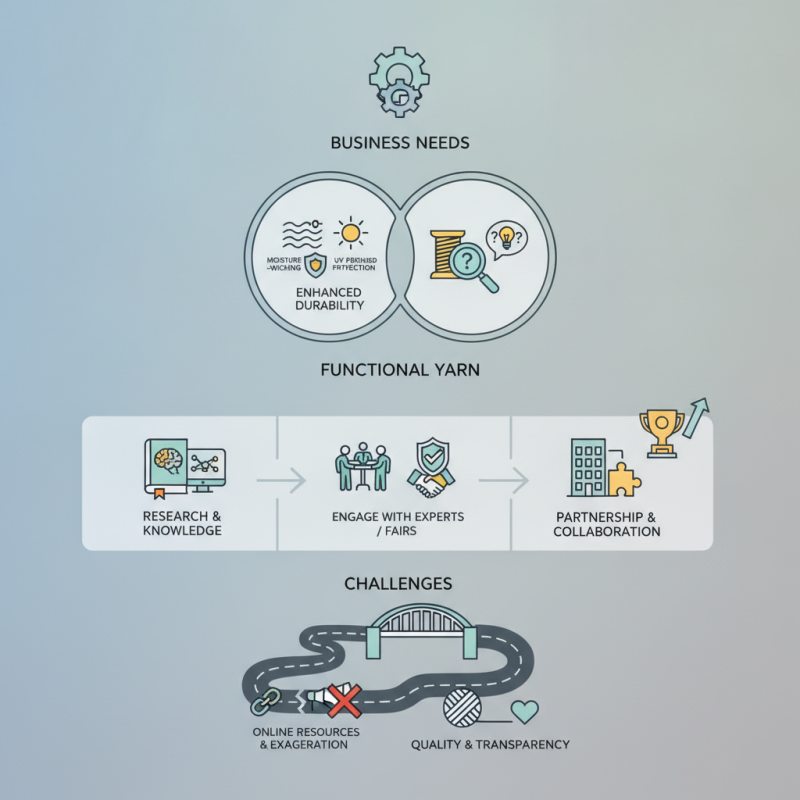
In today's competitive textile market, sourcing Functional Yarn is becoming increasingly essential for businesses. Functional Yarn serves various purposes, such as moisture-wicking, UV protection, and enhanced durability. Finding the right supplier can be challenging, especially with the vast array of options available. It’s important to evaluate not only the quality of the yarn but also the supplier’s understanding of your specific needs.
Many businesses encounter difficulties in sourcing Functional Yarn that meets their performance criteria. This challenge often stems from a lack of knowledge about the different types of functional fibers and their applications. Therefore, developing a strong understanding of the market and the available technologies is crucial. Engaging with experts or attending textile fairs can provide invaluable insights.
Relying exclusively on online resources may not be sufficient. Some suppliers may exaggerate the features of their yarns, leading to disappointment. To ensure success, conduct thorough research and possibly seek referrals. Establishing a partnership based on trust and transparency is key. This not only guarantees quality but also fosters collaboration for future projects.
Understanding Functional Yarn and Its Applications in Business
Functional yarn is becoming essential in various industries. It offers unique properties that enhance textiles, making them suitable for specific applications. Research shows that the functional yarn market is projected to grow significantly, with an expected CAGR of 8.4% by 2027. This growth underlines the rising demand for high-performance materials.
In sectors such as sportswear and healthcare, functional yarn plays a crucial role. For instance, moisture-wicking yarns keep athletes dry during intense workouts. They mitigate discomfort, improving performance. Likewise, antibacterial and antifungal properties in some yarns support health applications, especially in medical textiles. These features provide a competitive edge, as consumers increasingly seek innovation in fabric technology.
Navigating the sourcing process for functional yarn requires a clear understanding of your product needs. It's vital to evaluate suppliers based on reliability and innovation. Collaborating with suppliers who invest in R&D can yield superior materials. However, businesses must also reflect on supply chain sustainability. Environmental concerns are growing, prompting a shift toward eco-friendly options. Balancing performance with sustainability may be challenging but is essential for long-term business viability.
Identifying Your Specific Functional Yarn Requirements
Identifying your specific functional yarn requirements is crucial for a successful sourcing strategy. Start by assessing the intended application of the yarn. Consider whether you need moisture-wicking properties for athletic wear or thermal regulation for winter apparel. Each requirement dictates different fiber content and fabric construction.
Next, think about the end user's needs. Are they looking for comfort, durability, or eco-friendliness? Gathering insights from potential customers can provide invaluable feedback. Testing various yarns in sample runs helps observe their performance in real-world conditions. This iterative process reveals strengths and weaknesses you may not anticipate.
Make a list of essential features. Compile aspects like texture, flexibility, and dyeability. Reviewing industry standards and trends can further refine your search. Yet, remain open to unexpected attributes that may enhance your product. Sometimes, imperfections in texture or blend can lead to unique characteristics, sparking creativity. Balancing these elements ensures you source the right functional yarn for your business needs.
How to Source Functional Yarn for Your Business Needs? - Identifying Your Specific Functional Yarn Requirements
| Yarn Type | Functionality | Material Composition | Typical Applications | Supplier Availability |
| Moisture-Wicking Yarn | Wicking moisture away from the body | Polyester, Nylon | Athletic wear, Outdoor gear | Widely available |
| UV Protection Yarn | Provides UV protection | Polypropylene, Cotton blends | Swimwear, Summer clothing | Moderate availability |
| Anti-Microbial Yarn | Prevents bacterial growth | Polyester, Silver-infused fibers | Medical applications, Sportswear | Limited availability |
| Thermal Yarn | Retains body heat | Acrylic, Wool blends | Winter clothing, Insulated products | Readily available |
| Flame-Retardant Yarn | Resists ignition and burning | Fiberglass, Aramid | Protective clothing, Industrial applications | Niche suppliers |
Researching Potential Suppliers and Manufacturers
Researching potential suppliers and manufacturers for functional yarn is essential for your business's success. Start by identifying the specific type of yarn you need. Functional yarn can vary in properties, such as moisture-wicking, antibacterial, or UV protection. Be clear about your requirements to find suitable suppliers.
Utilize online platforms and industry forums to search for manufacturers. Look for profiles that showcase their expertise and capacity in yarn production. Engaging directly with suppliers can reveal important details about their processes and quality control measures. Request samples to test the yarn's functionality and durability. This step can save you from potential issues later.
Attend industry trade shows to gather insights and network. Meeting suppliers face-to-face can help build trust. Take notes on your conversations. Not all suppliers will meet your expectations, and some may lack transparency. Always verify their certifications and customer reviews. This diligence helps ensure you select the most reliable partners for your business.
Evaluating the Quality and Performance of Functional Yarns
Evaluating the quality and performance of functional yarns is crucial for making informed sourcing decisions. Start by examining the yarn's composition. Different materials can greatly influence durability, breathability, and moisture-wicking capabilities. For instance, synthetic blends may offer greater stretch and resilience compared to natural fibers. Conduct tests for shrinkage and abrasion resistance to ensure the yarn meets your product requirements.
Another important aspect is evaluating the functional properties. Look for yarns that have been treated for specific functionalities. These might include UV resistance, antimicrobial properties, or thermal regulation. Conducting wear tests can help assess how these characteristics perform in real-world applications. Interviews with manufacturers can also provide insights into their testing methods and quality control processes.
Additionally, consider the yarn's environmental impact. Many suppliers offer information about sustainability practices. Engaging in conversations about these practices can enhance your understanding of the product's lifecycle. This process is nuanced, with many variables at play. Relying on manufacturer claims without verification can lead to subpar sourcing. A comprehensive approach, including on-site visits to production facilities, may uncover hidden issues. Trust your instincts and cultivate partnerships that prioritize transparency.
Establishing Long-term Partnerships with Yarn Suppliers
Establishing long-term partnerships with yarn suppliers is essential for any business reliant on functional yarn. These relationships can enhance product quality and ensure supply chain stability. Research indicates that companies with strong supplier partnerships experience 20% lower inventory costs and 15% faster lead times. This benefit highlights the importance of selecting the right suppliers.
Communication is key in these partnerships. Regular engagement helps address concerns and align goals. However, many businesses overlook this aspect, leading to misunderstandings. A recent industry report showed that 70% of sourcing issues stem from poor communication. Companies should invest time in building relationships founded on transparency and trust.
Understanding market trends also plays a vital role. The yarn industry is evolving, with innovations in sustainable materials gaining traction. Suppliers with a proven track record in sustainability can enhance a brand's reputation. Yet, not all suppliers adapt quickly to changes. Businesses must evaluate suppliers not only on price but also on their commitment to innovation and sustainability to avoid potential setbacks.
