Why is Proper Commercial Beer Storage Essential for Quality?
Proper Commercial Beer Storage is crucial for maintaining the quality of the beverage. Many breweries and establishments overlook this key aspect. However, the way beer is stored can significantly impact taste and freshness. For instance, temperature fluctuations can alter the beer's profile. Warmth can lead to unwanted oxidation, which spoils the intended flavors.
Moreover, light exposure can also be detrimental. Beer bottled in clear or green glass is especially sensitive to light. Ultraviolet rays can cause "skunky" flavors that ruin the drinking experience. Thus, securing a dark, cool storage space becomes essential. Establishments must recognize that commercial beer storage is not merely a logistical function; it's a quality assurance practice.
A failure in storage protocols can lead to inconsistencies, disappointing customers. Investing in proper storage solutions is an investment in reputation. In an age of craft beer competition, every pint matters. Reflecting on storage methods may spark improvements that enhance quality and customer loyalty.
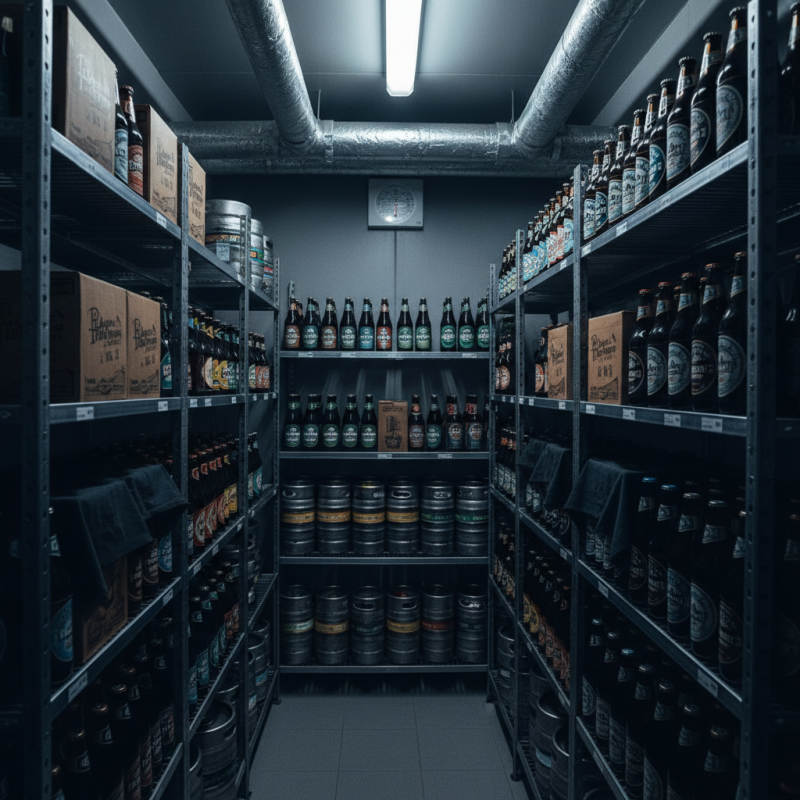
Understanding the Impact of Temperature on Beer Quality
Temperature plays a critical role in the quality of beer. Studies show that improper storage temperatures can significantly affect flavor, aroma, and overall freshness. The Brewer's Association recommends keeping beer between 45-55°F (7-13°C) for optimal flavor. Exceeding this range can lead to undesirable reactions in the beer’s chemistry.
When beer is stored at higher temperatures, it can develop off-flavors. For example, at temperatures above 60°F (15°C), oxidation occurs more rapidly. This can result in a cardboard-like taste. Additionally, light exposure can compound flavor degradation. A study indicated that beer exposed to light can exhibit skunky flavors in as little as 20 minutes.
Even slight fluctuations in temperature can be detrimental. Consistent temperature helps maintain beer integrity. Ideal storage should also avoid strong vibrations, as they can disturb the yeast and affect clarity. Many breweries are aware but still struggle with maintaining the right conditions. This inconsistency raises questions about the reliability of beer quality in the supply chain. The craft beer industry must continually prioritize proper storage practices to enhance consumer experience.
The Role of Light in Degrading Beer Flavor and Aroma
Light significantly impacts beer quality. Ultraviolet (UV) rays can quickly degrade both flavor and aroma. This process, known as "light-struck" or "skunky" beer, occurs when light interacts with specific compounds in hops. Reports indicate that even brief exposure can lead to noticeable off-flavors.
A study published in the Journal of Food Science found that beer stored under light conditions showed a 50% increase in undesirable flavors within just one week. Even well-designed packaging might not fully protect your beer from light exposure. Cans offer more protection than bottles, yet not all consumers are aware of this distinction.
Temperature is also crucial. Beer stored in warm conditions exacerbates light’s negative effects. Research indicates that temperatures above 55°F (about 13°C) can further accelerate the degradation of beer. Regular monitoring and diligent storage practices are essential for preserving beer quality. It’s a complex balance that requires attention and awareness from both retailers and consumers.
Impact of Light on Beer Flavor and Aroma
This bar chart illustrates the impact of different levels of light exposure on beer flavor degradation. As the light exposure increases, the degradation percentage significantly rises, highlighting the importance of proper storage conditions to preserve beer quality.
Why Humidity Control Matters in Beer Storage
Humidity control plays a vital role in beer storage, affecting both flavor and longevity. An ideal humidity level for beer storage is around 40% to 60%. Too little humidity can lead to corks drying out, exposing the beer to oxygen. This can result in oxidation, greatly altering the beer's taste. Overly humid conditions can encourage mold growth, which can spoil the beer and affect its quality.
According to the Brewers Association, proper storage conditions can enhance the shelf life of certain beers by up to three years. Factors like temperature and humidity make a significant difference. Fluctuations can degrade the beer and affect carbonation levels. High humidity may also alter packaging integrity, risking contamination.
Many breweries recommend using a hygrometer to monitor humidity levels during storage. This simple tool can provide valuable insights. Regular checks ensure that the conditions remain optimal. It’s essential to adjust storage practices based on seasonal changes. Neglecting these factors often leads to disappointing quality in the final product. Beer connoisseurs may notice that small changes in storage conditions can have large impacts on flavor.
Best Practices for Storing Different Beer Styles
Proper storage of beer plays a crucial role in maintaining its quality. Different styles of beer require specific conditions to preserve their unique flavors and aromas. For example, lagers thrive at cooler temperatures. They should be kept between 35°F and 45°F. On the other hand, ales prefer slightly warmer conditions, typically around 45°F to 55°F.
Humidity also matters. Ideal humidity levels should range between 40% to 60%. Low humidity can dry out bottle caps and cause oxidation. High humidity may encourage mold growth. Keep bottles upright to prevent oxidation while still allowing carbonation to develop properly.
For hoppy beers, such as IPAs, swift consumption is key. Their hop character diminishes over time. Store them away from light in a dark place. Light exposure can lead to a skunky taste. It’s essential to avoid fluctuations in temperature too. They can negatively affect the beer’s taste profile. While some may think beer can be stored indefinitely, that’s often a misconception, leading to disappointment when flavors deteriorate.
Why is Proper Commercial Beer Storage Essential for Quality? - Best Practices for Storing Different Beer Styles
| Beer Style | Ideal Storage Temperature (°F) | Light Sensitivity | Recommended Storage Duration |
| Lager | 45-55 | Moderate Sensitivity | 6 months |
| IPA | 50-55 | High Sensitivity | 3 months |
| Stout | 50-60 | Low Sensitivity | 1 year |
| Wheat Beer | 40-50 | Moderate Sensitivity | 6 months |
| Sour Ale | 50-60 | Moderate Sensitivity | 1 year |
Identifying Common Storage Mistakes and Their Consequences
Proper beer storage is crucial for maintaining quality. Many people overlook this aspect, leading to common mistakes. For instance, storing beer in a warm area can spoil its flavor. Heat causes chemical reactions that harm taste and aroma. Storing bottles upright is another frequent error. This position can lead to sediment buildup, affecting the beer's clarity.
Tips for proper storage: Always keep beer in a cool place, ideally between 45°F and 55°F. It helps preserve its integrity. Cross-check the expiration date. Outdated beer can be flat or develop off-flavors. Avoid exposing beer to sunlight. UV light can skunk the beer, diminishing quality.
Using the right containers is also vital. Glass is preferable, but cans offer better protection against light. Ensure the storage space is stable. Fluctuating temperatures can compromise quality. A designated beer fridge might be an investment, but it pays off in taste. Recognizing and correcting these mistakes can elevate your beer experience.
