Sorry, your browser is not supported. For a better experience, keep your browser up to date. Check here for latest versions
Makeup Eyeshadow is colored makeup applied to the eyelids to add definition, contrast, or a soft wash of color. It comes in powders, creams, sticks, liquids, and pressed pigments, each with a different feel and finish. Powder is often easy to blend, while cream formulas can offer quick, concentrated color. Neither is automatically better. Bobbi Brown, makeup artist and beauty entrepreneur, has said, “I believe all women are pretty without makeup—but with the right makeup can be pretty powerful.” Eyeshadow can be playful, subtle, or simply practical. Small details matter.
So, which type is best? It depends on your routine, eyelid texture, preferred finish, and how much blending you enjoy. A beginner might find a neutral powder palette forgiving; someone short on time may prefer a cream stick that swipes on easily. Oily lids can cause some formulas to crease, while shimmer may emphasize texture under certain lighting. There is no universal winner. Even careful advice has limits: the same shade can look different in daylight, at a desk, or beneath warm bathroom bulbs. This guide explains what Makeup Eyeshadow is, compares common formulas, and offers grounded ways to choose shades and textures for everyday wear or more defined looks. It also considers comfort, application, and wear time, so readers can weigh trade-offs rather than chase a single “best” product. A little experimentation helps. Start lightly, blend, and reassess in natural light.
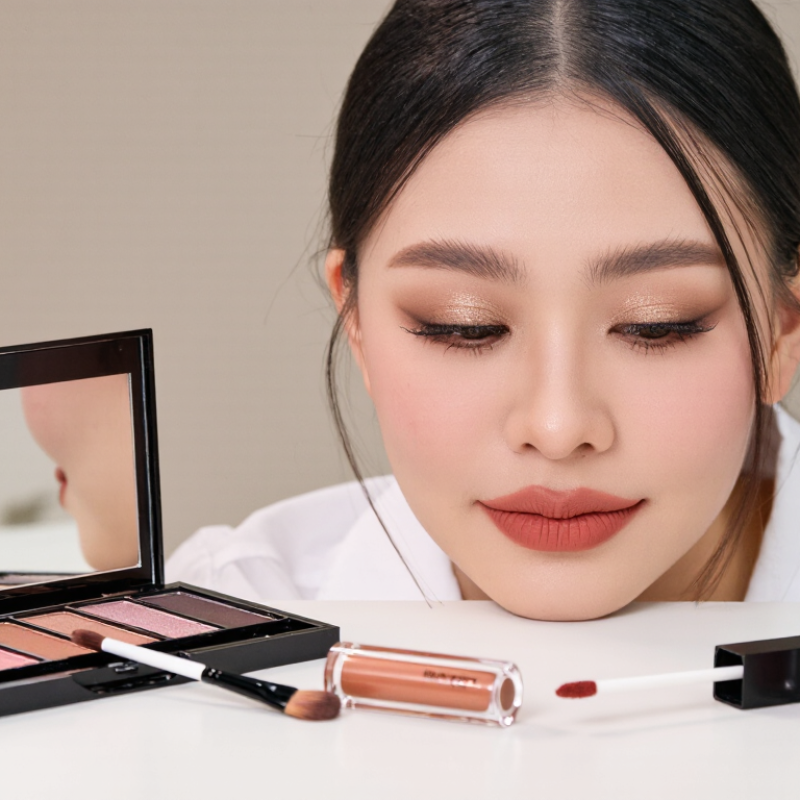
Makeup eyeshadow is a pigmented cosmetic applied to the eyelids to add color, definition, or dimension. It comes as powder, cream, liquid, and pencil formulas. Powder is easy to layer with a brush; cream often gives a softer, more concentrated finish. The best choice depends on your preferred texture, skill, and skin type. Start with a small amount. A light shade across the lid can brighten the eye, while a deeper shade blended into the crease adds shape. A clean, fluffy brush helps soften hard edges. Still, a color that looks subtle in its pan may appear surprisingly strong on the eyelid.
Eyeshadow is part of the wider makeup category, not a standalone measure of makeup use. Circana reported that U.S. prestige makeup sales rose 9% in 2023, reaching $10.6 billion; this figure covers makeup overall, not eyeshadow alone. For everyday wear, apply a thin layer and build gradually, checking the result in natural light. Cream formulas may crease on some eyelids, so a small amount of powder underneath can help. It is not a perfect fix. Avoid sharing eye makeup, and stop using a product if it causes irritation.
Eyeshadow is colored makeup applied to the eyelids to add shade, definition, or dimension. Powder, cream, liquid, and stick are common formats; the best choice depends on the finish and application you prefer.
How to read this chart: It shows approximate visible-light wavelength ranges associated with familiar shade colors, in nanometers. Matte finishes create a softer look, while shimmer and glitter finishes reflect more light.
Eyeshadow adds color and depth to the eyelids, and its texture affects how it applies and wears. Pressed powder is the familiar compact format: a brush picks up a controlled amount, making soft layers or blended gradients easier. Loose powder often feels lighter and can deliver strong color, but it may scatter onto the cheeks. Small detail matters. Tap excess from the brush before bringing it near the eye. Powder can emphasize dry or textured skin, especially when applied heavily.
Cream shadows usually come in pots or small pans. Their smooth texture works well with fingertips and can create a polished, slightly dewy finish. They may crease on oily eyelids, so a thin layer is often more comfortable than a thick one. Liquid shadows dry quickly and offer concentrated color; blending one eye at a time can help prevent uneven edges. Stick shadows are portable and convenient for quick application, though broad strokes can look patchy without gentle blending. Not always. The best format depends on the finish you want, your eyelid’s texture, and how much blending time you have. Test a small amount first, since a shade that looks sheer in the pan may appear much stronger on skin.
Eyeshadow is colored makeup applied to the eyelids, but its formula changes how it feels and behaves. Powder is familiar and easy to blend with a soft brush. It can also scatter beneath the eyes, especially when heavily layered. Cream formulas often feel smooth and offer richer color with less fallout. They may crease on oily lids, though, so a thin layer and primer can help.
Liquid and stick eyeshadows are convenient for quick application. Liquids can dry down fast, leaving less time to blend; sticks are portable but may tug if the product feels firm. There is no universally best formula. Dry lids may prefer a creamy texture, while oily lids often do better with a setting powder. Individual results vary.
Finish affects the look as much as texture. Matte shades have little visible shine and can add soft definition. Satin finishes catch a gentle glow, while shimmer and metallic shades reflect more light. Use a fingertip for concentrated shimmer, or a brush for a softer veil. Tiny differences matter. A reflective shade may emphasize lid texture, which is easy to miss under store lighting. Test color in natural light when possible, and notice how it looks after several hours.
| Category | Type | Typical characteristics | Advantages | Things to consider | Often best suited for |
|---|---|---|---|---|---|
| Eyeshadow formulas | |||||
| Formula | Pressed powder | Dry, compacted powder, usually applied with a brush or fingertip. | Easy to blend, layer, and combine; widely available in many shades and finishes. | May create some fallout, especially when heavily pigmented or applied with a loose brush. | Everyday looks, blended transitions, and flexible multi-shade eye looks. |
| Formula | Cream | Soft, pliable texture applied with a fingertip or brush; may set after application. | Can provide smooth, even color and quick application; some formulas work well as a base. | Some creams can crease before setting, particularly on oily eyelids; setting behavior varies by formula. | One-shade looks, quick application, or use as a base beneath powder shadow. |
| Formula | Liquid | Fluid color that typically dries down to a set film; often packaged with an applicator. | Can deliver concentrated color and a defined, even finish with little fallout after setting. | May dry quickly, so blending often needs to be done promptly; applying too much at once can look uneven. | Precise placement, bold color, and long-wearing looks when the formula sets well. |
| Formula | Stick or pencil | Solid, cream-like color applied directly to the eyelid, then blended if needed. | Portable and convenient; useful for quick application or lining and shading in one step. | Some formulas set quickly or feel too firm for easy blending; a heavy layer may emphasize creasing. | Travel, quick looks, and targeted placement along the lash line or lid. |
| Formula | Loose powder or pigment | Unpressed, finely milled color that can be applied with a brush or fingertip. | Can create intense color payoff and layered effects; the amount of product can be built gradually. | More prone to fallout and mess; a tacky base can help some pigments adhere. | High-impact color, detailed placement, and layered or artistic looks. |
| Eyeshadow finishes | |||||
| Finish | Matte | Little to no visible sheen; reflects less light than shimmer or metallic finishes. | Useful for soft definition, crease shading, and blending dimension into a look. | Texture and blending can vary; dry or uneven application may be more noticeable in some formulas. | Natural looks, transition shades, and adding depth or shape. |
| Finish | Satin | Subtle, smooth sheen between matte and more reflective finishes. | Adds gentle luminosity without the stronger sparkle of glitter finishes. | Can look different under varied lighting; the degree of sheen depends on the product. | Soft daytime looks and a low-key highlight on the lid. |
| Finish | Shimmer | Contains reflective particles that create a visible sparkle or glow. | Adds dimension and light-catching detail; can be applied over matte shades. | Some shimmer may transfer or create fallout; particle size and intensity vary. | Brightening the lid or adding a reflective accent. |
| Finish | Metallic | Strong, smooth-looking reflection that resembles the sheen of polished metal. | Creates a bold, high-impact look and can make lid color appear more vivid. | Application and texture vary; some formulas apply most evenly with a fingertip or a damp brush. | Statement lid color and evening or editorial looks. |
| Finish | Glitter | Visible, distinct reflective particles; may be suspended in a cream, gel, or powder base. | Provides pronounced sparkle and texture. | Can shed or migrate; use products intended for the eye area and follow their directions. | Accents and looks where noticeable sparkle is desired. |
How to choose: Formula describes the product’s texture and how it applies; finish describes how it reflects light. They are separate features, so a pressed powder, cream, or liquid shadow may come in different finishes. The best choice depends on the desired look, application preference, and how the formula wears on your eyelids.
Factors to Consider When Choosing Eyeshadow
The best eyeshadow depends on your skin, routine, and the finish you want—not just the shade. Powder is easy to blend and layer, while cream and stick formulas can feel quicker for a soft, one-colour look. Liquid shadows often dry down firmly, so they may need faster, more precise application. Texture matters. If your eyelids become oily, test whether a formula creases after several hours; if they feel dry or sensitive, check the ingredient list and try a small patch first. Stop using it if irritation develops.
Consider where and how long you will wear it. A sheer taupe may suit a workday, while shimmer can catch light on a small area of the lid. Matte shades can add definition without sparkle. Application tools matter, too: a fingertip works for many creams, but a clean brush can soften powder edges. Small detail, big difference. Avoid sharing eye makeup, and replace products according to their packaging guidance.
The category is broad and commercially significant: Grand View Research estimated the global eye makeup market at about 16.9 billion U.S. dollars in 2023. That figure describes market value, not product quality or what suits an individual. A careful comparison of wear time, comfort, ease of removal, and ingredients is more useful than popularity. And sometimes the first choice is wrong; test in daylight before committing to a full look.
Eyeshadow comes in several textures, and the best choice depends on your routine, desired finish, and comfort with blending. Powder shadow is easy to layer, soften, and combine across the lid. It suits beginners and people who like adjusting color gradually. Use a fluffy brush for a hazy wash, or a smaller brush near the lash line. Powder can scatter, though, so tap excess from the brush before applying.
Cream shadow works well when speed matters. A fingertip can spread it over the lid in seconds, leaving a smooth, often dewy finish. It may crease on oily lids, so try a thin layer; results still vary. Liquid formulas often deliver bold color with little blending, making them useful for defined looks or long days. They dry quickly. Work one eye at a time.
Pencils are handy for travel and precise placement, especially along the lash line or outer corner. Their firmer texture can tug, so use light strokes. Baked or pressed-pigment shadows may offer richer color, but they are not automatically easier to blend. Test shades in daylight when possible, and notice how they feel after several hours. The choice can be less clear-cut than tutorials suggest. There is no universal winner; the most practical option is often the one you will actually use.