What is a Laser Cutting Machine and How Does It Work?
laser cutting machines are revolutionizing the manufacturing industry. They offer precision, speed, and versatility. In fact, the global laser cutting machine market is expected to reach $6.5 billion by 2026, according to a recent report from Allied Market Research. This growth is driven by advancements in technology and increasing demand for personalized products.
These machines use focused laser beams to cut materials like metal, wood, and plastic. The process is efficient and leaves clean edges. However, many companies still struggle to fully utilize this technology. Training is often inadequate, and some workers lack the skills necessary for optimal operation.
While laser cutting machines are powerful tools, they also present challenges. Maintenance can be costly, and operational errors can lead to waste. Companies must invest in employee education and machinery upkeep to maximize the benefits. Adopting laser cutting technology requires careful consideration and strategic planning.
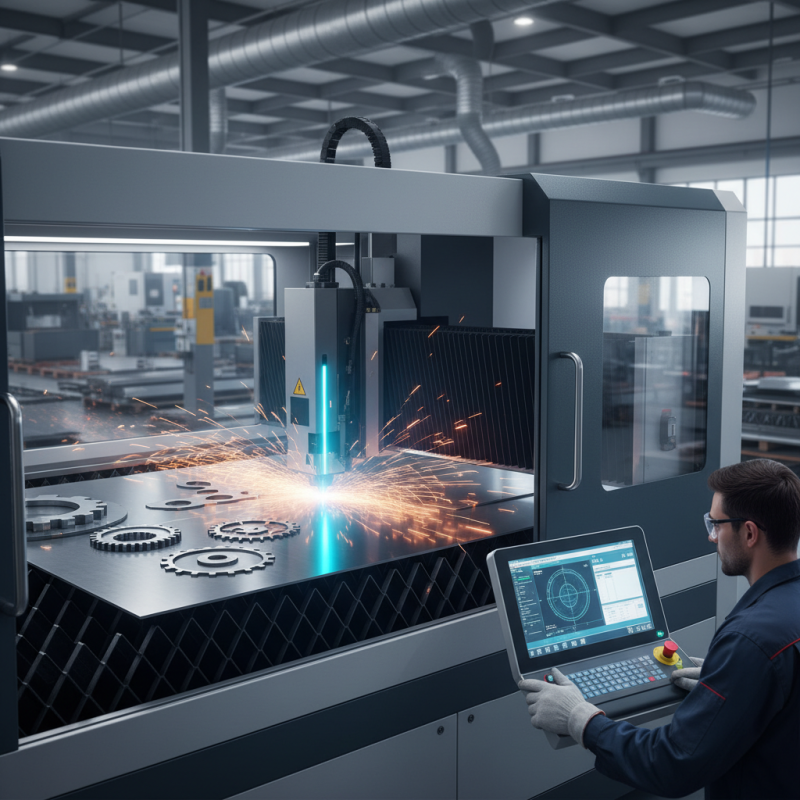
What is a Laser Cutting Machine?
A laser cutting machine is an advanced tool used in manufacturing. It employs a high-powered laser beam to cut through materials. The process is precise and efficient, making it a popular choice in many industries, including aerospace, automotive, and textiles. According to a report from Market Research Future, the global laser cutting machine market is expected to grow by 5% annually over the next five years. This growth indicates a strong demand for precision machining.
These machines work by focusing a coherent laser beam onto a material's surface. The intense heat melts or vaporizes the material, producing a clean edge. A combination of computer numerical control (CNC) technology and laser optics dictates the laser’s path, ensuring accuracy. However, not all materials respond well to laser cutting. For instance, reflective materials can pose challenges and require additional adjustments.
Tips: Always test new materials. Use samples to avoid costly mistakes. Furthermore, regularly calibrate your machine for optimal performance. Be aware that maintenance can vary based on usage intensity and environmental conditions. Small oversights can lead to significant errors, affecting production quality. It’s crucial to reflect on your cutting processes frequently and seek improvements.
The History and Evolution of Laser Cutting Technology
The history of laser cutting technology dates back to the early 1960s. Scientists first demonstrated laser cutting using high-powered light beams. The technology evolved rapidly. By the 1970s, industries began to adopt laser cutting for precision in manufacturing.
Today, laser cutting machines are vital in sectors like automotive and aerospace. A report by Market Research Future shows a projected growth rate of 6.5% from 2021 to 2027. Many manufacturers use CO2 lasers for thick materials and fiber lasers for metal cutting. Each type offers unique advantages.
Tips: Ensure you maintain your equipment regularly. Poor maintenance can lead to inconsistencies in cutting quality. Consider the material thickness before choosing your machine. Not all lasers cut equally well. The choice of gas can impact outcomes, too. Understanding these nuances is crucial for effective operation.
How Laser Cutting Machines Operate: The Process Explained
Laser cutting machines are versatile tools used in various industries. They operate by focusing a powerful laser beam onto the material, generating intense heat. This heat melts or vaporizes the material, allowing for precise cuts. Depending on the thickness and type of material, the process can vary.
The operation begins with a design fed into the machine. It interprets the design with high accuracy. Then, the laser beam moves along the defined path. This is where the magic happens. It can cut intricate patterns or shapes with amazing precision. Sometimes, the results can be spectacular. However, achieving the desired outcome requires careful calibration. Small errors in settings can lead to poor cuts or wasted materials.
Materials like metal, wood, and plastic are commonly used. Each requires different settings. Underestimating these differences can lead to flaws. The speed and power of the laser play crucial roles in achieving clean edges. Additionally, using improper materials could result in burnt or warped pieces. There’s a learning curve involved, and mistakes are part of the journey.
Key Applications of Laser Cutting Machines in Various Industries
Laser cutting machines have become essential in various industries today. Their precision and efficiency offer significant advantages in manufacturing, design, and customization. In the automotive sector, laser cutting excels in shaping vehicle components with exact specifications. Designers appreciate its ability to create intricate shapes, minimizing waste. Yet, challenges arise in adjusting settings for different materials.
In the aerospace industry, the need for lightweight and durable parts is crucial. Laser cutting allows for complex designs while maintaining structural integrity. However, not all materials yield the same results, prompting experts to continuously refine their techniques. In textile and fashion, it enables detailed patterns on fabrics, yet designers must carefully consider edge finishes to avoid fraying.
The medical field also benefits from laser cutting, particularly in producing surgical instruments. The precision ensures high standards for safety and effectiveness. However, the high costs of equipment may limit accessibility for smaller practices. Each sector faces unique hurdles, requiring constant innovation and adaptation for optimal outcomes.
What is a Laser Cutting Machine and How Does It Work? - Key Applications of Laser Cutting Machines in Various Industries
| Industry | Application | Materials Used | Advantages |
| Manufacturing | Cutting metal components | Aluminum, Steel, Copper | High precision, Fast processing |
| Automotive | Parts fabrication | Plastics, Composites, Metals | Reduced material waste, Complex designs |
| Aerospace | Manufacturing lightweight parts | Titanium, Alloys | High accuracy, Stronger parts |
| Textiles | Fabric cutting | Cotton, Nylon, Leather | Clean edges, Speed |
| Electronics | Circuit board cutting | Copper, FR4, Polyimide | Precision, Minimal thermal distortion |
Benefits and Limitations of Using Laser Cutting Technology
Laser cutting technology has transformed various industries, offering precise and efficient solutions. Its ability to cut materials like metal, wood, and plastics makes it highly versatile. According to a 2023 report from the International Laser Cutting Association, the global laser cutting market is expected to reach $7 billion by 2025. This growth is driven by advances in laser technology and increasing demand for high-quality manufacturing.
However, laser cutting is not without its challenges. The initial investment for equipment can be high, deterring some small businesses. Additionally, the process may create heat-affected zones on materials, causing unwanted alterations. Research indicates that 30% of users reported difficulties with material thickness variations. This inconsistency can lead to wasted materials and longer production times.
Moreover, while laser cutting offers precision, it is less effective for softer materials or complex shapes. Some materials may produce toxic fumes during cutting, posing health risks. Addressing these issues requires careful planning and consideration. Companies must weigh the benefits against these limitations to maximize the efficiency of laser cutting.
