Sorry, your browser is not supported. For a better experience, keep your browser up to date. Check here for latest versions
Choosing Makeup Remover Wipes for wholesale is not just a price comparison. Buyers need products that feel pleasant, perform consistently, and arrive in dependable packaging. The wider beauty market offers useful context. McKinsey’s 2023 beauty-market analysis projected annual growth of about 6% through 2027, reaching roughly $580 billion. Circana reported that U.S. prestige beauty sales grew 14% in 2023, while mass-market sales increased 6%. These figures describe broader beauty markets, not makeup-remover wipes specifically. Still, they show why retailers need clear product positioning and reliable supply.
For wholesale buyers, start with the details customers notice: wipe softness, cleansing performance, moisture level, scent, and pack size. Then review ingredient information, material specifications, manufacturing consistency, and quality-control documentation with the supplier. Ask for samples. Test them on different makeup types and skin routines before placing a large order. Details matter. Compare unit cost alongside case quantity, shelf life, packaging durability, and shipping terms; a low quoted price can hide avoidable costs. Sustainability claims also deserve scrutiny. Request specific material or sourcing evidence rather than relying on broad labels. No single wipe suits every buyer, and market growth does not guarantee product success. A practical wholesale choice balances customer fit, documented quality, and a supply plan that holds up after the first shipment.
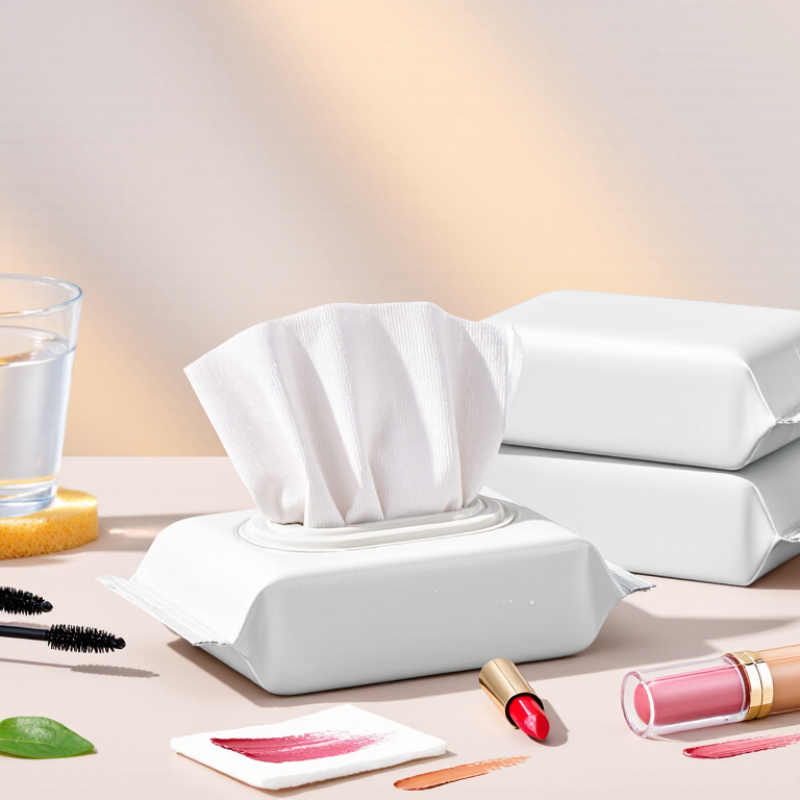
Wholesale planning begins with a clear picture of who will use the wipes and where they will be sold. A travel shop may need compact packs that fit beside a checkout. A beauty retailer may prefer larger counts for regular home use. Ask buyers about pack size, expected order volume, shelf space, and target price before requesting quotes. Small details matter. A thick, textured wipe can feel more substantial, but it may raise material and shipping costs. A lighter wipe may suit value-focused customers, though it can feel less durable.
Define product requirements with the customer in mind. Consider skin sensitivity, fragrance preference, wipe dimensions, and whether customers want to remove everyday makeup or heavier products. Review the ingredient list and request relevant product testing and quality documents from suppliers; do not rely on broad claims alone. Order samples and check how the wipes feel, hold moisture, and dispense from the pack. This step takes time. I have seen buyers focus on unit price and overlook carton size, then find storage awkward. It is worth comparing landed cost, minimum order quantities, lead times, and packaging options against your actual sales plan. A simple buyer checklist can help, but real customer feedback may still challenge your assumptions.
For wholesale makeup remover wipes, compare the material as well as the price. Spunlace nonwovens can combine softness with usable strength, but the fiber blend and fabric weight affect the feel. Cellulose-rich wipes may feel gentle, while synthetic fibers can help the sheet hold together when wet. Performance varies by construction. Feel it dry. Then test it wet.
Texture changes how a wipe cleans. A lightly embossed surface may lift foundation and sunscreen with fewer passes, while a smooth sheet can feel gentler on delicate areas. Neither texture guarantees better cleansing. Test with realistic makeup on a forearm or sample surface, and note how many swipes are needed. Check whether the wipe pills, sheds fibers, or leaves a slippery film. Avoid judging only by the first swipe.
For bulk orders, compare samples from several production runs when possible. Look for consistent sheet size, lotion distribution, and seam strength, then check that the pack stays moist after opening. A thicker wipe may feel more premium, but it can also use more lotion and raise shipping costs. That trade-off is easy to miss. A short trial with different users can reveal preferences, though feedback may vary with skin type and makeup habits.
Compare common wipe constructions across softness, wet strength, and makeup pickup.
Scores are a practical 1–5 selection guide based on typical material and texture trade-offs, not standardized laboratory results. Actual performance depends on fiber blend, embossing, lotion formula, and wipe weight. Request samples and test them with the intended makeup types before ordering wholesale.
For wholesale buyers, ingredient review should begin with the full INCI list, not a “gentle” claim on the carton. Check the cleansing agents, fragrance, preservatives, and moisturizing ingredients, then request current product specifications and safety data. A wipe may feel soft in the hand yet leave tightness around the eyes after repeated use. That detail is easy to miss during a quick sample review.
Skin compatibility depends on the intended user and area of use. Fragrance-free options may suit more sensitive shoppers, but they are not automatically irritation-free. For facial or eye-area wipes, request documented dermatological or ophthalmological testing and review what the tests actually covered. Patch tests matter. Ask whether the wipe material and lotion were assessed together; testing only the liquid gives an incomplete picture.
Safety checks should include microbial controls, shelf-life evidence, packaging integrity, and batch traceability. Request recent test reports, ingredient change controls, and confirmation that labels match the formula shipped. Requirements vary by market, so have compliance staff verify the rules in each destination before placing a large order. Avoid vague “hypoallergenic” claims without supporting evidence. Smell, residue, and drying time are practical checks, too. A neat specification sheet cannot predict every user’s reaction, so a controlled pilot may reveal issues that samples alone miss.
Wholesale buyers should judge a makeup remover wipe supplier by repeatable controls, not a polished sales sample. Ask for recent audit records, quality procedures, and batch documents linking finished packs to production dates. Check that each certificate is current, issued by a verifiable organization, and covers the actual factory and product category. A logo alone proves little. Request examples of complaint handling, delivery performance, and corrective actions; specific records matter more than promises. If details are delayed, ask why.
Before a large order, compare pilot batches for scent, cloth strength, moisture level, and seal integrity. Open several packs after storage; a dry corner or leaking lid can be easy to miss in a showroom. Custom options may include wipe dimensions, substrate, lotion feel, pack count, artwork, and carton configuration. Confirm minimum quantities, sample approval steps, lead times, and change-control rules in writing. Ask whether formula or material changes require fresh testing and updated documents. It is easy to overvalue a perfect sample; production consistency deserves more attention. A low quote can look attractive, but it may leave important questions unanswered. What happens when a batch misses specification?
| Evaluation dimension | What to assess | Evidence to request | Practical wholesale check |
|---|---|---|---|
| Manufacturing experience | Experience producing wet wipes and handling cosmetic formulations, filling, sealing, and batch release. | Facility overview, product-category history, manufacturing process flow, and recent production examples with confidential details removed if needed. | Confirm the supplier makes the product type in-house or clearly identifies any subcontracted steps. |
| Quality management | Documented procedures for incoming materials, production checks, finished-product release, complaints, and corrective actions. | Current quality-system certificate, scope and site details, audit summary, sample batch records, and complaint-handling procedure. | Check that any certificate is current and covers the actual manufacturing site and relevant activities; certification does not replace product testing. |
| Cosmetics GMP | Controls for hygiene, personnel, premises, equipment, production, storage, and documentation. | Evidence of cosmetics GMP implementation; where applicable, a current ISO 22716 certificate or independent audit report. | Verify the certificate scope, issuing body, validity, and facility address. ISO 22716 is a cosmetics GMP guideline, not proof that every product is compliant. |
| Product safety and stability | Microbiological quality, preservative effectiveness where appropriate, formula stability, packaging compatibility, and intended-use safety. | Relevant test reports, test methods, sample details, dates, and laboratory information; request reports for the proposed formula and pack format. | Ask how the supplier substantiates shelf life and prevents contamination after opening. Testing needs depend on the formula, packaging, and destination market. |
| Regulatory readiness | Ability to provide documentation and support labeling and market-specific cosmetic obligations. | Ingredient list using accepted nomenclature, product specifications, safety documentation, label review support, and applicable market records. | For EU/EEA sales, confirm arrangements for the responsible person, safety assessment, product information file, and required notification. For US sales, confirm applicable MoCRA obligations and any exemptions; requirements depend on the product and business. |
| Traceability and recall readiness | Ability to trace ingredients and packaging to finished batches and respond to quality incidents. | Batch-coding method, traceability procedure, sample recall records, and documented escalation contacts. | Ask the supplier to explain how a finished batch can be linked to its key raw-material lots and production records. |
| Substrate and wipe performance | Substrate composition, softness, strength when wet, sheet dimensions, lotion loading, and makeup-removal performance. | Substrate specification, ingredient and material disclosures, product samples, and test results supporting any performance claims. | Evaluate samples for cleansing, residue, fragrance, skin feel, sheet integrity, and compatibility with the intended user group. |
| Order capacity and lead time | Available production capacity, raw-material availability, seasonal constraints, and ability to meet delivery dates. | Written quotation showing MOQ, production lead time, sample lead time, capacity assumptions, and shipment terms. | Compare written quotations rather than relying on generic industry figures; lead times and minimum orders vary by formula, packaging, and order size. |
| Communication and delivery reliability | Clarity, response time, issue escalation, shipment planning, and consistency between promised and actual performance. | Named account and quality contacts, order milestones, shipment updates, and references where available. | Use a small initial order or pilot run to evaluate documentation quality, sample-to-production consistency, and communication. |
| Formula customization | Options for fragrance-free or fragranced formulas, cleansing agents, moisturizers, and other requested formula features. | Available formulation options, ingredient disclosures, development fees, sample plan, testing plan, and change-control process. | Confirm whether a request uses an existing base formula or requires development, and agree on approval criteria before production. |
| Packaging and private label | Pack sizes, closure options, artwork support, labeling languages, and print consistency. | Packaging specifications, artwork template, print proof, component samples, and confirmation of who owns supplied artwork and tooling. | Approve a production-representative proof and packaging sample; check seal integrity, dispensing, legibility, and required label details. |
| Environmental claims and materials | Substrate and packaging composition, sourcing claims, and the evidence supporting environmental statements. | Material declarations, supplier documentation, and relevant chain-of-custody or claim substantiation where applicable. | Do not treat terms such as “biodegradable” or “plastic-free” as self-verifying; request evidence that matches the exact material and claim. |
Note: Certification, testing, labeling, and registration requirements vary by product and destination market. Verify current requirements with the relevant regulator or a qualified compliance professional.
When comparing wholesale makeup remover wipes, look beyond the quoted price per pack. Calculate the cost per usable wipe, including freight, outer cartons, and any custom-printing fees. A low unit price can hide thin, fragile packaging or a smaller wipe count. Ask for a written quote at several order volumes. Compare like with like.
Packaging affects storage, shelf presentation, and product condition. Check the pouch seal, opening tab, wipe dimensions, and stated contents. Request samples and inspect them after repeated opening; a tab that stops resealing is a small problem until cartons sit in a warm warehouse. It is easy to focus too much on appearance. Practical details matter more.
Minimum order quantities can vary by packaging format, print option, and production run. Confirm whether the MOQ applies per scent, pack size, or total order. Get lead times in writing, including production, dispatch, and estimated transit. Ask how delays are communicated and whether split shipments are available. Delivery terms need plain answers: who arranges freight, which charges may change, and what happens if cartons arrive damaged. Leave room in your schedule. Supplier estimates are not guarantees, and a buyer should allow a buffer before a promotion or seasonal reset.