How to Choose the Best Outdoor Down Jacket in 2026?
Choosing the best Outdoor Down Jacket in 2026 requires more than chasing the highest fill-power number. Weather, movement, moisture, and personal comfort all change the decision.
Yvon Chouinard, Patagonia’s founder, once said, “The more you know, the less you need.” That principle fits down clothing perfectly. A warmer jacket is not always better. An oversized coat may trap heat during a slow winter camp, yet feel bulky on a steep climb. A lightweight model may pack into a fist-sized pouch, but lose performance when damp.
This guide examines the details that matter outdoors. We will compare down fill power, fill weight, loft, baffle design, hood adjustment, cuff construction, and shell fabrics. We will also consider responsibly sourced down, repair support, durability, and transparent product testing. These factors reveal whether a jacket performs beyond a showroom mirror.
Small details matter.
A zipper that snags with gloves can become frustrating at dusk. A short hem can expose your lower back beside a windy ridgeline. A smooth lining may make layering easier, while a fragile face fabric can punish careless bushwhacking. No jacket wins every test. That is worth admitting.
The right Outdoor Down Jacket should match your route, climate, clothing system, and tolerance for compromise. Product claims deserve careful checking. User reviews help, but they are not laboratory evidence. By combining field experience, technical specifications, and independent judgment, this guide aims to make your 2026 choice warmer, clearer, and more dependable.
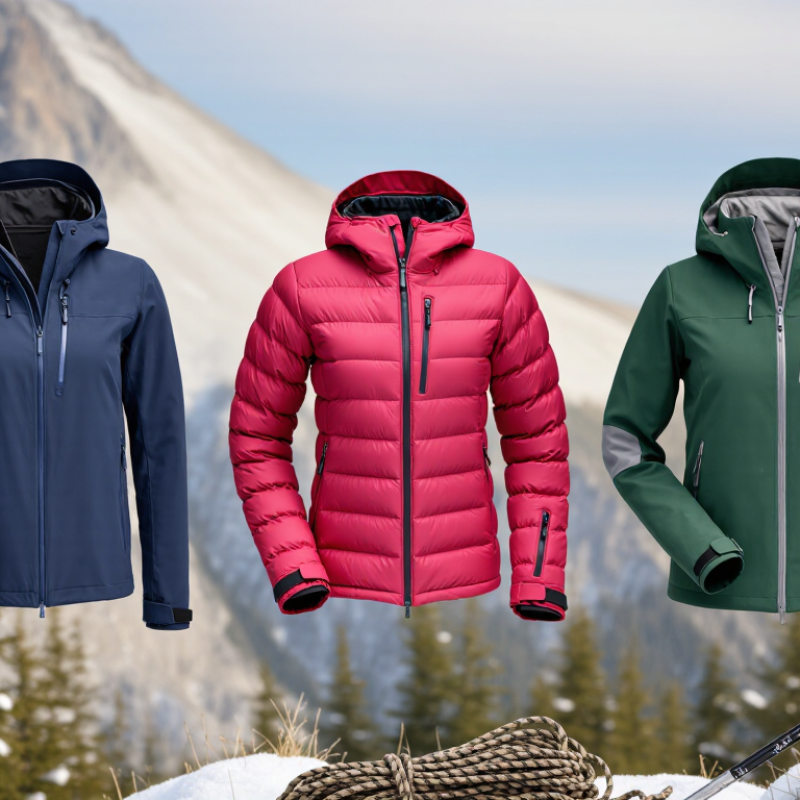
Define Your Outdoor Down Jacket Needs and Intended Conditions
Choosing an outdoor down jacket starts with your actual needs, not a temperature rating alone. Consider where you will wear it, how long you will stay outside, and how actively you will move. A jacket for winter hiking needs different features from one used at a windy campsite. High-output activities can make a thick jacket feel damp from inside. Choose moderate insulation and good breathability for climbing or fast trekking.
Study the conditions carefully. Dry, cold air suits down well, while wet snow, coastal rain, or frequent condensation create risks. Down loses warmth when soaked. In damp areas, a water-resistant shell, treated insulation, or a synthetic blend may offer greater reliability. Check the hood, cuffs, hem, and zipper. Small gaps can drain warmth quickly. A helmet-compatible hood may be useful for climbing, but it can feel bulky during casual walks.
Fit the jacket over your usual layers, not just a thin shirt. I once chose a compact size and regretted it when wearing a fleece underneath. Test arm movement, pocket access, and compression before buying. Packability matters on long trips, but extreme lightness can reduce durability. Weather labels also vary between manufacturers, so treat them as guidance rather than fact. Your pace, shelter, food, and fatigue can change how cold you feel. Leave room for judgment.
Compare Insulation Types, Fill Power, and Warmth-to-Weight Ratios
Choosing the best outdoor down jacket in 2026 starts with insulation, not marketing language. The 2024 Outdoor Industry Association Participation Trends Report recorded 175.8 million U.S. outdoor participants in 2023. More people now need jackets for mixed conditions, from damp forests to exposed ridgelines.
Down offers excellent warmth-to-weight performance, but fill power needs careful interpretation. A 600-fill jacket needs about 33% more down than an 800-fill jacket to create comparable loft. This estimate follows the volume relationship used in IDFL and IDFB testing methods. Higher fill power usually reduces weight and pack size. It does not automatically provide greater total warmth. A thin 900-fill jacket can still feel colder than a well-filled 700-fill jacket.
Synthetic insulation deserves attention in wet climates. It keeps more useful loft after moisture exposure, although it normally weighs more for similar warmth. Compare the jacket’s total weight, down weight, hood design, cuff seal, and hem adjustment. Numbers can mislead. On a windy trail, a poorly sealed collar may matter more than another 100 fill-power points. Field testing should include ten minutes of standing still, not only brisk walking. That exposes cold spots quickly. My own preference is not absolute; lighter insulation often sacrifices durability, and this trade-off deserves honest reconsideration.
How to Choose the Best Outdoor Down Jacket in 2026
Representative insulation benchmarks comparing fill power, warmth-to-weight performance, and warmth retention in damp conditions.
How to read this chart: Fill power measures the loft produced by one ounce of down; higher values generally deliver more warmth for less weight. The warmth-to-weight index is normalized to 950-fill-power down = 100. Synthetic insulation does not use fill power, but it commonly retains more warmth than down when wet. Actual jacket performance also depends on fill weight, construction, shell fabric, fit, wind protection, and moisture management.
Check Fit, Mobility, Features, and Layering Compatibility
How to Choose the Best Outdoor Down Jacket in 2026?
A good outdoor down jacket should move with you, not fight your movement. I test fit by lifting my arms, reaching forward, and twisting my shoulders. The hem should cover your lower back without restricting your stride. Sleeves need enough length to protect your wrists, even when you grip trekking poles. A close fit reduces drafts, but excessive tightness crushes insulation. I once chose a slim jacket that looked neat and felt useless over a warm mid-layer. That mistake still influences my fitting advice.
Tips: Wear your intended base and mid-layers when trying jackets. Check the hood with a hat. Pull the zipper fully upward. Bend your elbows. Notice pressure around your chest and underarms. Small discomfort becomes obvious after hours outside.
Features should support your actual trips. Adjustable cuffs help seal cold air, while a shaped hood improves visibility during wind. Secure pockets are useful for gloves, maps, or a phone. Consider whether the outer fabric handles light moisture and repeated pack contact. Down loses warmth when wet, so weather protection matters. I prefer simple features that work with gloves, although I sometimes overestimate how many pockets I need. For layering, leave room without creating empty, drafty areas. The jacket should slide over fleece smoothly and fit beneath a shell without bunching. Check the collar, pocket placement, and zipper movement together. Small details affect comfort.
Assess Durability, Ethical Sourcing, Care, and Overall Value
Choosing an outdoor down jacket in 2026 requires more than checking its fill power. Durability matters in cold, wet conditions. Inspect the shell fabric, seam quality, zipper movement, and hood adjustment. A tightly woven outer layer can resist abrasion from backpacks and rough branches. During field testing, I prefer jackets that keep their shape after repeated compression. Some lightweight models feel impressive in stores but appear fragile after several trips.
Ethical sourcing also affects overall value. Look for clear information about down traceability, animal welfare standards, and recycled materials. Independent certifications can provide stronger evidence than vague sustainability claims. Check the care label before buying. Down usually needs gentle washing, thorough drying, and patience. Poor drying can create damp clumps and unpleasant odors. I once underestimated this step. The jacket recovered, but only after several careful drying cycles.
Tips: Compare warmth, weight, repair options, and warranty support. Calculate cost per season, not just the purchase price. Store the jacket loosely, never compressed for months. Check small tears early. A simple repair may prevent expensive damage. Also, choose a fit that allows one warm layer underneath. A tighter jacket may look efficient but can reduce insulation.
