What is Food-Grade Packaging and Why is it Important?
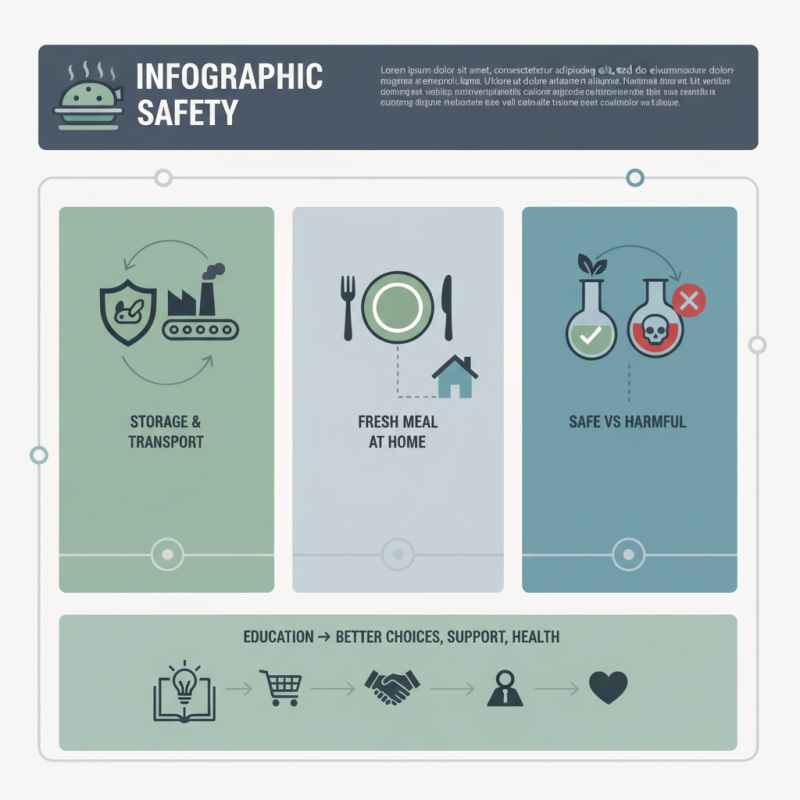
Food-Grade Packaging plays a vital role in the safety of our food supply. This packaging type is designed to meet strict health and safety standards. It ensures that food products remain uncontaminated during storage and transport. Imagine a fresh meal arriving at your home in clean, safe wrapping. That's the importance of food-grade materials.
However, many people overlook these standards. Not all packaging is created equal. Some materials can leach harmful substances into food. It's crucial to choose the right packaging to protect health. Food-Grade Packaging materials are often marked clearly, but not always. This inconsistency can lead to confusion. Awareness is key.
When we understand the significance of food-grade packaging, we can make better choices. With proper education, consumers can demand safer options. It’s about more than just convenience; it’s about our health and safety. Everyone deserves access to safe food packaging. Let's reflect on how we can support these standards in our daily lives.
What Defines Food-Grade Packaging and Materials Used
Food-grade packaging is essential for ensuring the safety and longevity of food products. It comprises materials specifically designed to protect food from contamination. These materials must meet stringent regulations. For example, many countries mandate that food packaging must pass tests for harmful substances. According to a report by the Food and Drug Administration (FDA), only certified materials can touch consumables.
Common materials used in food-grade packaging include polyethylene, polypropylene, and paper. These materials are chosen for their barrier properties. They help to maintain freshness while preventing moisture and oxygen from degrading food quality. Interestingly, the global food packaging market is projected to reach $500 billion by 2028, highlighting its significance in the industry.
Tip: Always check for certifications on food packaging. These labels ensure that materials used are safe.
Tip: Consider the environmental impact of packaging. Biodegradable options are increasingly available. They can support sustainability efforts while maintaining food safety.
Food packaging is a crucial element of the food supply chain. Sometimes, standards can vary. Not all products labeled as food-safe truly meet the required criteria. Awareness of these differences is important for consumers and producers alike.
Key Regulations Governing Food-Grade Packaging Standards
Food-grade packaging is crucial for maintaining the safety and quality of food products. Various regulations govern its standards. For instance, the FDA and EU directives outline specific requirements. They must ensure that materials in contact with food don't leach harmful substances. In 2020, the global food packaging market was valued at approximately $400 billion, with a projection to reach $500 billion by 2027. This represents an increasing demand for safe packaging solutions.
Key regulations include compliance with GMP (Good Manufacturing Practices). These guidelines ensure that food packaging materials meet safety standards. Additionally, certifications like ISO 22000 focus on food safety management systems. Non-compliance can lead to significant risks. A recent report showed that 10% of foodborne illnesses are linked to packaging failures. Manufacturers must prioritize food-grade materials. However, many still struggle with the complexities of regulations.
Awareness is growing, yet challenges persist. The balance between cost and compliance remains delicate. Some companies may cut corners to save money. This raises questions about accountability. As regulations evolve, the packaging industry must adapt swiftly. It’s critical to ensure the integrity of food products. Adhering to food-grade packaging standards is not just a legal obligation, but a necessary commitment to public health.
The Role of Food-Grade Packaging in Ensuring Food Safety
Food-grade packaging plays a vital role in maintaining food safety. This type of packaging is designed specifically for food contact. It prevents contamination from external sources. High-quality materials are crucial. They help in preserving freshness and flavor. For example, vacuum-sealed bags extend the shelf life of meats and vegetables.
The importance of proper packaging cannot be overstated. Poorly designed packaging can lead to spoilage. This can pose serious health risks to consumers. Many people overlook the hazards of using non-food-safe materials. Plastic wraps and containers may leach harmful substances. Consumers must choose wisely when buying food products.
Labels on packaging offer essential information. They guide consumers on safe storage and usage. However, not all labels are clear or informative. This often leads to confusion. An informed choice is essential for safety. It is crucial to be vigilant about what we consume. Packaging is more than a barrier; it’s a protector of health.
Economic Impact of Food-Grade Packaging on the Food Industry
Food-grade packaging plays a critical role in the food industry. It ensures that products remain safe for consumption while maintaining their quality. According to a recent report from the Food Packaging Association, the global market for food-grade packaging is projected to reach USD 500 billion by 2028. This growth highlights the increasing importance of proper packaging solutions in our daily lives.
The economic impact of food-grade packaging is significant. Efficient packaging reduces food waste, which is a pressing global issue. The Food and Agriculture Organization estimates that approximately one-third of all food produced is wasted. By using quality food-grade materials, companies can protect products from spoilage, leading to potential savings of USD 1 trillion annually across the industry. However, not all companies prioritize packaging innovation, which can result in missed opportunities.
Furthermore, sustainable packaging practices are becoming essential as consumers demand environmentally friendly solutions. Studies show that over 60% of consumers consider packaging materials when making purchasing decisions. Companies that adapt to these demands could gain a solid competitive advantage. While there is progress, many still have outdated practices that need reflection. Focusing on improving food-grade packaging can enhance both safety and profitability in the food sector.
What is Food-Grade Packaging and Why is it Important?
| Dimension | Description | Economic Impact |
| Materials Used | Plastic, Glass, Metal, Paper | Plastic dominates market share |
| Market Size | Estimated at $250 billion globally | Continued growth expected |
| Regulations | FDA and USDA standards in the U.S. | Compliance drives costs |
| Sustainability Trends | Increase in biodegradable options | Potential for cost savings |
| Consumer Awareness | Rise in demand for safe packaging | Impact on brand loyalty |
Future Trends and Innovations in Food-Grade Packaging Solutions
The future of food-grade packaging is rapidly evolving. Innovative materials are being developed with sustainability in mind. Biodegradable plastics are gaining traction. They break down faster than traditional plastic, reducing environmental impact. Consumers are becoming more eco-conscious, pushing brands to adapt.
Smart packaging is another exciting trend. This technology can monitor freshness and safety. For instance, indicators change color when food deteriorates. This feature enhances food safety and reduces waste. However, the integration of technology raises concerns over cost and accessibility. Not every business can afford high-tech solutions.
In addition, minimalist packaging is gaining popularity. It stresses simplicity and reduces excess waste. This approach challenges conventional design norms. While it meets consumer demand for sustainability, it can also lead to oversights in protection and branding. Balancing functionality with eco-friendliness continues to be a challenge for the industry.
What is Food-Grade Packaging and Why is it Important?
