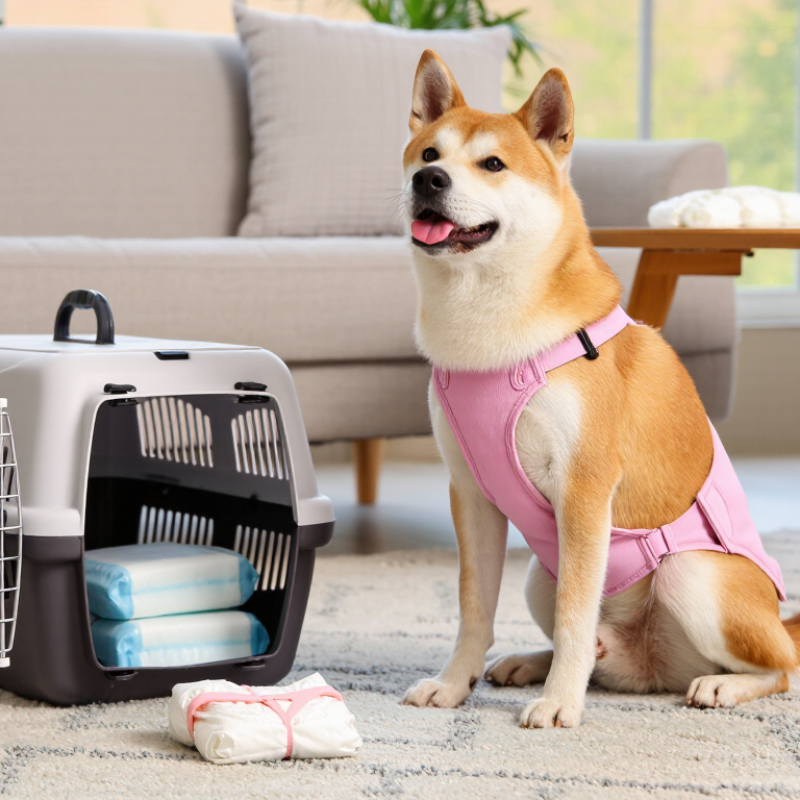
What Are Female Dog Nappies and How Do They Work?

Female Dog Nappies are practical garments designed to manage menstrual discharge, urinary leakage, and occasional accidents. They usually contain an absorbent inner layer, a waterproof outer surface, and an opening for the tail. Some use adjustable tabs, while others resemble washable underwear. The right design depends on your dog’s size, coat, mobility, and reason for wearing one.

A well-fitted nappy should sit securely without pressing into the waist or rubbing the skin. Check the fit.

During a heat cycle, a nappy can help protect carpets, bedding, and car seats from small blood stains. For urinary incontinence, it may also keep moisture away from household surfaces. However, it does not replace veterinary care, especially when leaking begins suddenly or comes with pain, thirst, odor, or tiredness. A veterinarian can investigate infections, hormonal changes, bladder problems, or age-related conditions.

Change the nappy regularly, usually when it becomes damp or soiled. Clean and dry the skin gently before fitting a fresh one. Leaving moisture trapped against the body may cause redness, discomfort, or skin infection. Washable nappies reduce waste, but disposable options can be useful during travel or emergencies. Neither option is perfect.

This guide explains how Female Dog Nappies work, how to choose a reliable fit, and how to use them safely. It also considers real-life challenges, such as slipping, chewing, and dogs refusing their first nappy. Careful observation matters more than appearance. Your dog’s comfort should remain the clearest measure of success.

What Are Female Dog Nappies and How Do They Work?

What Female Dog Nappies Are and Their Main Purpose

Female dog nappies are washable or disposable garments designed to cover a female dog’s rear area. They usually have an absorbent center, adjustable fastening, and an opening for the tail. Their main purpose is managing blood and discharge during a dog’s heat cycle. Some dogs also wear them for occasional urinary leakage or recovery after certain medical treatments.

They are not a perfect solution. A nappy can protect carpets, bedding, and car seats, but it cannot prevent mating or replace supervision. It should fit snugly without pressing the waist or rubbing the skin. The tail opening matters. If it sits incorrectly, leakage may happen quickly. Some dogs accept the garment calmly, while others resist it at first.

Change the nappy often.

Leaving a damp garment on too long may cause skin irritation and unpleasant odor. Gently clean and dry the area during each change, then check for redness, swelling, or sores. Nappies are not intended to hold solid waste. Unusual discharge, strong odor, pain, or frequent urination deserves veterinary advice, because these signs may indicate more than a normal heat cycle. Caregivers sometimes focus only on cleanliness. Comfort and health matter just as much.

How Female Dog Nappies Are Designed and Sized

Female dog nappies are shaped to cover the vulva while leaving the tail free. They can help manage heat discharge or urinary leakage. Most designs combine a soft inner lining, an absorbent core, and a water-resistant outer layer. Adjustable fasteners hold the nappy around the abdomen. The tail opening should sit behind the body without pulling the fabric. Comfort matters most.

Sizing begins with an accurate waist measurement. Keep the dog standing and place a tape around the abdomen, just in front of the hind legs. Measure snugly, but do not compress the coat or skin. Then compare the result with the specific size chart. Measurements differ between manufacturers. A small nappy may rub the groin or restrict movement. A large one may shift when the dog walks, sits, or sleeps. Two fingers should fit beneath the waistband.

A practical fitting check takes only a few minutes. Watch your dog walk, turn, and lie down. Look for damp edges, red skin, or a tail hole that presses against the base. Change the nappy regularly, especially after discharge or urination, and gently dry the skin. Some dogs need a different shape rather than a larger size. Size charts help, but they are not perfect. Sudden urinary leakage, strong odor, or skin damage deserves veterinary attention.

What Are Female Dog Nappies and How Do They Work?

Female dog nappies are washable or disposable garments designed to sit around the waist, cover the vulva, and hold an absorbent pad. The correct size is selected primarily by measuring the dog's waist circumference directly in front of the hind legs.

The chart shows practical reference bands commonly used for non-branded dog-nappy sizing. Actual fit varies by body shape and manufacturer, so the dog's waist measurement should take priority over weight or breed. A nappy should be snug enough to stay in place but loose enough to allow normal movement and breathing.

How Female Dog Nappies Work During Heat Cycles

Female dog nappies are washable or disposable garments designed to catch menstrual discharge during a female dog’s heat cycle. They usually include an absorbent lining, an opening for the tail, and adjustable fasteners around the waist. During heat, hormonal changes can cause swelling and bloody discharge, often lasting about two to four weeks.

The nappy holds discharge close to the body and helps protect carpets, bedding, and furniture. It does not stop mating and cannot prevent pregnancy. A dog may still attract male dogs, even when covered. Choose a snug fit that allows two fingers between the fabric and her skin. Change the nappy every few hours, or sooner when it becomes wet or dirty. Gently clean the vulva with warm water, then dry the area carefully.

Watch for rubbing, strong odour, unusual discharge, or persistent licking. These signs may indicate skin irritation or infection and deserve veterinary attention. Some dogs accept nappies quickly; others chew them or refuse to move. Patience helps, although forcing the garment can create more stress. I have found that owners sometimes focus too much on preventing mess and forget comfort. Regular breaks without the nappy, supervised indoors, can help the skin breathe. Never leave a nappy on for long periods without checking it.

What Are Female Dog Nappies and How Do They Work During Heat Cycles?

Heat-Cycle Stage Typical Timing What May Happen How a Female Dog Nappy Helps Important Care Considerations
Proestrus Often about 6–11 days, but duration varies between dogs. The vulva may swell and bloody discharge commonly appears. Male dogs may show interest, while the female may not yet accept mating. Absorbs or contains light-to-moderate discharge and helps reduce staining on floors, bedding, and furniture. Change the nappy regularly and check the skin for dampness, rubbing, redness, or irritation.
Estrus Often about 5–9 days, although it can be shorter or longer. Discharge may become lighter or less bloody. The female may be receptive to males and can become pregnant. Helps manage discharge during walks or indoors when appropriate. A nappy does not prevent mating or pregnancy. Keep the dog separated from intact males and supervise outdoor activity.
Diestrus Usually several weeks; hormonal changes continue whether or not pregnancy occurs. Heat-related behaviors and discharge generally decline. Some dogs may show mammary development or nesting behavior. May no longer be needed once discharge has stopped and the dog is comfortable without it. Contact a veterinarian if discharge is foul-smelling, heavy, pus-like, or accompanied by lethargy, vomiting, fever, or increased thirst.
Anestrus Commonly a resting period lasting several months before the next cycle. No typical heat discharge or mating behavior is present. Usually not required for heat management. Cycle length varies by individual dog, age, breed, health, and reproductive status.
Nappy Construction Used during the portion of the cycle when discharge occurs. Most designs include a washable or disposable absorbent layer, leg openings, a tail opening, and adjustable fastening. The absorbent layer captures discharge while the outer layer helps limit leakage when correctly fitted. Choose a fit that is secure but not tight. The dog should be able to walk, sit, lie down, urinate, and defecate normally.
Daily Use Use only when needed and remove it for regular hygiene breaks. Warm, damp material held against the skin for too long can increase discomfort and may contribute to skin problems. Provides temporary cleanliness support in the home or during controlled activities. Inspect the nappy frequently, clean the dog as needed, dry the skin thoroughly, and follow the product’s washing or disposal instructions.
Outdoor Management Applies throughout the heat cycle when the dog is outside. Male dogs may detect a female in heat from a distance, and mating can occur quickly. May help contain discharge but has no reliable reproductive barrier function. Use a leash, avoid off-leash areas, and do not rely on a nappy as contraception or as a substitute for supervision.
Key point: Female dog nappies are hygiene products designed to manage heat-related discharge. They do not stop the heat cycle, prevent infection, block mating, or prevent pregnancy.

When Dogs May Need to Wear Nappies

What Are Female Dog Nappies and How Do They Work?

Female dog nappies are washable or disposable garments designed to catch urine, menstrual discharge, or occasional bowel leakage. They usually wrap around the waist, with an absorbent panel beneath the vulva. A secure fit matters, but tight fabric can cause rubbing and trapped moisture.

When Dogs May Need to Wear Nappies

Female dogs may need nappies during heat, especially when spotting stains carpets or bedding. However, nappies do not prevent mating or pregnancy. They may also help dogs with urinary incontinence, which can occur after neutering, with age, or because of urinary disease. A VetCompass study of 30,507 female dogs reported a one-year urinary incontinence prevalence of 3.14% in primary veterinary care. Persistent leaking deserves a veterinary examination, not just a larger nappy. Some dogs also wear them briefly after surgery, but only when the veterinarian approves it. A common mistake is treating leakage as “just ageing.” It may not be.

How to Choose, Fit, and Maintain a Female Dog Nappy

What Are Female Dog Nappies and How Do They Work?

How to Choose, Fit, and Maintain a Female Dog Nappy

Female dog nappies are washable or disposable garments that absorb urine and manage menstrual discharge. They usually wrap around the waist, leaving the tail uncovered. The absorbent pad sits beneath the vulva, where leaks commonly begin. The American Pet Products Association reported 65.1 million U.S. households owned a dog in 2023–2024, increasing demand for practical hygiene products. However, a nappy is not a treatment.

Measure your dog’s waist while she stands naturally. Choose a secure fit, but leave room for two fingers beneath the fastening. The opening should sit behind the ribs without pressing the abdomen. A nappy that slides during walking will fail quickly. Too tight is worse.

Short-haired dogs may need softer edges to prevent rubbing, while thick-coated dogs require careful fur checks. Disposable inserts suit travel; washable nappies create less daily waste.

Change the nappy every three to four hours, or sooner when damp. Clean the skin with lukewarm water, then dry it fully. Inspect for redness, swelling, odor, or repeated licking. Remove the garment during sleep when practical, unless a veterinarian advises otherwise.

The American Animal Hospital Association recommends veterinary assessment for ongoing urinary leakage, because incontinence can reflect an underlying condition.

I have found that owners often focus on absorbency and forget movement. That is an imperfect approach. Comfort, skin health, and correct sizing matter just as much.