What Is Cotton Muslin Fabric Used For?
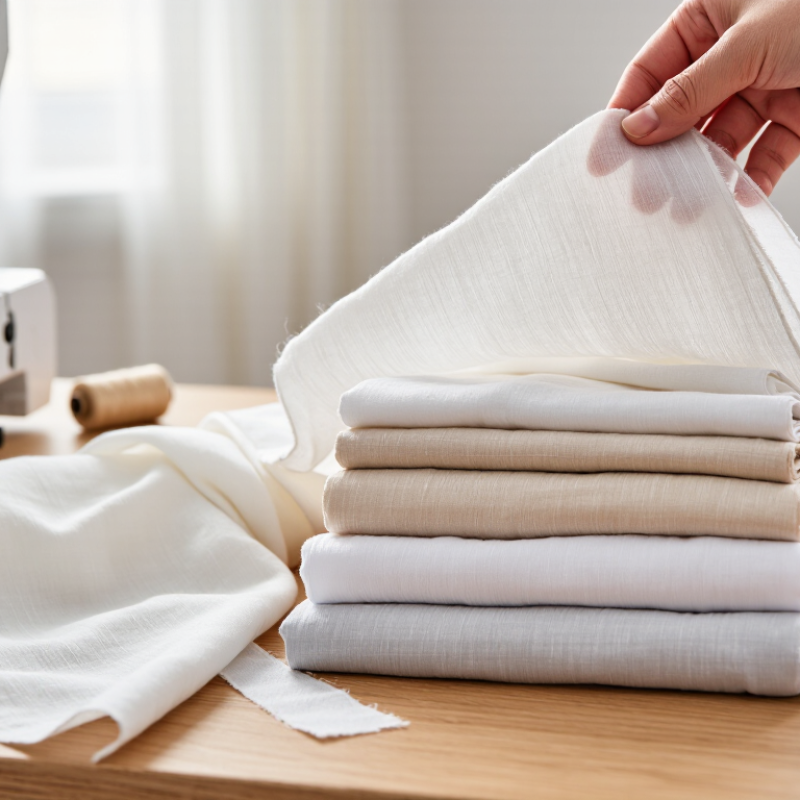
Cotton Muslin Fabric is a lightweight, plain-weave cotton textile valued for its soft feel and practical versatility. It is simple, not ordinary. Depending on its weight, weave, and finish, muslin may feel crisp and open or smoother and more closely woven. Those differences matter when choosing fabric for a specific project.
In clothing, makers use muslin for airy shirts, dresses, linings, and warm-weather layers. Designers also sew test garments from inexpensive muslin to check fit before cutting into their final fabric. At home, it can become curtains, lightweight covers, quilting layers, or soft backdrops for product photography. Its breathable texture and natural drape suit many projects, but they do not make every muslin interchangeable. Some versions wrinkle readily, shrink during washing, or feel too sheer for a particular use.
A closer look at fabric weight, care instructions, and intended use can prevent disappointing results. Prewashing is often sensible before sewing, especially when the finished item must keep its size. For baby products or other sensitive uses, follow the item maker’s guidance and choose fabric designed for that purpose. Small details count. This guide explores common uses for Cotton Muslin Fabric, explains what to check before buying, and considers where its limitations deserve attention. Muslin is useful, but it is not a perfect answer to every sewing need.
Muslin’s Plain-Weave Structure, Thread Count, and GSM Explained
Cotton muslin’s plain weave is made by passing each yarn over and under the next. This produces a simple, balanced surface with no raised pattern. The structure allows airflow, which suits warm-weather shirts, light curtains, quilting layers, and early garment samples. A loose weave feels soft and airy, but may wrinkle or shift while being sewn. That matters.
Thread count describes the number of warp and weft threads in a measured area, usually one square inch. A higher count can indicate a denser cloth, but it does not guarantee softness or durability. Yarn thickness and finishing also affect how the fabric feels. Numbers are useful, but imperfect.
GSM means grams per square metre, a measure of fabric weight. Lower-GSM muslin is typically lighter and more transparent; higher-GSM cloth often feels sturdier and drapes less freely. For a project, hold a swatch to a window and scrunch it in your hand. Check whether its opacity, texture, and weight suit the intended use. Labels can vary, so a small sample may tell you more than a specification alone.
Using ASTM D3776 Fabric-Weight Data to Compare Muslin Types
Cotton muslin is used for swaddling cloths, garment mock-ups, curtains, quilting, and lightweight covers. Its open, plain weave makes it easy to cut and sew. Weight helps distinguish a delicate cloth from a sturdier one, but it does not tell the whole story. Still, it is a useful starting point.
ASTM D3776 provides test methods for measuring fabric mass per unit area, commonly reported in grams per square metre (g/m²). A lower result generally indicates lighter muslin, which may suit airy curtains or soft wraps. A higher result can point to a denser, more substantial fabric for reusable covers or structured craft projects. The test measures weight, not softness, opacity, or durability.
For a meaningful comparison, check that samples were tested using the same method and under comparable conditions. Record the reported result alongside weave, finish, and intended use. A washed sample may differ from an unfinished one. That detail is easy to miss. Two muslins with similar weight can still feel quite different, so inspect the cloth and test a small piece before choosing.
What Is Cotton Muslin Fabric Used For?
Comparing representative fabric-weight ranges using ASTM D3776 terminology
Lightweight muslin is commonly used for mock-ups, linings, and lightweight apparel; medium-weight muslin for shirts, dresses, and quilting; and heavyweight muslin for sturdy bags, covers, and home projects. The ranges shown are representative examples, not ASTM specifications or test results. ASTM D3776 describes methods for determining fabric mass per unit area; actual weight varies by fabric and should be measured on the specific sample.
Why Lightweight Muslin Is Used for Toiles, Linings, and Draping
Cotton muslin is a practical choice for testing garment shapes before cutting into final fabric. Its lightweight, plain weave is easy to pin, mark, and unpick. In a toile, small changes to a shoulder seam or waist dart become visible quickly. Muslin is not a perfect stand-in, though. It may hang differently from silk, denim, or stretch fabric, so fit tests should match the intended garment’s weight and structure as closely as possible.
For linings and underlinings, lightweight muslin can add coverage or stability without much bulk. In draping, its soft hand lets designers shape fabric directly on a dress form, then mark seams and transfer pattern lines. The result depends on the cloth: a loosely woven muslin may distort under pins or tension. Not always obvious. That is worth checking before cutting.
Tip: Label each toile with the fabric weight, date, and pattern changes. Keep usable pieces for later tests. Textile Exchange’s 2024 Materials Market Report estimates global fiber production at 124 million tonnes in 2023; that figure covers all fibers, not muslin specifically. It does underline the value of careful sampling and reuse, even when a prototype is imperfect.
How Heavier Muslin Serves Quilting, Backdrops, and Utility Projects
Heavier cotton muslin is useful when a project needs more body than lightweight dressmaking cloth. In quilting, it can serve as backing, a practice layer, or a sturdy base for utility quilts. Its plain weave is easy to mark with chalk, and its surface handles repeated pinning well. Check the fabric’s weight and weave before cutting; “heavy” is not a standardized description. ASTM International’s D3776/D3776M test method measures fabric mass per unit area, making weight comparisons more dependable than relying on a shop label alone.
For backdrops, heavier muslin hangs with less flutter and can soften a bright window or studio light. It also creases, so allow time for pressing and secure the top edge evenly. For tool wraps, storage covers, and work aprons, its cotton construction is easy to sew and repair. Still, it is not indestructible; abrasion and frequent washing can wear the surface. Textile Exchange’s Materials Market Report 2024 estimates global fiber production reached 124 million tonnes in 2023, with cotton accounting for about 19 percent. That figure describes the wider fiber market, not muslin performance, but it gives useful context for cotton’s continuing place in textiles. A quick wash test is worth the trouble.缩水 and texture can change more than expected.
Choosing Muslin by Fiber Content and AATCC TM135 Shrinkage Results
Cotton muslin’s open, plain weave suits lightweight shirts, linings, curtains, and reusable cloths. Fiber content changes how the fabric feels and behaves. Pure cotton is absorbent and breathable, but can shrink or crease. A cotton-polyester blend may shrink less, though it can feel less airy. Textile Exchange’s Materials Market Report 2024 estimates cotton represented about 19% of global fiber production in 2023. That scale makes fiber identification important, but it does not predict one fabric’s performance.
Check the label, then compare shrinkage results measured under AATCC TM135, a standard method for evaluating dimensional change after home laundering. The reported percentage depends on wash temperature, agitation, drying method, and test cycles. Ask for results in both length and width, plus the exact care conditions. A fabric showing 3% lengthwise shrinkage may shorten a garment noticeably, even if its width stays stable. Small difference. A test result is useful evidence, not a guarantee for every household wash.
Tip: Before cutting, wash a labelled sample using the care routine you expect to follow. Measure it before and after, and record both dimensions. If the supplier’s result differs from your sample, investigate the finishing and laundering conditions; I would not assume either number tells the whole story.
