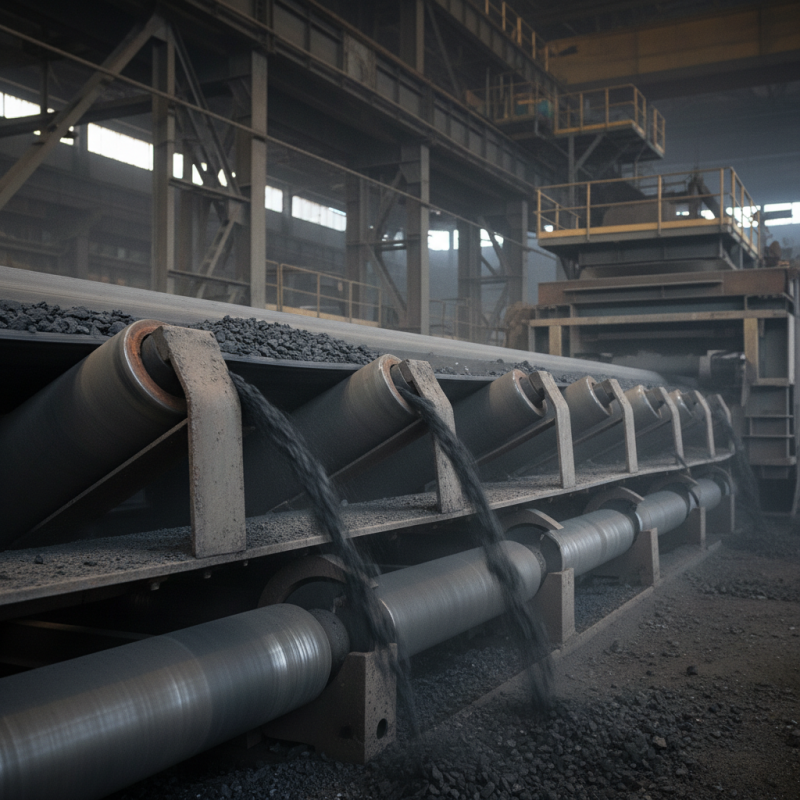
Why Are Conveyor Belt Rollers Essential for Efficient Transport?
conveyor belt rollers play a vital role in material transport systems. They are the backbone of efficiency in various industries, from mining to packaging. These rollers ensure smooth movement of conveyor belts, reducing friction and wear. Without them, systems can falter or break down.
Many people overlook conveyor belt rollers in their importance. They are often hidden beneath loads of material. However, their role in maintaining speed and reliability is crucial. Problems with these rollers can lead to costly delays and equipment failures.
Efficiency is not just about speed; it’s also about durability. Choosing the right conveyor belt rollers can affect the entire system's lifespan. Reflecting on this, it becomes clear that proper maintenance goes a long way. Regular checks can prevent unexpected breakdowns. Small issues with these components can escalate quickly. Few realize their significance until a major disruption occurs.
Understanding the Functionality of Conveyor Belt Rollers
Conveyor belt rollers play a crucial role in the efficiency of transport systems. These components minimize friction, allowing materials to move smoothly across various distances. The design of rollers can significantly impact overall performance. For instance, a roller that is too tight can cause jams. Conversely, a loosely fitted roller may lead to slippage, wasting precious time.
Understanding the functionality of these rollers begins with their materials. Often constructed from metal or plastic, they should be durable yet lightweight. This balance is key. Additionally, the spacing of rollers affects load distribution. Too far apart, and the belt may sag, leading to accidents. If placed too close together, it might be an overkill that raises costs unnecessarily.
Maintenance is another critical aspect often overlooked. Regularly inspecting the rollers ensures they operate at peak efficiency. A worn-out roller can create unexpected downtime, disrupting processes. Simple checks can make a significant difference. Small adjustments can prevent larger issues down the line. Investing time in understanding these components pays off in smoother operations.
Key Benefits of Using Conveyor Belt Rollers in Transport Systems
Conveyor belt rollers play a vital role in transport systems. They ensure smooth movement, reduce friction, and enhance efficiency in material handling. According to industry reports, efficient roller systems can improve transport speed by up to 30%. This efficiency is critical in warehouses and manufacturing units, impacting overall productivity.
Utilizing conveyor belt rollers can lead to significant cost savings. They are designed to handle heavy loads, minimizing wear on the conveyor belt. The data indicates that a well-maintained roller system can extend the life of a conveyor by 50%. Additionally, these rollers can reduce energy consumption by up to 25%, making operations more sustainable.
**Tip:** Regular maintenance checks on roller systems can prevent unexpected breakdowns. Inspect for wear and tear. This can save time and money in the long run. Another great practice is to choose rollers with sealed bearings. They require less lubrication and reduce maintenance efforts. Keep in mind that the right roller can make or break your transport efficiency. Evaluate your needs carefully and make informed choices.
Types of Conveyor Belt Rollers and Their Applications
Conveyor belt rollers play a vital role in transport systems. They are used in various industries, from manufacturing to logistics. The right type of roller can enhance efficiency significantly.
There are several types of conveyor belt rollers, each with unique applications. For instance, straight rollers are common in assembly lines. They provide smooth movement for products. Another type is the impact roller, which absorbs shock and reduces damage. These are vital in heavy-duty operations.
Additionally, guide rollers help direct the conveyor belt. They ensure proper alignment, reducing wear and tear. However, selecting the correct roller is often overlooked. Ignoring this can lead to increased maintenance costs. Many facilities struggle with efficiency due to this oversight. A careful assessment of roller types and applications is essential.
Why Are Conveyor Belt Rollers Essential for Efficient Transport? - Types of Conveyor Belt Rollers and Their Applications
| Roller Type | Material | Load Capacity (kg) | Speed (m/s) | Application |
| Carrying Rollers | Steel | 1000 | 2.5 | Material transport |
| Return Rollers | Rubber | 800 | 3.0 | Belt tracking |
| Impact Rollers | Composite | 1200 | 2.0 | Heavy-load areas |
| Guide Rollers | Aluminum | 600 | 4.0 | Positioning the belt |
| Cleaning Rollers | Plastic | 500 | 2.5 | Belt maintenance |
Factors Influencing the Selection of Conveyor Belt Rollers
When selecting conveyor belt rollers, several key factors come into play. These factors include material, length, weight capacity, and environment. Material is crucial. Steel rollers suit heavy loads. Plastic rollers are lighter and resist corrosion. Each option has trade-offs based on durability and cost. Understanding specific needs is vital.
Length matters, too. Short rollers can struggle with heavy loads. They may cause misalignment and uneven wear. A study by the Conveyor Equipment Manufacturers Association (CEMA) highlights that misalignment can decrease efficiency by 15%. Weight capacity is another essential factor. Overloading a roller can lead to premature failure, impacting productivity and safety.
Environmental conditions must also be considered. Dusty or wet settings can affect roller performance. Factors like temperature and humidity influence material choice. A report from the International Material Handling Conference indicates that proper roller selection can enhance operational efficiency up to 30%. Ignoring these factors often leads to unforeseen costs. Roller selection is not a one-size-fits-all scenario. Each application requires careful assessment to achieve optimal results.
Maintenance Practices for Optimal Performance of Conveyor Belt Rollers
Maintaining conveyor belt rollers is crucial for optimizing transport efficiency. Regular inspections can prevent costly disruptions. According to a report by the Conveyor Equipment Manufacturers Association (CEMA), equipment failures often lead to production losses averaging 20%. A systematic maintenance routine can significantly reduce these risks.
Regular cleaning of rollers is essential. Dust and debris can accumulate, affecting their performance. Even a small obstruction can lead to misalignment, causing wear. An industry analysis highlighted that improper maintenance can reduce roller life by up to 50%. Technicians suggest lubricating the bearings every three months to ensure smooth operation.
Monitoring roller tension is vital. Too tight, and the belt could tear; too loose, and slippage occurs. This delicate balance often goes unnoticed. In fact, studies show that 30% of conveyor issues stem from incorrect roller tension. Implementing a straightforward checklist can help operators catch these problems before they escalate.
Performance Comparison of Different Conveyor Belt Rollers
This chart illustrates the load capacity of various types of conveyor belt rollers, demonstrating the importance of selecting the right roller to ensure optimal performance and efficiency in transport operations.