Sorry, your browser is not supported. For a better experience, keep your browser up to date. Check here for latest versions
Choosing the right Upvc Fittings is not just a matter of matching pipe diameter. The fitting must suit the material, pressure, temperature, fluid, and installation method. A coupling that looks correct on a workbench can still leak if its seal is damaged or its dimensions are wrong. Small details matter.
“Check the system, not just the fitting,” says fictional UPVC fittings specialist Alex Hart. This is an illustrative quote, not a verified statement from a real industry expert. In practice, the advice points to a useful habit: confirm the pipe specification and the fitting’s rated limits before purchase. A site installer should also inspect socket depth, sealing surfaces, and connection alignment. A dry fit can reveal a mismatch before solvent cement or other joining methods are used.
Project conditions shape the choice. Outdoor pipework may need protection from prolonged sunlight, while buried lines call for attention to support and ground movement. Water systems, drainage, and chemical applications can require different product specifications. Check manufacturer data sheets, markings, and compatibility guidance rather than relying on appearance alone. That is where rushed decisions often fail.
A careful selection can reduce rework, leaks, and wasted materials. Yet no checklist replaces the product instructions or a qualified professional’s judgment. This guide explores the key factors, common mistakes, and practical checks that help you choose Upvc Fittings with greater confidence. Start with the system requirements, then compare suitable products. The details are worth checking.
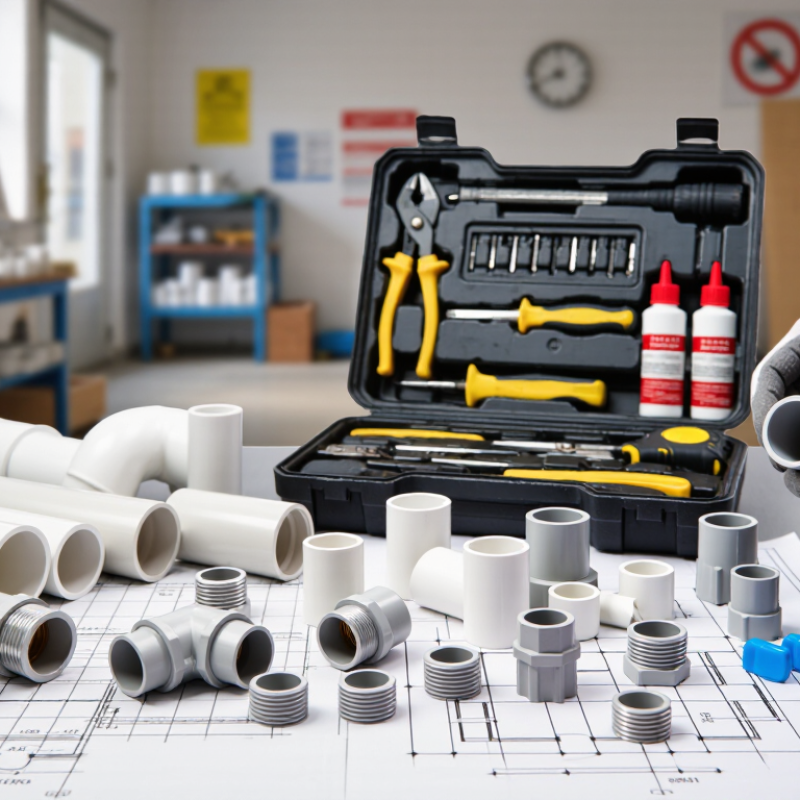
Before selecting UPVC fittings, map the water or fluid flow your project must handle. Note the usual flow rate and any short periods of higher demand, such as several irrigation zones opening together. A fitting that is too small can restrict flow and create unwanted pressure loss. Bigger is not automatically better. Check that the fitting size matches the pipe and connection method, and consider bends, valves, and equipment along the route.
Pressure needs more than a normal operating reading. Record the system’s working pressure and check for pump starts, quick valve closures, or other sudden changes that may cause pressure surges. Compare these conditions with the fitting’s rated limits, including any temperature-related reductions listed in its technical data. Don’t rely on a single gauge reading. It may miss brief spikes.
The installation environment matters just as much. Identify expected temperatures, sunlight exposure, soil conditions, and contact with cleaning agents or process fluids. Confirm chemical compatibility using reliable technical documentation; “plastic-safe” is too vague to guide a choice. For outdoor runs, consider UV exposure and physical protection. For buried sections, check the bedding and support plan. Measurements and site conditions can be imperfect, so leave room to verify assumptions before ordering. A small mismatch discovered on paper is easier to correct than one found after assembly.
Start by marking every change in direction, branch, and pipe-size transition on a simple project sketch. Elbows turn a line, tees create branches, and couplers join straight pipe sections. Reducers connect different diameters; adaptors provide a change between socket and threaded connections. Keep the sketch nearby when ordering. Small details matter.
Choose fitting sizes to match the pipe’s specified standard, not just a ruler reading. Nominal size can differ from the pipe’s measured outside diameter, and sizing conventions may vary by region. Check the pipe label, product data, or supplier specification. Measure twice. For example, a tee that looks close in diameter may still have the wrong socket depth or connection standard.
Then confirm the fitting’s pressure rating and suitability for the fluid and operating temperature. A threaded adaptor, for instance, may suit a removable connection, while a solvent-weld socket is intended for a compatible pipe and joining method. Follow the fitting maker’s preparation and curing instructions. It is easy to focus on diameter and overlook pressure or temperature limits; revisit those details before installation. If the existing pipe’s standard is unclear, pause and identify it rather than forcing a near match. An awkward delay is better than a leaking joint.
UPVC fittings should meet the same system standard as the pipe, not merely look like a match. For pressure-water systems, ISO 1452-3 covers fittings, while ASTM D2466 specifies Schedule 40 PVC fittings. These standards use different sizing systems, so check the pipe’s nominal size, pressure class, and joint type against the fitting documentation. Small differences matter. A socket that feels snug may still have the wrong dimensions.
The Plastics Pipe Institute’s Handbook of PVC Pipe Design and Construction cites a 4,000 psi hydrostatic design basis at 73°F for certain PVC compounds. This is a material-design value, not a fitting’s allowable working pressure; temperature, dimensions, and system design affect ratings. Check the fitting’s stated pressure rating and ensure it does not fall below the pipe system’s requirement. Also confirm that the joining method and sealing materials are approved for both components. A common shortcut is matching nominal size alone. It is understandable, but risky. I would verify the standard and pressure marking before installation, then review the technical sheet if any rating or connection detail is unclear.
| Project Check | Relevant Standard or System | What to Verify | Selection Guidance |
|---|---|---|---|
| Material identification | UPVC is also commonly identified as PVC-U (unplasticized polyvinyl chloride). | Confirm the fitting material is specified as PVC-U/UPVC and is suitable for the fluid, temperature, and installation environment. | Do not treat PVC-U, CPVC, and other plastics as interchangeable; their joining methods and service limits can differ. |
| Metric pressure piping | ISO 1452-3 covers PVC-U fittings for water supply and pressure sewerage systems. | Check the specified pipe and fitting series, nominal size, pressure class, and applicable national adoption of the standard. | Use fittings designed for the same ISO 1452 system. Confirm that the pressure class meets the project design requirements. |
| Schedule 40 pressure fittings | ASTM D2466 covers PVC schedule 40 plastic pipe fittings. | Verify the fitting size and connection type, and confirm that the mating pipe is designed for the same dimensional system. | Do not assume a schedule 40 fitting will match a metric-sized or differently dimensioned pipe just because the nominal size appears similar. |
| Schedule 80 pressure fittings | ASTM D2467 covers PVC schedule 80 plastic pipe fittings. | Check the schedule, size, socket or threaded connection, and compatibility with the specified pipe. | Use schedule 80 fittings where the design calls for that system; schedule designation alone does not establish suitability for every pressure or service condition. |
| Non-pressure drainage | ASTM D2665 covers PVC drain, waste, and vent (DWV) pipe and fittings. | Confirm the application is a DWV system and check the pipe and fitting dimensions and connection style. | Do not substitute a DWV fitting in a pressure line unless the fitting is expressly rated and approved for that service. |
| Pipe-to-fitting dimensions | Dimensional system: for example, ISO metric series, ASTM Schedule, or another locally specified system. | Match the actual outside diameter, socket dimensions, wall series, and nominal size—not nominal size alone. | Keep pipe and fittings within the same dimensional system unless a specifically designed transition fitting is used. |
| Pressure and temperature | Project design requirements and the fitting’s declared rating. | Check working pressure at the operating temperature, fluid compatibility, surge conditions, and any applicable pressure derating. | Use the lowest applicable rating among the pipe, fitting, joint, and system components; confirm limits in the technical documentation. |
| Jointing method | Socket solvent-cement joint, threaded joint, or elastomeric seal joint, as specified for the system. | Check that the fitting end type matches the pipe and that the joining materials and installation procedure are approved for the system. | Do not mix joining methods or use an unverified cement, primer, seal, or thread treatment. Follow the applicable code and product instructions. |
| Site and regulatory suitability | Local plumbing, building, potable-water, and environmental requirements. | Verify required certifications, approved use, exposure conditions, burial or support requirements, and installation rules. | Confirm compliance for the project location and intended service before procurement or installation. |
Compatibility reminder: Standards and nominal sizes are not universally interchangeable. Confirm the exact pipe-fittings system, dimensions, ratings, and local code requirements before installation.
Choosing UPVC fittings is not just a matter of matching diameter. Compare pressure class, material quality, and joint type against the system’s actual operating conditions. Check markings and technical sheets for standards, pressure ratings, and dimensional tolerances. A fitting that looks smooth can still have poor threads or an uneven socket. Small flaws matter.
Temperature changes the decision. The Plastics Pipe Institute’s Handbook of Thermoplastic Piping System Design gives a PVC pressure-rating factor of 0.62 at 100°F (about 38°C). That figure is a useful warning, not a universal rating for every UPVC fitting. Confirm the manufacturer’s temperature limits and the applicable product standard. For installation, dry-fit parts, cut pipe square, remove burrs, and use only compatible joining materials. Allow the specified cure time before testing. Rushing this step is an easy mistake.
Tips: Measure twice, especially where pipe runs meet valves or walls. Leave room for tools and future replacement. For solvent-weld joints, clean and prepare both surfaces as directed; for threaded connections, avoid overtightening, which can stress the fitting. If the pressure or temperature is near its limit, get the design checked. It may feel overly cautious, but a hidden leak is harder to fix than a slow installation.
How to Choose the Best UPVC Fittings for Your Project
A dependable supplier should provide clear specifications, not just a price list. Check the fitting dimensions, pressure rating, material grade, and temperature limits against your project’s drawings and operating conditions. Confirm that the connection type matches your pipes; a socket that looks right may still fit poorly. Ask for current test reports and product documentation, and check that they apply to the exact fitting you plan to buy. Details matter.
Tips: Request a sample and measure it before ordering in bulk. Ask how products are identified and traced between batches. Notice whether the supplier answers technical questions directly. A vague reply is worth a pause.
My experience is that small mismatches often surface during installation, when replacing parts can delay the job. Compare the supplier’s stated tolerances with the project requirements, and confirm any installation guidance in writing. If the product will face sunlight, chemicals, or unusual temperatures, ask for suitability data rather than assuming standard UPVC is appropriate. Documents can look reassuring, yet I have seen teams overlook one line in a specification. Recheck it. A careful supplier makes that conversation easier.
Choose a reliable supplier and verify that every fitting matches your pipe size, pressure requirement, and applicable standard.
Common metric PVC-U pipe outside diameters are shown in millimetres. Confirm the pipe’s actual outside diameter and the fitting’s compatible standard before ordering; available sizes and specifications vary by product and market.