How to Choose the Best Thermoforming Film for Your Needs?
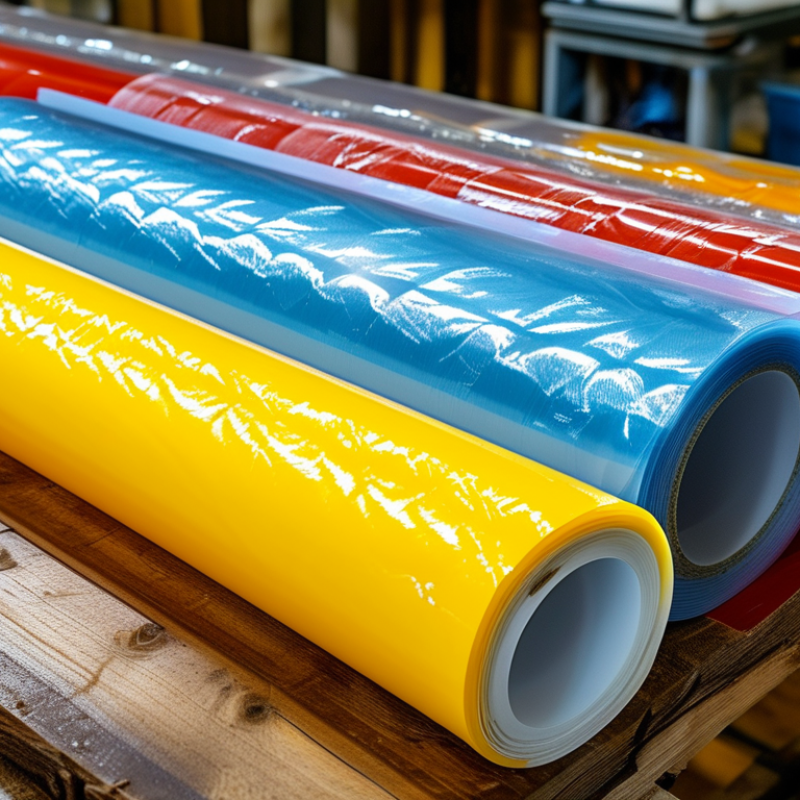
Choosing the right Thermoforming Film can significantly impact your product's quality and performance. This film is crucial for packaging and manufacturing processes. With various options available, it's essential to understand your specific needs.
Experience plays a vital role in selecting the right thermoforming film. Different materials offer various properties, such as clarity, strength, and moisture resistance. For instance, PET films are popular for their durability but may not always provide the best seal. It's essential to weigh the pros and cons of each type carefully.
Be aware that not all films are created equal. Some may work perfectly in one scenario but fail in another. Testing different films can lead to better decision-making. Engaging with suppliers and seeking their expertise can offer valuable insights. Ultimately, understanding your application will lead to a more informed choice.
Types of Thermoforming Films Available in the Market
When selecting thermoforming films, it’s crucial to understand the types available in the market. Different applications require different films, so knowledge is power. PVC films are the most common choice. They offer clarity and are easy to form. However, they may not be suitable for high-temperature applications.
Another option is PET films. These are known for their strength and resistance to heat. They work well for food packaging. Keep in mind, though, that they can be more expensive than PVC films.
Polypropylene films are also popular. They are lightweight and flexible, but their barrier properties aren’t as strong.
Tips: Consider your specific needs carefully. Think about temperature, clarity, and strength. Gather samples from suppliers to test in your application. Always check the manufacturer's specifications to ensure you choose the right film. Despite the advantages of various films, some may require adjustments in the thermoforming process. It’s wise to remain flexible and open to experimenting when making your choice.
Key Factors to Consider When Choosing Thermoforming Film
When selecting the right thermoforming film, several key factors play crucial roles. One critical aspect is the material type. The most common options include PET, PVC, and PLA. Each offers unique benefits and limitations for various applications. For instance, PET is praised for its excellent clarity and strength. In contrast, PLA is a biodegradable alternative, appealing to environmentally conscious users. According to a report by MarketsandMarkets, the global thermoforming market for these materials is projected to reach $12.34 billion by 2025, highlighting their significance.
Another vital consideration is thickness. The gauge of the film can affect not only its durability but also the overall production costs. Thinner films may save costs initially, but they can lead to higher failure rates in certain applications. A study by Smithers Pira indicates that the optimal thickness for food packaging films typically ranges from 0.020 to 0.030 inches. Balancing cost and performance is essential to achieving the best results.
Further, the intended end-use should drive your choice. For instance, packaging applications require films with superior barrier properties against moisture and oxygen. In contrast, applications like medical devices may prioritize sterility and biocompatibility. The right thermoforming film should align with these specific needs to ensure safety and efficacy. Always consider how the selected film will serve its purpose in real-world scenarios for the best outcomes.
Applications and Industries Benefiting from Thermoforming Films
Thermoforming films play a vital role in diverse industries. The packaging sector is one of the primary beneficiaries. Thermoforming films wrap food items, ensuring freshness and safety. These films also enhance visual appeal, attracting consumers at the shelf. Food businesses often face challenges with shelf life. The right thermoforming film can significantly extend maintenance periods.
Medical packaging is another critical application. Sterility is non-negotiable here. Thermoforming films create airtight seals, preserving medical devices. They must comply with strict regulations for safety. However, not all films meet these needs. Manufacturers sometimes overlook certifications, leading to potential issues with quality.
In the automotive world, thermoforming films are transforming interiors. Lightweight films reduce vehicle weight and improve fuel efficiency. Yet, manufacturers must consider durability against wear. Choosing the wrong type may lead to costly repairs. Each industry presents unique challenges and opportunities. Understanding specific requirements is essential for effective material selection.
Comparing Cost and Performance of Different Thermoforming Films
When selecting thermoforming films, understanding cost and performance is crucial. Various films offer distinct benefits. For instance, some are cost-effective but may lack durability. Others might be more expensive but provide superior strength or heat resistance. It’s essential to evaluate your specific needs against your budget.
Performance metrics such as clarity, tensile strength, and thermal stability are key. Clear films allow for visibility of products, enhancing marketing appeal. Stronger films resist tearing in transit. Thickness can also influence performance. Thicker materials may offer better durability but could increase costs. Balancing these factors can be challenging.
Many users report difficulties in finding the right film. Some prioritize price but later find the performance inadequate. Others invest in high-quality films only to discover they don’t fit their production line. Analyzing real-world applications helps identify the best options for your specific situation. Careful consideration of each film's characteristics can lead to better choices.
Sustainability and Environmental Considerations in Film Selection
When choosing thermoforming films, sustainability is crucial. Not all materials are created equal. Many films can be harmful to the environment during production or disposal. It is vital to consider these aspects in your selection.
Recycled materials are often a better choice. These films can significantly reduce your carbon footprint. Look for options that come from responsible sources. Certifications can provide assurance about a product’s sustainability. However, be mindful of performance. Some recycled films may not provide the same durability.
Single-use plastics are a significant concern. Many companies are exploring biodegradable options. These alternatives help in reducing landfill waste. Nevertheless, they require proper disposal methods to be effective. It’s essential to analyze whether these methods are available in your area. Always consider the entire lifecycle of the product for a true impact.