How to Choose the Best Swab Stick Packaging Tube?

Choosing the right Swab Stick Packaging Tube means protecting the product while keeping packing, storage, and everyday handling practical. A tube that looks suitable on a specification sheet may still be awkward on a busy production line. Check its inner diameter against the swab head and shaft, then test the cap fit with real samples. A few millimeters matter. So does the way the tube opens.

Material and wall thickness deserve close attention. Clear plastic can make contents easy to inspect, while a sturdier wall may better resist dents during routine handling. The best choice depends on the swab’s dimensions, the quantity per tube, and how the package will be stored and shipped. Avoid choosing by appearance alone. A sample run often reveals problems that a drawing cannot.

“[Insert a verified quotation about packaging selection here.]” — [Verified expert name and title]. This quotation should be checked against a reliable source before publication; inventing an expert’s words would weaken the article’s credibility.

This guide explains how to compare tube dimensions, closure styles, materials, labeling space, and supplier quality. It also points out trade-offs that are easy to miss, such as a secure cap that takes too much force to remove. There is no universal best option. The right Swab Stick Packaging Tube is the one that fits the swab, the workflow, and the conditions it will actually face.
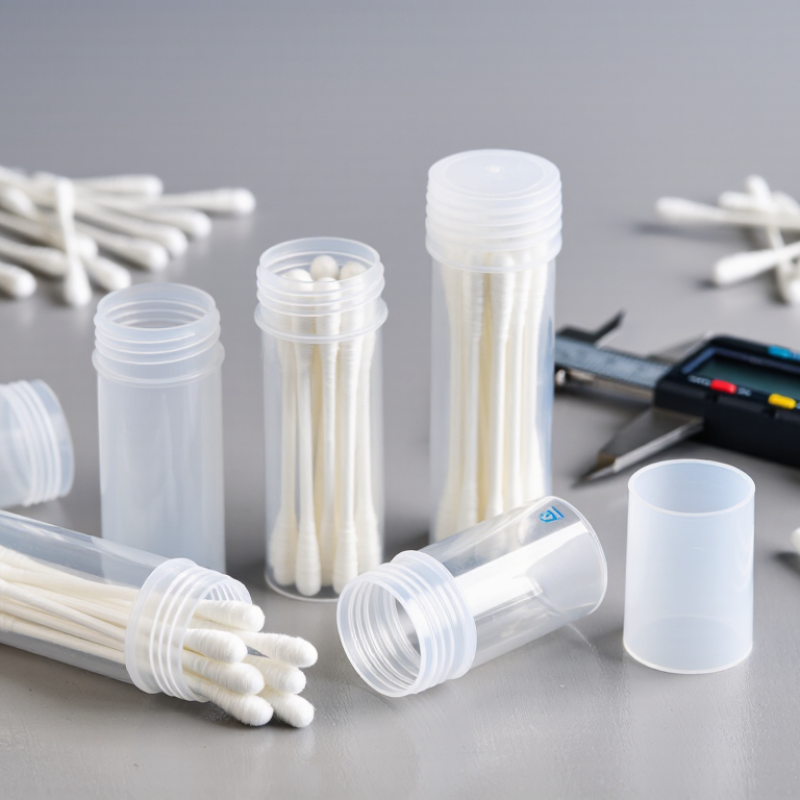
How to Choose the Best Swab Stick Packaging Tube?

Identify the Swab Type and Its Packaging Requirements

How to Choose the Best Swab Stick Packaging Tube?

Identify the swab type before selecting a tube. A long plastic shaft may need more clearance than a short paper stick. Measure the swab from tip to handle, then allow room for insertion and removal without scraping the tip.

Fit matters. A tight tube can deform a soft foam head, while excess space may let the swab rattle during transport.

Tip material also matters. Foam, cotton, and flocked tips can respond differently to pressure and moisture, so check the supplier’s handling guidance. For sterile swabs, choose packaging designed to maintain the required barrier and confirm that the seal remains intact after handling.

Keep it clean. Match the tube closure to how the swab will be stored and transported, and consider whether users need to open it with gloves. Clear labeling can identify swab type, size, lot, and sterilization status where applicable.

Do not assume one tube fits every swab. Test samples under realistic conditions, including packing, shipping, and opening; a package that looks suitable on a workbench may still be awkward in daily use.

Choose the Tube Material and Dimensions

Choosing a tube starts with the swab, not the container. Measure the full stick length and the widest part of its tip, then allow enough internal clearance for easy removal. Fit matters. A tight tube can flatten a soft tip or snag fibers; an oversized one lets the swab shift during transport. Leave a little space at both ends, especially if the tip is delicate. The right amount depends on the swab design, so check a sample rather than relying only on catalogue dimensions.

Material should suit storage and handling conditions. Paperboard tubes are lightweight and can work well for dry, protected storage, while plastic options may provide a stronger barrier against moisture. Neither choice is automatically better. Consider wall stiffness, closure security, and whether the material can be kept clean throughout packing. If users need to open the tube quickly, test the cap with dry and gloved hands. Test it. One detail that is easy to overlook is the tube’s inner surface: rough edges or seams may catch fibers. I would also recheck dimensions after production, because small changes in wall thickness can reduce usable space. A measured prototype often reveals the awkward fit that a drawing misses.

Assess Sterility, Sealing, and Protection Needs

A swab stick packaging tube should match the required sterility level, not just look clean. If the swab must remain sterile, confirm that the tube and closure are compatible with the chosen sterilization process. Ask for supporting validation and check whether the package maintains its barrier through the stated shelf life. A clear tube is useful, but clarity alone proves nothing.

Pay close attention to the seal. A cap that loosens during transport can expose the swab to dust or moisture. Check fit across multiple samples, and inspect for cracks, warped rims, or gaps after handling. If the tube uses a peelable seal, test whether it opens smoothly without touching the swab head. Small details matter. Yet overly tight closures can slow access or damage the swab.

Protection needs depend on how the tube will be stored and shipped. A longer tube may reduce contact with the swab tip, while a thicker wall can resist crushing in a crowded carton. Consider vibration, temperature changes, and repeated handling. Then test a filled package under realistic conditions, rather than relying only on a specification sheet. There is a trade-off: adding material may improve impact resistance but increase cost and waste. The right choice is not always obvious, and test results should guide it.

Check Labeling, Compatibility, and Regulatory Requirements

How to Choose the Best Swab Stick Packaging Tube?
Check Labeling, Compatibility, and Regulatory Requirements

A tube should protect the swab and make key information easy to find. Check that labels remain legible after handling, storage, and transport. Include the details required for the product and market, such as lot number, expiry date, storage conditions, and sterile status. FDA Unique Device Identification requirements may apply, depending on device classification and intended use. ISO 15223-1 covers symbols used on medical-device labels. Requirements vary, so confirm them for each market.

Material compatibility matters. A cap that loosens, a tube that cracks, or a surface that interacts with the sample can compromise performance. Test the complete pack with the intended swab, sterilization process, and transport conditions. If the packaging is intended to maintain sterility, assess relevant ISO 11607 requirements. WHO’s 2024 Global Patient Safety Report estimates that one in ten patients experiences harm in healthcare. That figure is not specific to swab packaging, but it underscores why clear identification and dependable handling matter.

Tips: Print a test label, then check readability on a curved tube under ordinary clinic lighting. Verify that labels stay attached after routine handling. Small details are easy to miss. A neat prototype is not proof of real-world durability.

Compare Tube Quality, Cost, and Supplier Reliability

A swab stick packaging tube should protect the swab without making it difficult to remove. Check the tube’s wall thickness, opening, and cap fit using samples from the actual production run. A cap that loosens during handling can expose the swab, while a tight opening may snag it. Fit matters.

Compare more than the quoted unit price. Ask for costs that include printing, packing, freight, and any setup fees. Then compare defect rates and replacement terms; a cheaper tube can become costly if caps crack or dimensions vary. Small details count. Still, no sample can fully predict performance across a large order, so trial quantities are worth considering.

Supplier reliability shows in repeatable quality and clear communication. Request written specifications, inspection records, and realistic lead times. Notice whether the supplier flags material or production changes before shipping. A prompt reply is useful, but consistent batches matter more. One point buyers can overlook is how small production differences affect swab removal. Set acceptance criteria before ordering, then check delivered tubes against the sample and agreed measurements.

How to Choose the Best Swab Stick Packaging Tube? — Compare Tube Quality, Cost, and Supplier Reliability

Tube Option Protection and Quality Relative Cost Supplier Reliability Checks Best Fit
Polypropylene (PP) tube with cap Lightweight and rigid, with good resistance to moisture and many common chemicals. A secure cap can help protect swabs from dust and handling. Confirm that the tube dimensions and cap fit the swab sticks. Low to medium. Cost depends on tube size, wall thickness, cap design, order volume, and decoration. Request dimensional inspection results, closure-fit samples, material specifications, and evidence of batch traceability. Check that production capacity matches the required order volume. General-purpose packaging where a durable, reusable-style tube is preferred.
High-density polyethylene (HDPE) tube Tough and impact-resistant, usually opaque or translucent. Offers useful moisture resistance, but the contents are less visible than in a clear tube. Low to medium. Compare the complete tube-and-cap cost rather than the tube alone. Verify material grade, wall consistency, cap retention, and sample performance during transport testing. Ask for documented quality checks for each production batch. Applications that value toughness and reduced visibility of the contents.
Polyethylene (PE) tube Flexible and resistant to impact. It may deform more readily than a rigid PP tube, depending on wall thickness and design. Moisture protection depends on the complete closure and package construction. Low. The final cost varies with tube flexibility, dimensions, and closure requirements. Check tube recovery after compression, dimensional consistency, and cap fit using production-equivalent samples. Confirm that the supplier can maintain the requested material and design specifications. Lightweight packaging where flexibility and basic handling protection are useful.
Polyethylene terephthalate (PET) tube Typically clear and rigid, allowing easy inspection of the contents. It can provide a clean presentation, but tube and closure performance should be tested for the intended handling conditions. Medium to high. Clear, thicker, or specially shaped designs can increase cost. Request clarity and dimensional samples, closure tests, and written confirmation of material specifications. Check lead-time consistency and the supplier’s process for handling defects or reorders. Retail or display settings where visibility of the swab sticks matters.
Paperboard tube Lightweight and easy to print, but paperboard can be affected by moisture and may provide less protection from crushing than a rigid plastic tube. A liner or coating may change its performance and recyclability. Low to medium. Printing, coatings, liners, and custom dimensions affect the total cost. Ask for board-grade details, compression-test results, print samples, and information about any coatings or liners. Confirm that the packaging remains suitable under expected storage conditions. Dry, lower-impact applications where a paper-based appearance is desirable.

Buying note: Relative cost levels are indicative, not quotations; actual pricing depends on dimensions, order quantity, tooling, printing, and shipping. A tube alone should not be assumed to provide a sterile barrier. If sterility or regulated-use protection is required, validate the complete packaging system for the intended application.