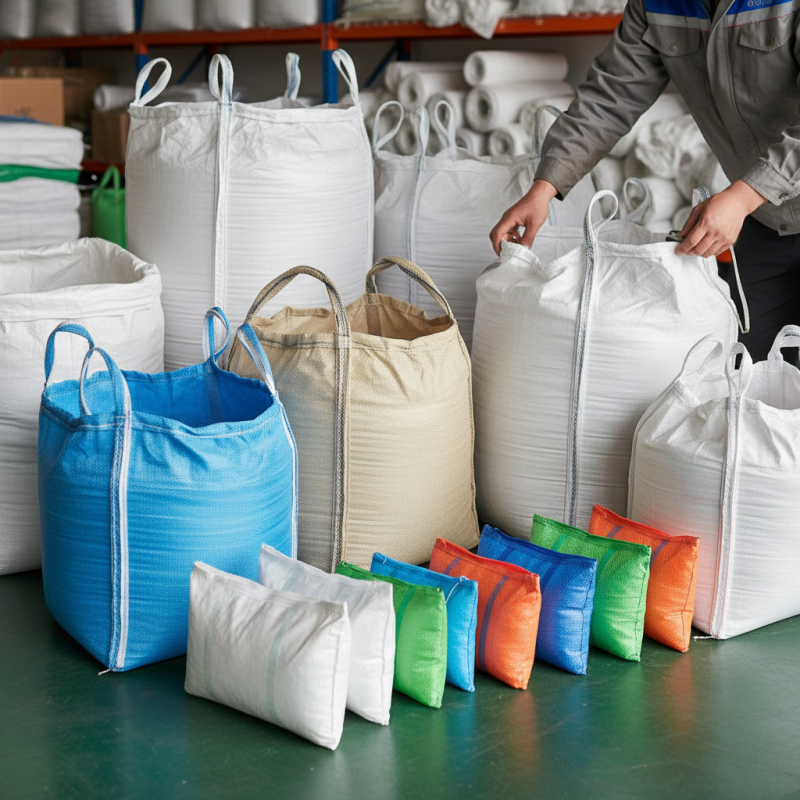
How to Choose the Best PP Woven Bag for Your Needs?
Choosing the right PP Woven Bag can be challenging. Experts emphasize the importance of understanding your specific needs. According to John Smith, a leading authority in the packaging industry, “Selecting the right bag can make a huge difference in performance.”
PP Woven Bags are durable and versatile. However, not all bags suit every application. Some people overlook key factors like weight capacity and intended use. This lack of consideration can lead to disappointing results. Investing time in selection is crucial.
Details matter when it comes to PP Woven Bags. Color, size, and printing options can significantly impact your choice. For example, a bag that is too small may not hold your products securely. Reflecting on these aspects ensures better decision-making.
Understanding the Basics of PP Woven Bags: What You Need to Know
PP woven bags are versatile and durable. They are used in various industries, including agriculture and retail. Understanding the basics of these bags is essential to make an informed choice.
These bags are made from polypropylene, a plastic polymer. According to industry reports, the global PP woven bag market is projected to reach $6.6 billion by 2026. This growth is driven by the demand for eco-friendly packaging options. The bags are lightweight yet strong, making them ideal for heavy loads. Yet, they are not completely biodegradable. This raises concerns about environmental impact.
When selecting a PP woven bag, consider its weight capacity. Some bags can hold up to 2,000 pounds. This is significant for bulk shipping. However, performance can vary based on manufacturing methods. Some bags may tear or degrade more quickly than others. Additionally, the look and feel of the fabric can affect customer perception. These elements are important to reflect on when making a choice.
Identifying Your Specific Needs: Selecting the Right Size and Capacity
When selecting a PP woven bag, identifying your specific needs is crucial. Size and capacity play a significant role. According to industry reports, over 70% of consumers often choose bags that do not meet their intended purpose. This can lead to waste and dissatisfaction.
Consider the volume of items you plan to store. A bag that is too small may cause damage to your goods, while one that is excessively large could result in unnecessary bulkiness. For instance, a 50-liter capacity bag is ideal for transporting heavy agricultural products. However, a smaller 20-liter bag works well for lightweight items like groceries.
Tips: Measure your items before deciding. This can help ensure a proper fit. Additionally, think about how much weight you can carry comfortably. Overloading a bag not only risks damage but can also be unsafe.
Think about your typical usage. If you frequently transport delicate materials, consider a padded option. Remember that many buyers underestimate their needs. Choosing the wrong size can lead to challenges down the line, making it essential to reflect on your actual requirements.
Evaluating Material Quality: Importance of Durability and Resistance
When selecting a PP woven bag, the material's quality is critical. Durability is one of the main factors. According to industry reports, bags made from high-density polypropylene (HDPP) can withstand up to 150% more weight than lower-quality alternatives. This feature ensures that they do not tear easily under pressure, making them suitable for heavy-duty applications.
Resistance to environmental factors is equally essential. High-quality PP woven bags often include UV stabilizers. This helps them resist damage from sunlight exposure. A study showed that bags treated with UV stabilizers can last twice as long in outdoor settings compared to untreated bags. Despite these benefits, some users still opt for cheaper options, risking durability and performance.
Consider the bag's intended use. Are you transporting sharp objects? Or are they used for daily shopping? The requirements differ. Reflect on these needs to ensure you choose wisely. Not all manufacturers provide clarity on their materials. Often, this leads to purchasing decisions based on incomplete information. Take time to research and evaluate options more critically.
Considering Bag Features: Handles, Closure Types, and Customization Options
When choosing a PP woven bag, the features matter. Handles are essential for carrying comfort. Some bags have short handles, while others offer longer ones. Think about where you will use the bag. If it's for groceries, long handles might be more suitable. For market shopping, short handles could be fine. Consider how the handles feel in your hands. It’s easy to overlook this detail, but it can affect your experience.
Closure types also play a vital role. Zippers offer security but may be less accessible. Velcro is quick but may wear out faster. Drawstrings provide a balance but may not be as secure. Reflect on your intended use. A bag for outdoor activities may need a sturdy closure. Those for light use can opt for simpler options.
Customization options allow for personality. You can choose colors or add prints. This makes your bag unique. Yet, consider if customization is necessary. It can sometimes be an extra expense. Will it enhance your experience or just look good? It's important to weigh these choices carefully.
Comparison of PP Woven Bag Features
Sustainability and Environmental Impact: Choosing Eco-Friendly Options
When choosing PP woven bags, environmental impact is crucial. Many options on the market lack eco-friendliness. Consider the materials used in production. Not all PP woven bags are created equal.
One tip is to look for bags made from recycled plastic. This can significantly reduce waste. Check for signs of sustainability in packaging too. If you see certifications, that’s a good sign. It shows commitment to reducing environmental impact.
Another important aspect is the bag's lifespan. A sturdy, long-lasting bag is a better investment. It reduces the need for constant replacements. Sometimes, a cheaper option seems appealing but may not last long. Reflect on your choices. Will the bag serve you well over time?
Choose wisely. Your purchasing decisions matter in the quest for sustainability. A simple choice can make a difference. The right PP woven bag can support both your needs and the planet’s health.