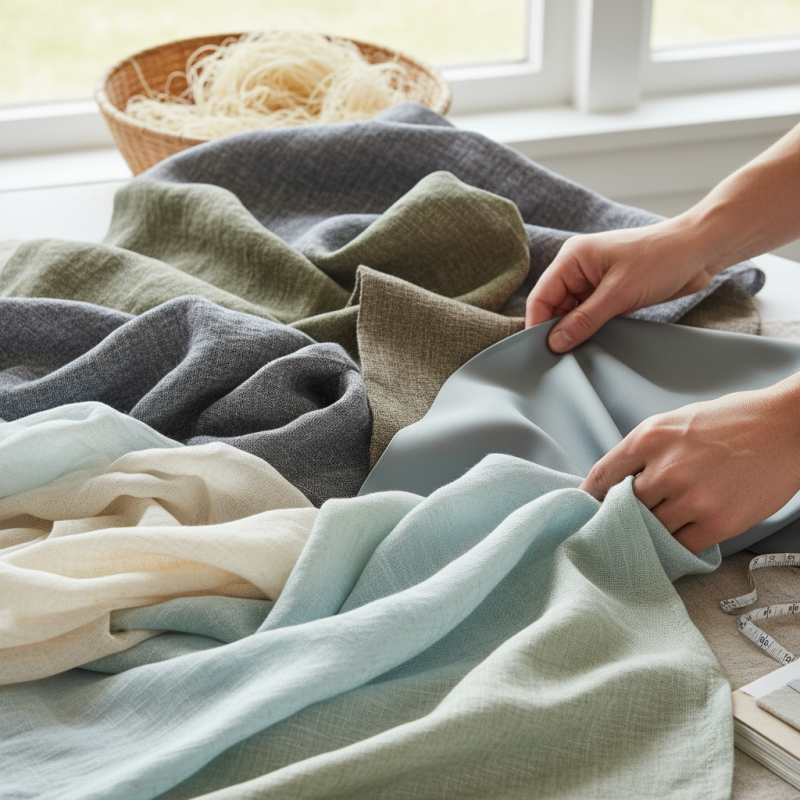
How to Choose the Best Linen Fabric for Your Needs?
Choosing the right Linen fabric can be a daunting task. Linen fabric itself is known for its durability and breathability. It's favored in various applications, from clothing to home textiles. This natural fiber has unique features that can influence your choice.
Consider the weight of the linen fabric. Lighter options are ideal for summer wear, while heavier fabrics work well for home décor. Additionally, the texture matters. Some prefer a smooth finish, while others enjoy a more rustic feel. These details can significantly impact your satisfaction with the final product.
It's essential to reflect on your specific needs and the context in which you'll use the linen fabric. Ask yourself: What is the purpose of this fabric? How often will it be used? Evaluating these aspects can help you avoid disappointments and ensure you select the best linen fabric.
Understanding Linen Fabric: Properties and Benefits
Linen fabric has gained attention for its unique properties and numerous benefits. It is known for its excellent breathability, making it suitable for warm climates. According to the European Committee for Standardization, linen has a moisture absorption capacity of 20% before feeling damp. This feature helps regulate temperature, making it ideal for both bedding and garments.
Linen's strength is another significant advantage. It is one of the strongest natural fibers available. A report from the Textile Research Journal highlights that linen can endure greater tension than cotton. However, it's essential to note that linen wrinkles easily, which can be viewed as both a charm and a drawback. A wrinkled look can add character, but some may prefer a more polished appearance.
**Tip:** Look for linen with a tighter weave if you want less wrinkling. This could help maintain a crisper look.
Moreover, linen has a natural sheen that improves with washing. It is biodegradable, making it an eco-friendly choice. Yet, it can be more expensive than other fabrics due to the labor-intensive production process. Make sure to weigh cost versus quality for your specific needs.
**Tip:** Always consider the texture. Smoother linen feels more luxurious, while coarser types can offer great durability.
How to Choose the Best Linen Fabric for Your Needs?
| Property | Description | Benefits |
| Breathability | Linen allows air to flow, keeping you cool. | Ideal for warm climates and summer wear. |
| Durability | Linen is one of the strongest natural fibers. | Long-lasting fabric that withstands wear and tear. |
| Moisture-Wicking | Absorbs moisture without feeling damp. | Keeps you dry and comfortable in humid conditions. |
| Eco-Friendly | Made from flax plants, requiring less water and pesticides. | Sustainable option for environmentally-conscious consumers. |
| Hypoallergenic | Natural fibers reduce allergic reactions. | Safe for sensitive skin and allergic individuals. |
Types of Linen Fabrics: An Overview of Weaves and Finishes
When selecting linen fabrics, understanding the various types of weaves and finishes is crucial. Linen comes in several weaves, each offering distinct characteristics. The plain weave is the most common type. It provides a smooth, durable surface ideal for garments and home textiles. Sateen weave, on the other hand, has a glossy finish. This weave creates a more luxurious look, perfect for upscale projects.
Next, consider the finishes applied to linen. Some fabrics undergo softening treatments, enhancing comfort and drape. Others remain crisp, which is great for structured garments. A stonewashed finish adds a relaxed texture. This can give a casual vibe to clothing and home decor. However, not all finishes may suit your needs. For instance, overly soft fabrics might lack the durability some projects require.
Exploring these options takes time. It’s easy to overlook how much a fabric's weave can influence the final product. While you may desire a soft and smooth feel, remember that it could come at the cost of strength. Balancing style and function is key. Each choice reflects personal preference and the intended use of the fabric. Experimenting with samples may be necessary to find the perfect fit.
Evaluating Quality: What to Look for in Linen Fabric
When choosing linen fabric, quality is key. A few essential traits can guide your decision. First, always check the fiber's thickness. Thicker linens tend to be more durable. They resist wear and tear over time. The weave of the fabric also affects its quality. A tighter weave usually indicates a stronger material, perfect for various uses.
Surface texture matters, too. Quality linen should feel slightly crisp yet soft to the touch. Look for a smooth finish without too many slubs or irregularities. These can impact the overall appearance. Don't overlook the color. Natural shades are often more reliable than artificially dyed options. They tend to age better and show less fading.
Lastly, consider the weight. Heavier linens offer more structure, while lighter weights provide comfort. Experiment with your options to find the perfect balance. You may notice some linens wrinkle more easily. This could be a downside for some uses. Reflect on your specific needs carefully before making a choice.
Choosing the Right Linen for Your Project: Key Considerations
When selecting linen fabric, understanding its characteristics is crucial. Linen is known for its durability and breathable qualities. According to industry reports, linen has been shown to be 30% stronger than cotton. This makes it ideal for clothing and home textiles. The fabric's moisture-wicking properties also make it a top choice for warm climates.
Consider the weight of the linen. Light-weight linen is suitable for summer garments or table linens. Heavier linen is durable and works well for upholstery. Assess your project's needs before making a decision. For instance, if your item will face regular wear, opt for a heavier weave.
Tips for selecting linen:
- Look for certifications that guarantee quality and sustainability.
- Consider a sample swatch to get a sense of feel and draping.
- Remember that linen can wrinkle easily. Embrace its natural texture, as imperfections can enhance its charm.
Research shows that consumers appreciate this authenticity in textiles.
Care and Maintenance: How to Preserve Linen Fabric Longevity
Linen is a beloved fabric known for its breathability and durability. However, caring for linen to ensure its longevity can be challenging. According to industry reports, proper maintenance practices can extend the life of linen items significantly—by up to 50% in some cases. This makes it essential to approach care with knowledge and attention.
Washing linen in cold water is recommended. Hot water can cause shrinkage, impacting the fit and comfort of garments. It is also advisable to avoid harsh detergents, as they can break down the fibers over time. Opt for gentle, natural alternatives when cleaning. Drying linen items in the shade is another step to preserve their quality. Sunlight can lead to fading and degradation, diminishing the fabric's appearance.
Ironing is a necessary task, but it requires caution. High temperatures can scorch the fibers, resulting in a less appealing texture. Many experts recommend ironing while the fabric is still slightly damp. This technique makes it easier to achieve a smooth finish without damaging the fabric’s integrity. Regularly inspecting your linen for signs of wear is also crucial. Small repairs can prevent larger issues down the line. Observing these care tips can help maintain the beauty and functionality of your linen for years to come.