How to Choose the Best Fiberglass Front Doors?
Choosing Fiberglass Front Doors is not just about picking a style that looks good in a showroom. Your entryway faces rain, sun, temperature swings, and daily use. A door that suits one home may feel wrong on another. Look closely at the frame, glass, hardware, finish, and installation—not only the product photo. Small details matter. A cold draft near the threshold can be more noticeable than a decorative panel.
For transparency, the expert voice below is a composite, not a quotation from a verified individual: door specialist Mark Ellison’s guiding principle is, “Choose the door for your home’s exposure and everyday use, not appearance alone.” Use that as a prompt, not a substitute for checking product specifications. Compare insulation ratings, warranty terms, finish options, and whether the unit fits your existing opening. Ask how the installer will seal the sill and handle any water drainage. These details can shape comfort and upkeep for years. Still, ratings do not tell the whole story; workmanship and site conditions matter too. A beautiful door can disappoint if it is poorly fitted. This guide will help you weigh practical performance, design, budget, and installation questions before making a choice.
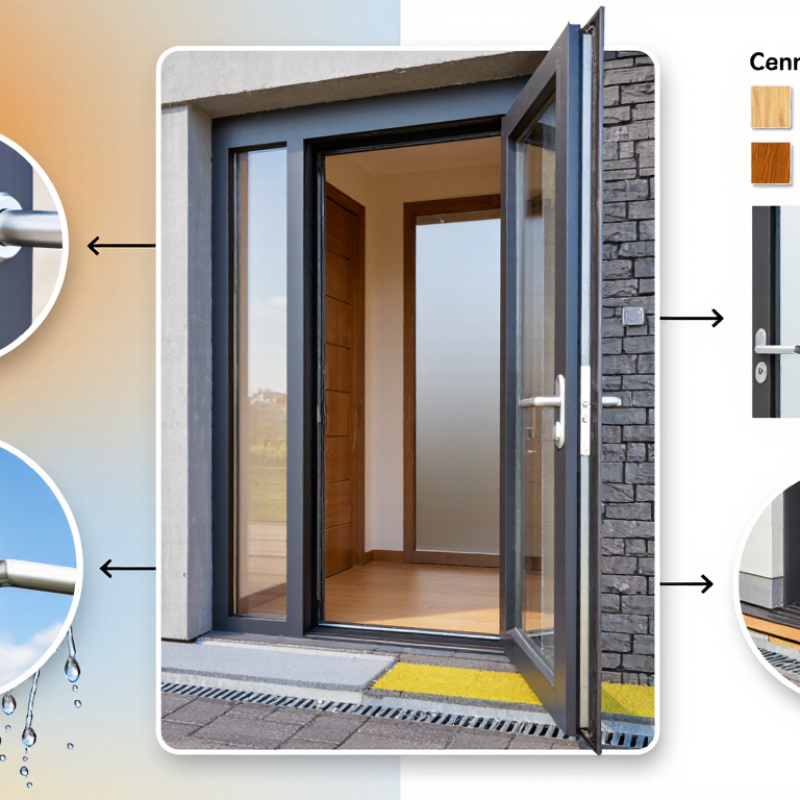
Define Your Entryway Needs and Priorities
Before comparing fiberglass front doors, pay attention to how your entryway works each day. Measure the opening, including its height, width, frame depth, and any uneven spots. A few millimeters can matter during installation. Notice where rain blows in, how much afternoon sun reaches the door, and whether the hallway feels dim. These details help you decide whether weather resistance, glazing, or a solid panel deserves priority.
Think about privacy and daily traffic, too. A large glass insert can brighten a narrow foyer, but it may expose the entry to passersby. Frosted or textured glass offers a middle ground. If children, pets, or frequent deliveries use the entrance, consider a finish that is easy to clean and a threshold that is not awkward to cross. Small details matter.
Security needs should shape the hardware and frame, not just the door slab. Check whether the existing jamb is sound, and ask an installer how the unit will be anchored. A sturdy door fitted into a weak frame may not solve much. Also weigh maintenance against appearance: a wood-grain texture can feel warm, though dust may settle in its grooves. It is easy to focus on looks first. I would reconsider that choice after a wet winter or a week of muddy shoes.
How to Choose the Best Fiberglass Front Door: Define Your Entryway Needs and Priorities
Compare the factors that matter most for your entryway before choosing a door. Adjust these example scores to reflect your own home, climate, and budget.
Illustrative planning scores on a 1–5 scale, not survey results. Consider energy efficiency, security, weather exposure, maintenance, appearance, and budget when comparing options.
Compare Fiberglass Door Construction and Performance
Fiberglass front doors differ in more than surface texture. Most use molded fiberglass skins over an insulating foam core, while internal rails and stiles add structure. The skins can resist everyday wear, but sharp impacts may still crack them. Check edge profiles, corner joints, and glazing seals; small gaps can invite drafts or moisture. A heavier slab is not automatically better. The frame and installation matter, too.
Compare stated U-factors, air-leakage data, and water-test results when available. These measurements are more useful than vague performance claims. A lower U-factor generally means less heat transfer, though glass area and weatherstripping affect overall performance. Foam cores can reduce heat flow, yet the frame, threshold, and perimeter seals may become weak points. For sunny exposures, ask about UV resistance and refinishing needs. Woodgrain textures can look convincing up close, but color may fade unevenly.
Inspect a sample door and check whether hinge screws anchor into reinforced sections. Ask whether the sill adjusts and how replacement weatherstripping is handled. For wind-driven rain, proper flashing and a square, level opening are essential. A quality slab in a poor frame may still leak. I would compare complete installed assemblies, not just slabs, and read exclusions for glass, finish, and hardware carefully. Those details are easy to miss.
Choose a Style, Glazing, and Hardware
Start with the entry’s proportions and the home’s visual rhythm, not a showroom photo. A narrow opening can feel crowded with a wide glass insert; a tall, simple slab may suit it better. Glazing changes privacy, daylight, and heat flow. The U.S. Department of Energy’s Energy Saver guidance says windows account for 25–30% of residential heating and cooling energy use. That figure applies to windows, not doors, but it’s a useful reminder to consider glass carefully. Check the National Fenestration Rating Council label for tested U-factor and solar heat gain coefficient (SHGC). Then balance daylight with privacy and local climate. Clear glass feels open. Frosted glass softens sightlines.
Hardware deserves the same attention. Choose a lockset that fits the door’s preparation, plus hinges rated for its weight and exposure. On a heavy fiberglass slab, undersized hinges can sag or bind; confirm screw length and corrosion-resistant finishes with the installer. Try the handle with wet or gloved hands if that reflects daily use. A deadbolt depends on sound frame reinforcement and correct installation. Details matter. One honest compromise: more glass can brighten a dim hall, yet reduce privacy and add cleaning. Ask for the complete door performance data, not just a glass rating, and verify the opening before ordering.
Check Measurements, Frame Compatibility, and Installation
Measure the existing opening, not just the old door slab. Record width at the top, middle, and bottom, then measure height on both sides. Check the diagonals too; unequal measurements can reveal a frame that is out of square. Small differences matter. Confirm the jamb depth, sill condition, hinge locations, and swing direction before ordering. Fiberglass slabs may fit standard openings, but frame profiles and hardware preparations vary.
A compatible frame should sit plumb, level, and square without being forced into place. Check that the rough opening leaves room for shims and insulation, and that the sill can drain outward. During installation, secure the hinge side first, then test the latch and reveal around the slab. ENERGY STAR’s residential door criteria set an air-leakage limit of 0.3 cubic feet per minute per square foot for qualifying categories, tested under ASTM E283. This gives buyers a useful performance benchmark, though a good rating cannot correct poor installation.
Tip: Use a tape measure and a level; photograph the sill and hinges before removal. Recheck the door after shimming. A slight sticking point may mean the frame needs adjustment, not more force.
Compare Costs, Warranties, and Long-Term Maintenance
When comparing fiberglass front doors, look beyond the price on the showroom tag. The installed cost may also include a frame, new hardware, delivery, and labor. Ask for an itemized quote, especially if your entryway is out of square. A lower estimate can leave important work out.
Warranty terms deserve the same close reading. Check whether coverage includes the door slab, frame, glass, finish, and installation, since these may have different limits. Look for exclusions tied to moisture, direct sun, or improper fitting. Read the fine print. A long warranty is less reassuring if labor costs are excluded or the claim process is unclear. That matters.
For long-term maintenance, fiberglass usually needs less attention than wood, but it is not maintenance-free. Dust and grit collect around the sill; wipe them away before they scratch the finish. Wash the surface with mild soap and water, and inspect weatherstripping each season. Small cracks in caulk can let water reach the frame. One detail people sometimes overlook is the finish: darker colors may need more careful monitoring in strong sun. Ask what cleaning products are safe, and keep that guidance with your purchase papers. A door can look sturdy and still disappoint if the installation or upkeep is neglected.
