Sorry, your browser is not supported. For a better experience, keep your browser up to date. Check here for latest versions
Choosing the best protection for your Car Surface depends on how the vehicle is used, stored, and maintained. A daily commuter faces road salt, brake dust, rain, sunlight, and crowded parking spaces. A weekend sports car may need a different approach. Paint protection film, ceramic coatings, wax, and sealants each solve different problems. None is perfect.
Real-world inspection should guide the decision. Check the paint under direct light. Look for swirl marks, fading, water spots, or exposed chips. Touch the panel after washing. A rough texture can reveal bonded contaminants that ordinary shampoo misses. Professional detailers often recommend correcting the paint before applying protection. Otherwise, defects may remain visible beneath a coating or film.
Consider durability, appearance, maintenance, and installation quality together. Ceramic coatings can create strong water behavior and simplify washing, but they do not stop every stone chip. Paint protection film offers physical impact resistance, yet its cost and installation standards vary. Wax gives a warm finish and easy application, but it usually needs frequent renewal. This is where many buyers misjudge the product.
More protection is not always better.
A reliable choice also includes honest expectations. Product claims should be compared with manufacturer instructions, independent reviews, and the installer’s experience. Ask about surface preparation, curing time, warranty terms, and repair procedures. Weather, driving distance, washing habits, and budget matter equally. The best system is not the most expensive option. It is the one that fits the vehicle’s actual life and can be maintained consistently. Mistakes happen, even with careful work. Regular inspection remains essential.
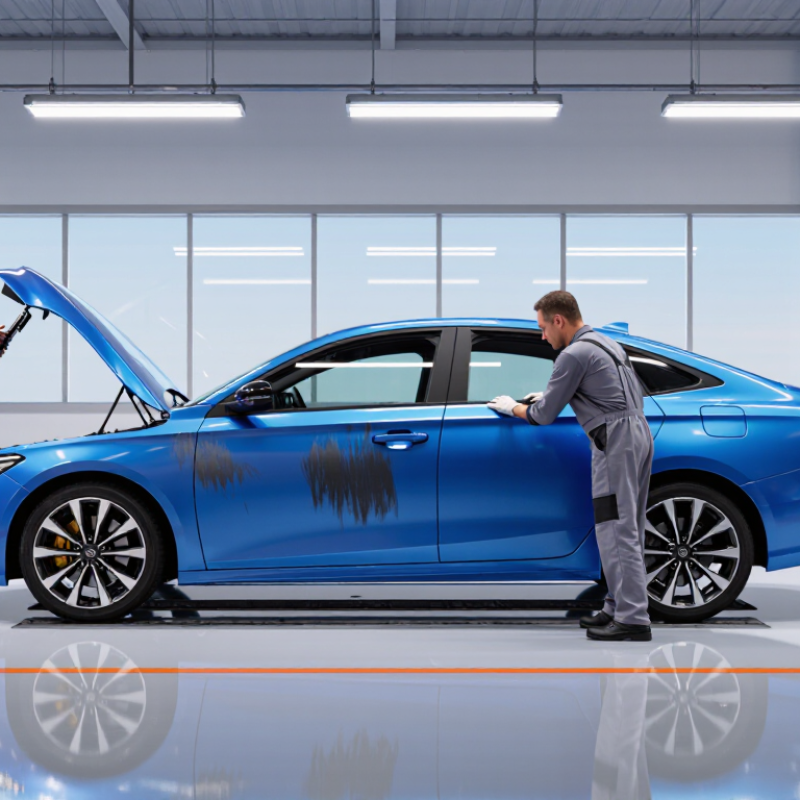
Car surface protection comes in several forms, and each solves a different problem. Wax adds warm gloss and helps water bead, but its protection usually fades within weeks. Synthetic sealants last longer and resist sunlight, road dust, and light chemical stains. They suit drivers who want practical maintenance without complex preparation.
Ceramic coatings create a hard, bonded layer over properly prepared paint. They improve water behavior and make washing easier, but they cannot stop stone chips or deep scratches. Paint protection film offers stronger physical defense. It covers vulnerable areas, such as the front bumper, hood edge, and mirror caps. From hands-on detailing, I have noticed that preparation matters more than many owners expect. Tiny dust particles can remain visible under a coating. I learned that the hard way.
Tips: Match protection to your driving routine. Choose film for highway use, sealant for simple upkeep, and coating for long-term gloss. Clean the paint carefully first. A soft towel and pH-balanced soap help reduce new marks. Do not treat ceramic protection as permanent armor. Its performance depends on washing habits, weather, and surface condition. A small test area is wise, especially when the paint is older or has previous repairs.
Assess the paint before choosing any protection. Look for oxidation, water spots, swirl marks, stone chips, and uneven gloss under daylight. A paint coating cannot repair damaged clear coat. It may even highlight defects. S&P Global Mobility’s 2024 report placed the average U.S. light vehicle age at 12.6 years. Older vehicles often need correction before protection.
Your driving pattern matters. Highway commuters face gravel, insects, and frequent washing. Urban drivers meet brake dust, pollution, and tight parking spaces. Coastal owners should watch for salt-laden air. The U.S. Geological Survey’s Mineral Commodity Summaries 2024 identifies highway deicing as a major salt use in the United States. That exposure can accelerate corrosion around chips and panel gaps. Strong sunlight also changes the decision. NOAA’s UV Index classifies levels of 6 and above as high or very high. Regular outdoor parking deserves stronger UV resistance.
Tips: Wash a small panel first. Check whether stains remain. If the paint feels rough, use professional decontamination. Choose a paint film for repeated impact, a coating for chemical and UV resistance, or a simpler sealant for easier maintenance. Do not ignore preparation. It is the part people often underestimate. Even careful owners sometimes choose maximum protection when regular washing would be enough. Baebele
How to Choose the Best Car Surface Protection?
Durability should match your driving environment, not marketing claims. A quality ceramic coating can resist chemicals, UV exposure, and light contamination. However, it will not stop stone chips. Paint protection film offers stronger impact resistance, especially on bumpers and hood edges. ASTM D3359 adhesion tests and ASTM D4060 abrasion tests provide useful laboratory comparisons, but neither fully predicts daily road wear.
Appearance also depends on the paint’s condition. A polished surface can look deeper before protection is applied. Coatings usually create a sharp gloss, while film may slightly change reflections at certain angles. Wax and sealants offer attractive results with less commitment. They fade faster, though. That trade-off is easy to overlook. A perfect finish is not always the most practical finish.
Maintenance and cost require honest budgeting. Ceramic coatings reduce water spotting and make washing easier, but preparation and periodic inspection remain necessary. Film costs more initially, yet replacing one damaged panel can be cheaper than repainting it. AAA’s 2024 Your Driving Costs report places maintenance, repair, and tire expenses at roughly ten cents per mile. Protection may reduce some cosmetic repairs, but savings are not guaranteed. I would compare warranty terms, preparation quality, expected service life, and local labor rates before choosing. A cheaper installation can become expensive when edges lift or contamination remains underneath.
| Protection Type | Typical Service Life | Durability and Protection | Appearance | Maintenance Requirements | Typical Installed Cost (USD) | Best Suited For | Overall Value |
|---|---|---|---|---|---|---|---|
| Carnauba Wax | 1–3 months | Provides light water repellency and limited resistance to UV exposure, dust, and minor surface contamination. Does not protect against stone chips or significant scratches. | Warm, glossy appearance with a smooth finish. Often preferred for classic or show-style vehicles. | Requires frequent reapplication. The vehicle should be washed with a pH-neutral shampoo and dried without abrasive materials. | $50–$200 | Owners who want an inexpensive cosmetic enhancement and enjoy regular detailing. | ★★★★☆ Excellent short-term appearance |
| Synthetic Paint Sealant | 4–12 months | Offers better chemical, UV, and weather resistance than traditional wax. It still provides little protection from impact damage, deep scratches, or road debris. | Clear, reflective gloss with a sharper appearance than most natural waxes. | Relatively easy to maintain. Periodic washing and occasional surface decontamination help preserve water behavior. | $100–$350 | Daily drivers seeking a practical balance between cost, gloss, and durability. | ★★★★★ Strong value for routine use |
| Ceramic Spray Coating | 3–12 months | Improves resistance to water spots, road film, and some chemical contaminants. Protection varies considerably with product formulation and surface preparation. | Glossy finish with noticeable water beading, although it generally provides less depth and longevity than a professionally applied coating. | Simple to refresh during detailing. Incorrect application can leave streaks or high spots, so careful removal is important. | $80–$400 | Owners who want easy application and more performance than ordinary wax. | ★★★★☆ Affordable, but less durable |
| Professional Ceramic Coating | 2–5 years | Provides strong resistance to UV exposure, oxidation, detergents, and environmental contamination. It does not make paint scratch-proof and does not reliably stop stone-chip damage. | High gloss, strong reflectivity, and consistent hydrophobic behavior when correctly installed on prepared paint. | Requires regular washing, prompt removal of bird droppings and insects, and periodic decontamination. Automatic brushes should be avoided. | $800–$2,500 | Owners who want long-term gloss retention and easier routine cleaning. | ★★★★☆ High performance with higher upfront cost |
| Paint Protection Film (PPF) | 5–10 years | Provides the strongest protection against stone chips, light scratches, road debris, and abrasion. It is a physical film and can be replaced panel by panel if damaged. | Modern clear films can preserve the original paint appearance. Finish and clarity depend heavily on film quality and installation. | Wash with non-abrasive methods and avoid aggressive polishing of the film. Damaged sections may require professional replacement. | $1,500–$6,000+ | Vehicles frequently driven on highways, behind trucks, or in areas with loose road debris. | ★★★★★ Best impact protection |
| Vinyl Color-Change Film | 3–7 years | Offers moderate protection from minor abrasions, sunlight, and everyday contamination. It is not designed to provide the same impact protection as PPF. | Available in many colors, textures, satin finishes, and gloss levels. The visual result depends on panel condition and installation quality. | Requires gentle hand washing and careful attention around edges and seams. Harsh chemicals and high heat can shorten its service life. | $2,000–$5,000+ | Owners who want to change the vehicle’s color while adding moderate surface protection. | ★★★☆☆ Best for styling flexibility |
Cost and service-life figures are typical ranges for passenger vehicles and vary with vehicle size, paint condition, climate, preparation quality, installation method, and maintenance habits. No surface coating makes automotive paint completely scratch-proof.
How to Choose the Best Car Surface Protection?
Matching Protection Options to Your Car Care Priorities
Choosing car surface protection starts with your routine, not the most expensive-looking option. If you drive highways daily, paint protection film can reduce damage from gravel, insects, and road debris. It suits front bumpers, hoods, mirrors, and door edges, where chips usually appear. However, film requires precise installation and careful edge inspection.
For easier cleaning and stronger resistance to water spots, a ceramic coating may fit your priorities. It can help water bead across the paint and make dust easier to remove. It cannot prevent deep scratches or careless washing. Wax and synthetic sealants offer a lower-cost refresh, but they need more frequent application, especially under strong sunlight or heavy rain.
Your local conditions matter. Coastal air, winter salt, and dusty roads create different maintenance demands. Before choosing, inspect the paint under direct light for swirls, stains, or fading. Surface correction may be necessary before any coating or film is applied. A trained installer should explain preparation, curing time, warranty limits, and aftercare in clear language.
I once underestimated washing habits. A soft coating still suffers from rough towels and automatic brushes. Use a clean microfiber mitt, gentle soap, and separate wheels from painted panels. No protection is maintenance-free. That part is easy to forget.
Matching protection options to your car-care priorities
Scores use a typical 1–10 comparison scale based on the general characteristics of each protection type: wax is easy and affordable, paint sealants offer longer-lasting water and UV resistance, ceramic coatings provide strong chemical resistance and gloss, and paint protection film offers the highest defense against stone chips and scratches. Actual performance depends on product quality, installation, climate, washing habits, and vehicle use.
How to Choose the Best Car Surface Protection?
Planning a Proper Application and Long-Term Maintenance Routine
Choosing surface protection starts with the car’s condition, not the product label. Inspect the paint under a bright inspection lamp for scratches, oxidation, water spots, and previous repairs. Wash the vehicle thoroughly, then remove bonded contamination with a suitable clay alternative or chemical cleaner. The surface must feel smooth and look evenly clean. I once rushed this stage and noticed trapped dust beneath the protection. It was a preventable mistake.
Apply the protection in a cool, shaded, dust-free area. Check the recommended temperature, humidity, curing time, and preparation steps. Work on small sections, using clean microfiber towels and light, overlapping movements. Do not apply too much material. Excess product can create streaks, uneven gloss, or difficult residue. Test a hidden area first, especially on repainted panels or delicate trim. Proper lighting helps reveal missed sections before the surface cures.
Maintenance should be simple enough to follow every week. Rinse loose dirt before washing, and use separate tools for wheels and painted panels. Dry with a clean towel rather than allowing mineral-rich water to evaporate. Inspect the finish monthly for reduced water behavior, roughness, or dull patches. Keep a written care record. It may seem unnecessary, but it exposes neglected habits. I still overlook small areas around badges sometimes. Gentle correction is usually safer than aggressive polishing. Follow the protection manufacturer’s care limits and seek trained inspection when the finish changes unexpectedly.