How to Choose the Best Aluminium Profile Extrusion for Your Needs?
Choosing the best Aluminium Profile Extrusion can be a daunting task. With numerous options available, it's vital to understand what suits your specific needs. Industry expert John Smith once stated, "The right aluminium profile can transform an entire project." This highlights the significance of making an informed choice.
Aluminium Profile Extrusions come in various shapes and sizes. Each profile serves different purposes. For instance, some are designed for structural strength, while others prioritize aesthetics. Understanding your project’s requirements is essential for selecting the right profile. Engaging with manufacturers can provide insights into various options.
However, not all advice is equal. Experts often have varying opinions on what constitutes the best choice. This makes it essential to seek diverse perspectives. Every project has unique needs. Reflecting on this can help identify what you truly value in your Aluminium Profile Extrusion.
Understanding Aluminium Profile Extrusions: Key Definitions and Types
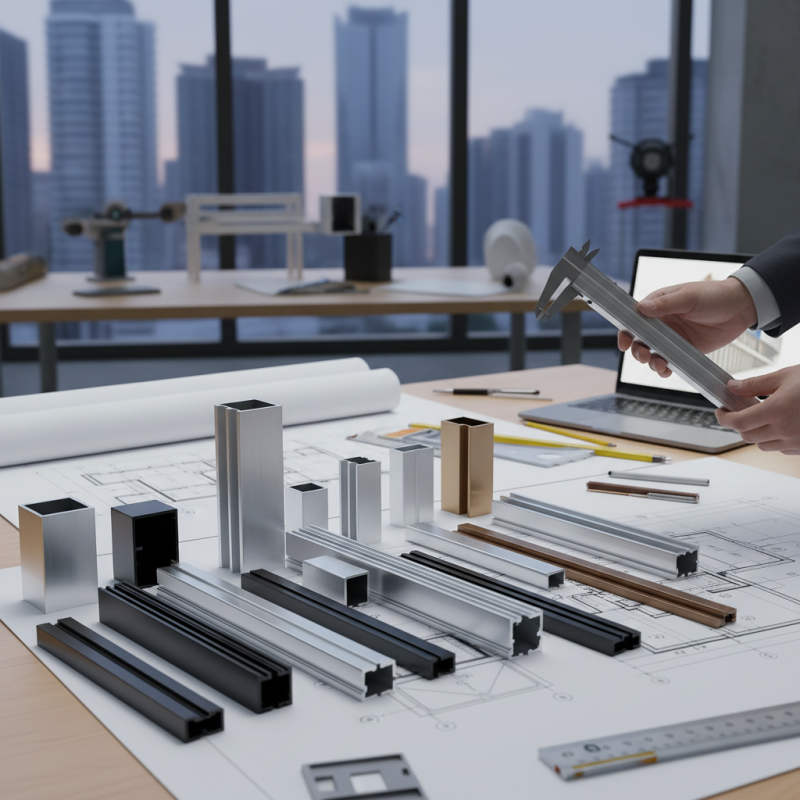
Aluminium profile extrusions are essential in various industries. They serve in construction, electronics, and automotive sectors. Understanding their key definitions and types can help in making informed decisions.
There are several types of aluminium profiles, including structural, decorative, and functional designs. Structural profiles are often used in frameworks and supports. These can handle high loads, making them ideal for large projects. Decorative profiles, on the other hand, focus on aesthetics. They are used in signage and interior design. Functional profiles serve specific roles, such as heat sinks in electronics, efficiently dissipating heat.
According to industry reports, the global aluminium extrusion market is expected to grow significantly. It is projected to reach approximately $102 billion by 2027, with a compound annual growth rate (CAGR) of 5.3% from 2020 to 2027. This growth highlights the increasing importance of aluminium profiles in various applications. Selecting the right type of extrusion can lead to project success, but it requires careful consideration of specific needs and performance requirements.
Aluminium Profile Extrusions Types and Their Applications
Factors to Consider When Selecting Aluminium Profiles for Specific Applications
Choosing the right aluminium profile extrusion is crucial for various applications. The selection process involves multiple factors that can greatly affect performance and efficiency. First, consider the specific requirements of your project. Factors like load-bearing capacity and environmental conditions matter. For instance, coastal areas may demand profiles with enhanced corrosion resistance.
Another critical aspect is the design versatility. Do you need intricate shapes or straightforward profiles? Customization options might be necessary for more complex designs. The thickness of the profiles also plays a role in durability. Thicker profiles can offer more strength but may increase weight, which could be a downside in some applications.
Finally, assess the manufacturing quality. Look for profiles that adhere to industry standards. Poor quality can lead to structural failures or costly repairs. It's also important to reflect on your supplier's reliability. Choosing a reputable source can mitigate risks related to material defects. As with any aspect, it’s wise to weigh the pros and cons before making a decision. This will ensure that you select the best aluminium profile for your specific needs.
Industry Standards: How to Ensure Quality in Aluminium Extrusion Products
When choosing an aluminium profile extrusion, understanding industry standards is crucial for ensuring product quality. Reliable aluminium extrusions meet specific guidelines and certifications. Look for compliance with established norms such as ISO 9001 or ASTM, which govern production processes and material properties. These standards provide assurance of durability and performance.
Moreover, not every manufacturer adheres to these benchmarks. Some might claim compliance without proper certification. It is essential to verify the credentials of your supplier. Request documentation and samples to assess quality. Pay attention to the surface finish and tolerances specified in the product data sheets.
Experience plays a vital role here. Consulting with industry experts can provide insights into commonly overlooked details. For instance, the choice of alloy affects strength and corrosion resistance. Be prepared for necessary adjustments in your design, as not all extrusions will suit your needs perfectly. Always weigh options carefully, considering the project requirements and potential costs.
Comparative Analysis of Aluminium Alloys Used in Extrusion Processes
When selecting aluminium profiles, understanding the alloys is crucial. Different alloys serve various purposes, impacting strength, weight, and durability. Common alloys include 6061, 6063, and 7075. Each has unique properties that define its application. For example, 6061 is known for its versatility, while 7075 is recognized for its strength.
Considering the extrusion process involves heat and pressure, choosing the right alloy becomes essential. 6063 is often preferred for architectural applications due to its smooth finish and good workability. However, it may not withstand extreme stresses as well as 7075. Engineers and designers must reflect on these traits carefully.
Moreover, the environment matters. Some alloys resist corrosion better than others. If exposed to harsh conditions, a more robust alloy might be necessary. However, this can lead to higher costs. Balancing functionality with budget can be a tricky path. Reflection on specific project needs will lead to a more informed choice.
How to Choose the Best Aluminium Profile Extrusion for Your Needs? - Comparative Analysis of Aluminium Alloys Used in Extrusion Processes
| Aluminium Alloy | Main Features | Strength (MPa) | Weight (g/m) | Corrosion Resistance | Typical Applications |
| 6061 | Good machinability, weldable | 250 | 2.70 | Moderate | Structural applications, automotive |
| 6063 | Excellent surface finish, good extrudability | 230 | 2.70 | High | Architectural applications, window frames |
| 7005 | High strength, excellent welding characteristics | 300 | 2.70 | Moderate | Bicycle frames, sports equipment |
| 2024 | Excellent fatigue resistance | 440 | 2.78 | Low | Aerospace, military applications |
| 5083 | Very good corrosion resistance, high strength | 315 | 2.75 | High | Marine structures, pressure vessels |
Cost Implications: Budgeting for Aluminium Profile Extrusion Projects
When budgeting for aluminium profile extrusion projects, cost is a major consideration. Understanding the various factors influencing expense can help you allocate funds more effectively. The complexity of the design, the type of aluminium used, and the production volume all impact pricing. Simple designs may require less machining, which can lower costs. However, intricate profiles can lead to higher labor and material expenses.
Selecting the right supplier plays a critical role in cost management. Not all suppliers offer the same pricing structures. It's essential to request quotes and compare them side by side. A lower initial quote may have hidden costs, such as shipping fees or longer lead times. Always ask about these details upfront to avoid unexpected financial burdens.
Another point of reflection is the long-term value of your choice. Investing more initially might save costs in maintenance and durability later. While staying within a budget is important, prioritizing quality can lead to better overall savings. Consider the trade-offs between upfront costs and lifetime performance carefully. This reflection can guide you to make better decisions in your project’s planning stages.
