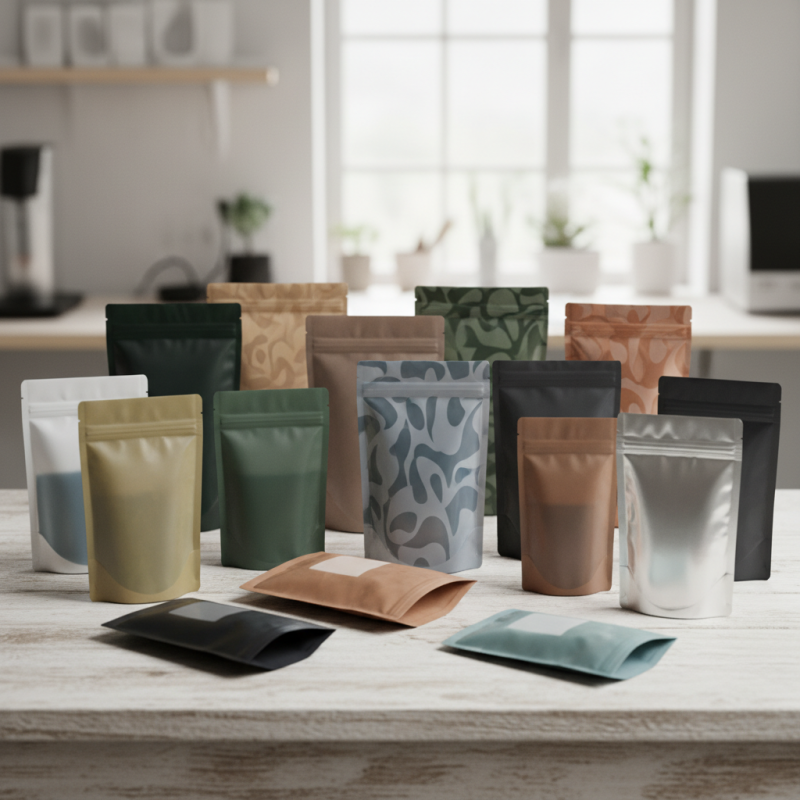
How to Choose the Right Bottom Gusset Pouches for Your Needs?
Selecting the right Bottom Gusset Pouches is crucial for packaging effectiveness. According to packaging expert Jane Roberts, "The right pouch can elevate your product's appeal and functionality." Bottom Gusset Pouches offer extra space for product display, making them popular in various industries.
When choosing the right pouches, consider your product's weight and dimensions. Pouches should be both attractive and durable. Jane emphasizes that "many overlook the importance of material quality." Low-quality options may lead to product damage or ineffective branding.
Ultimately, aesthetics and functionality must align. Think about the colors, prints, and finishes that reflect your brand. Remember, a pouch should not only protect but also entice customers. As you navigate through choices, reflect on how different designs might represent your values.
Understanding Bottom Gusset Pouches: Key Features and Benefits
Bottom gusset pouches are versatile packaging options that stand out for their unique design. These pouches have an expandable bottom that allows them to hold more contents compared to flat pouches. Manufacturers often choose them for food, cosmetics, and household products. The key benefit lies in their ability to stand upright, enhancing visibility and shelf appeal. This feature makes them attractive for retail display.
When selecting bottom gusset pouches, consider the material and thickness. Various options are available, including plastic and foil, each offering different barrier properties. For instance, a thicker material provides better protection against moisture and light, preserving product integrity. Additionally, seal types like zipper or heat seal can impact usability. It’s important to reflect on these aspects, as the wrong choice could lead to leaks or spoilage.
Design customization is another critical element. You can print on these pouches to enhance brand recognition and provide vital information. However, balancing aesthetics and functionality is essential. Complex designs might compromise clarity. Always keep in mind the target audience and product type. Selecting the right bottom gusset pouch requires careful consideration of various factors to achieve optimal results.
How to Choose the Right Bottom Gusset Pouches for Your Needs?
This bar chart illustrates the importance level of different features when choosing bottom gusset pouches, rated on a scale from 1 to 10. Material quality is the most critical factor, followed by size options and cost effectiveness.
Factors to Consider When Choosing Material for Bottom Gusset Pouches
When selecting bottom gusset pouches, the material is a key factor. Many manufacturers prefer materials that offer balance between durability and flexibility. Reports indicate that 30% of products fail due to inadequate packaging. This highlights the need for careful choice.
Plastic films, like polyethylene, are common. They provide excellent moisture resistance. However, a study found that up to 25% of consumers prefer biodegradable options. This trend is growing due to environmental awareness. Choosing compostable materials can enhance brand perception.
Another consideration is the thickness of the material. Thicker pouches offer better protection but can increase costs. Some reports suggest that lighter materials can save shipping expenses. It's crucial to evaluate both performance and budget. Finding the right material may require testing different options before making a final decision. Trial runs can reveal unexpected issues.
Choosing the Right Size: Measuring and Capacity Considerations
Choosing the right size of bottom gusset pouches involves careful consideration of measuring and capacity. Understanding the dimensions is crucial. A survey by the Flexible Packaging Association indicates that packaging size affects consumer perception and purchasing decisions by nearly 70%. If the dimensions are not matched with the product volume, the entire packaging strategy can fail.
When selecting pouches, pay attention to both width and height. Gusset pouches expand to accommodate a larger volume. For instance, a pouch that is 6 inches wide and 10 inches tall can often hold products more effectively than a flat pouch of the same height. It's essential to think about not just the current product line but future needs as well. A study showed that flexible packaging could increase shelf life by 40%, underscoring the importance of correct sizing for longevity.
Remember to measure your products accurately. A slight error can lead to empty space or inadequate protection, diminishing the pouch's function. Reflecting on your capacity expectations is vital. Evaluate your production volumes and market trends. This foresight can help ensure that your choice of pouches aligns with consumer demand without overspending on excess capacity.
Cost Analysis: Budgeting for Bottom Gusset Pouches Without Compromising Quality
When selecting bottom gusset pouches, cost plays a crucial role. You want to ensure that your budget aligns with quality. High-quality pouches protect your products better but might come at a premium. Cheap options might lead to issues like leaking or broken seals. Such problems can cost you more in the long run. Balancing cost with durability is key.
Consider your specific needs. Are you packaging food items or non-food items? Different materials offer varying levels of protection. Custom sizes may also affect pricing. If you opt for custom sizes, ensure they meet your storage and transport requirements. This can save you from purchasing additional packaging solutions later.
**Tip:** Research multiple suppliers. Compare their prices and quality. A quick online search can reveal customer reviews. Look for insights on durability and reliability. This can help in making an informed choice. Also, factor in shipping costs. Sometimes, low product prices can be negated by high shipping fees. Remain aware of any hidden costs that may arise in bulk orders.