How to Choose Restroom Stall Walls for Your Facility?
Choosing the right Restroom Stall Walls is crucial for any facility. Many factors influence this decision, from aesthetics to durability. According to industry expert John Smith, “The right restroom stall walls enhance user experience and ensure privacy.”
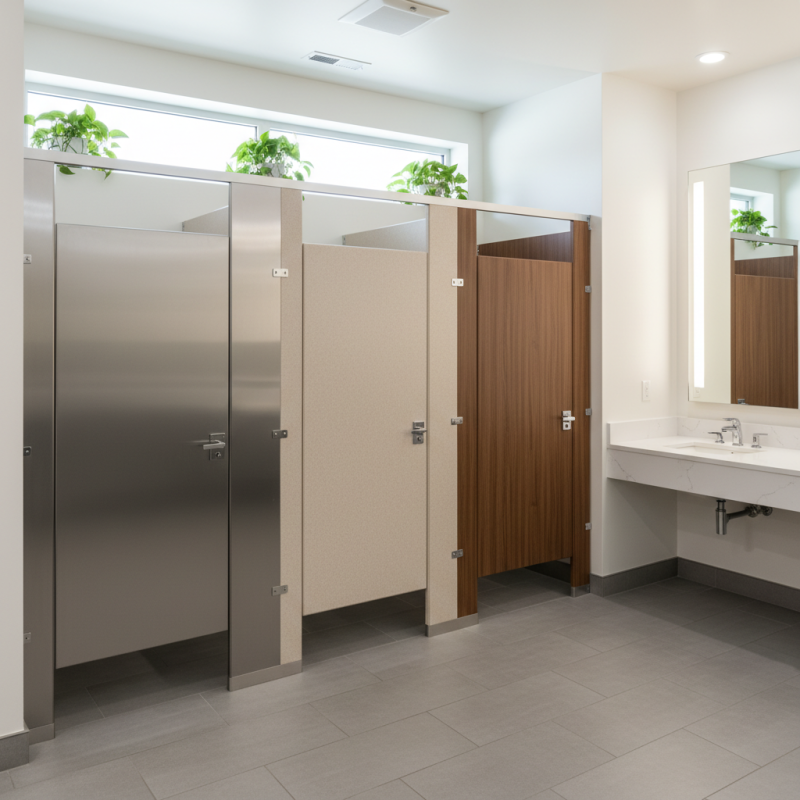
Selecting restroom stall walls can be daunting. There are various materials like plastic, metal, and laminate. Each has pros and cons. For instance, metal is durable but can be cold. Meanwhile, plastic is warmer but prone to scratches. It's essential to strike a balance based on your facility's needs.
Consider the cleaning and maintenance aspects too. Some materials may require more upkeep than others. This can impact long-term costs. Reflect on your space's design, including colors and styles, which should align with your brand. Choosing restroom stall walls isn’t just a matter of function; it's about creating a welcoming atmosphere.
Assessing the Importance of Restroom Stall Walls in Facility Design
Restroom stall walls play a crucial role in facility design. They ensure privacy, comfort, and sanitation. Poorly chosen walls can lead to a negative experience. Privacy is vital. Users appreciate feeling secure while using the facilities. This aspect should never be overlooked.
Material selection matters significantly. Some materials are more durable but may feel cold or uninviting. Consider the overall ambiance of the restroom. Bright colors can foster a welcoming space, while dark shades might make it feel cramped. Reflect on how these choices impact user experience.
Accessibility is critical too. Walls should accommodate everyone, including people with disabilities. Without careful consideration, you may inadvertently create barriers. Regular assessments of restroom conditions can highlight pressing issues. Don't wait until complaints arise; proactive evaluations can improve user satisfaction.
Evaluating Material Options for Durability and Aesthetics
Choosing restroom stall walls involves careful evaluation of materials. Durability and aesthetics play crucial roles in this decision. Try to envision the look of your facility. Do you want something modern or classic? The choice of materials can set the tone for the entire restroom.
When considering durability, think about moisture resistance. Materials like solid plastic or metal can withstand higher humidity levels. They are less prone to warping and damage. Tile might look great, but it may crack over time. Ask yourself, how much maintenance are you willing to perform? Some materials require frequent cleaning or repairs, which could be a hassle.
Tip: Always look for materials that are easy to clean. Non-porous surfaces can save you time and effort. Aesthetics matter too. Choose colors and designs that reflect your facility’s vibe. Sometimes, unique patterns can hide wear and tear better than plain options. Balancing durability with visual appeal requires thoughtful consideration. Take your time to evaluate each option and its long-term impact on your space.
Understanding Privacy Considerations and Standards in Restroom Design
When designing restroom stalls, privacy is crucial. Users expect to feel secure. Poor designs can lead to discomfort. Many factors affect privacy. Stall height, gaps, and materials are essential considerations. Each factor needs careful attention.
Tips: Choose wall heights wisely. Taller walls promote better privacy. Consider using sound-absorbing materials. They can help mask noises. Evaluate the gap under the stall doors. Too much space can feel intrusive.
Some users may feel uneasy regardless of design. Certain materials reflect light, making stalls feel less private. Look at how light interacts with materials. You want a balance of safety and comfort. Test various layouts and see how they affect user perception. A stall can feel open even if it isn't. Prioritize feedback from actual users during the design process. This approach can lead to improvements.
Analyzing Budget Implications and Cost-Effectiveness of Stall Walls
Choosing restroom stall walls involves considering budget implications and cost-effectiveness. Different materials have varied price points. For instance, plastic laminate often falls on the lower end, while solid surface materials can be more expensive. It’s essential to balance cost with durability. A cheaper option may not last as long and could lead to higher replacement costs later.
Reflecting on long-term sustainability is crucial. Investing in high-quality materials can save money in the long run. A facility may initially save money with cheaper walls, but ongoing maintenance could add up quickly. There’s a risk in underestimating how often restrooms are used. In busy environments, walls endure significant wear and tear.
Not every choice is straightforward. Some materials might look appealing but don’t perform well under heavy usage. It's important to evaluate the specific needs of your facility. Consider the number of users and cleaning protocols. The right balance of aesthetic appeal and functionality can sometimes be elusive. Effective decision-making requires careful thought and analysis. Making impulsive choices can lead to regrets down the line.
Exploring Trends in Sustainable and Eco-Friendly Bathroom Stall Materials
Choosing sustainable and eco-friendly materials for restroom stall walls is critical. Many facilities now prioritize green solutions. Options like recycled plastic and reclaimed wood are becoming popular. These materials can reduce waste and lower carbon footprints.
However, not all sustainable materials are created equal. Some may require more maintenance or may not be as durable. It’s essential to evaluate options carefully. Performance and longevity are important. There is also a need for aesthetics in design. A balance between functionality and the environment can be tricky.
The trend is clear: businesses seek eco-conscious choices. But decision-makers sometimes overlook the real impact of their choices. Understanding the life cycle of materials is crucial. Transparent sourcing and manufacturing processes should also be a priority. Ultimately, the goal is to create a restroom that is both stylish and sustainable.
How to Choose Restroom Stall Walls for Your Facility? - Exploring Trends in Sustainable and Eco-Friendly Bathroom Stall Materials
| Material Type | Sustainability Rating | Durability (Years) | Cost per Stall | Maintenance Frequency |
| Recycled Plastic | High | 15-20 | $800 | Low (Every 2 Years) |
| Bamboo | Moderate | 10-15 | $700 | Moderate (Every Year) |
| Stainless Steel | Low | 20+ | $1200 | Low (Every 3 Years) |
| Laminate on Particleboard | Moderate | 5-10 | $500 | High (Every 6 Months) |
| Concrete | High | 30+ | $1500 | Low (Every 5 Years) |