How to Choose Fire-Retardant SPC Wall Panels for Your Project?
When selecting materials for construction, safety is a top priority. In recent years, Fire-Retardant SPC Wall Panels have gained attention. They offer enhanced protection and aesthetics. According to industry expert John Smith, “Choosing the right fire-retardant materials can save lives and property.” His insights underscore the importance of thoughtful selection.
Fire-Retardant SPC Wall Panels combine durability with fire-resistant properties. Their unique design makes them suitable for various applications. These panels help meet safety regulations and enhance overall building performance. However, not all panels are created equal. It is crucial to evaluate their specifications carefully.
Understanding the manufacturing process is essential. Look for panels certified by recognized standards. Checking the fire safety ratings can guide your decision. A reliable supplier will provide necessary documentation. Remember, the right choices today ensure safety tomorrow. Always prioritize quality over cost.
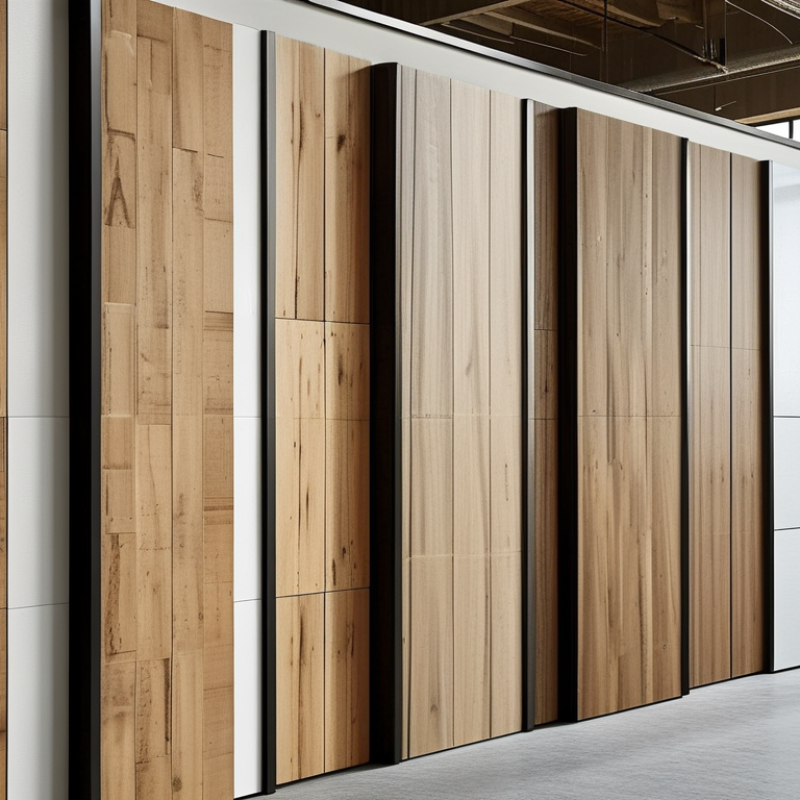
Understanding Fire-Retardant SPC Wall Panels and Their Benefits
When considering fire-retardant SPC wall panels for your project, understanding their intrinsic benefits is crucial. These panels are engineered to withstand high temperatures and prevent the spread of flames. Research indicates that fire-retardant materials can reduce fire spread by up to 60%. Additionally, they can protect the underlying structures, significantly enhancing safety in residential and commercial applications.
The efficiency of fire-retardant SPC wall panels lies in their composition. They contain special additives that meet stringent fire safety standards, such as ASTM E84. This means they can achieve a Class A rating, ensuring they are suitable for high-risk environments. However, not all fire-retardant products perform equally. It’s essential to evaluate their fire performance against reliable fire testing reports to ensure you select the best option for your needs.
While the benefits are evident, it’s worth noting that not all manufacturers maintain the same level of quality. Some panels may not pass tests that gauge fire resistance accurately. This inconsistency can lead to potential safety hazards. Consequently, thorough research is necessary to mitigate risks and achieve optimal outcomes in construction projects. Selecting the right panels calls for careful inspection of certifications and performance data.
How to Choose Fire-Retardant SPC Wall Panels for Your Project?
| Dimension | Description | Benefits |
| Material Composition | Made from stone polymer composite (SPC) with fire-retardant additives | Increased safety in case of fire |
| Classification | Class A fire rating | Meets high safety standards |
| Thermal Resistance | Effective at withstanding high temperatures | Reduces heat transfer |
| Installation | Easy to install with interlocking systems | Saves time and labor costs |
| Maintenance | Low maintenance requirements | Cost-effective in the long run |
| Design Options | Available in various colors and textures | Enhances aesthetic appeal |
Key Features to Look for in Fire-Retardant SPC Wall Panels
When selecting fire-retardant SPC wall panels, several key features deserve attention. The first consideration is the material composition. High-quality panels typically incorporate a blend of stone plastic composite and fire-retardant additives. This ensures they can withstand high temperatures without compromising structural integrity. Look for certifications indicating compliance with fire safety standards. Reliable panels should boast ratings that confirm their resistance to flames.
Another important feature is the thickness of the panels. Thicker panels often provide better insulation and durability. However, they can also add weight, which may require a reconsideration of the installation process. It's essential to balance thickness with practicality in your specific environment. Additionally, the surface finish matters; a smooth, sealed surface can enhance fire resistance while facilitating cleaning and maintenance.
Finally, consider the aesthetic appeal of the panels. While functionality is critical, the visual aspect cannot be overlooked. Fire-retardant panels are available in various styles and colors. Aim for options that complement your design vision, but also reflect on your choices. Remember, a beautiful design should not sacrifice safety or compliance with fire regulations. Finding that balance requires careful thought and attention to detail.
Evaluating Fire Ratings and Compliance Standards for Wall Panels
When selecting fire-retardant SPC wall panels, understanding fire ratings is crucial. Fire ratings indicate how well a product resists flames. Panels may have ratings such as A, B, or C, denoting their performance levels. Higher-rated panels can withstand fire longer, offering better safety for occupants. Always check the relevant building codes, as they specify required fire ratings for different spaces.
Compliance with standards is essential. Ensure your wall panels meet national or regional regulations. Panels should be tested by recognized organizations. Review their certifications for assurance. This helps guarantee that the panels will perform as expected in a fire emergency. While many products claim fire resistance, not all have undergone rigorous testing. Look for documentation that confirms compliance and performance.
Lastly, consider installation factors. Proper installation influences the effectiveness of fire-retardant panels. Even compliant products can fail if installed incorrectly. Engage professionals with experience in handling these materials. Regular inspections are also important. Periodic evaluations can highlight potential issues, ensuring safety remains a priority. Balancing aesthetics and safety is challenging but necessary.
Comparing Different Brands and Manufacturers of SPC Wall Panels
When selecting fire-retardant SPC wall panels, understanding the differences between brands is crucial. Each manufacturer has unique qualities that can affect your project's success. Look for certifications indicating compliance with safety standards. Fire-retardant properties are essential, but so are durability and maintenance requirements.
Some brands may focus heavily on design, while others prioritize safety. It’s important to balance aesthetics with function. Investigate their testing processes. Panels should undergo rigorous evaluation to ensure they meet fire safety regulations. User reviews can provide insight into real-world performance, especially in critical situations.
Don’t overlook warranty options, either. A strong warranty can reflect a brand’s commitment to quality. Yet, some brands may offer extensive warranties without clear backing. Research is key. Request samples to assess texture and finish. Sometimes, what looks good on paper doesn't perform in practice. Always trust your instincts and prioritize your project's specific needs.
Installation Considerations and Best Practices for Fire-Retardant Panels
When selecting fire-retardant SPC wall panels, installation considerations are crucial. Proper installation can enhance the panel’s ability to withstand fire. According to a report by the National Fire Protection Association (NFPA), incorrect installation can lead to a 30% reduction in fire performance effectiveness. It is essential to adhere to manufacturer specifications. Ensure panels fit snugly against walls to minimize gaps.
Choosing the right adhesive is also vital. Some adhesives may reduce fire resistance. A study by the International Code Council outlines that using non-combustible adhesives improves the fire-retardant properties of wall panels. Moreover, consider the vertical and horizontal installation orientation. Installing panels vertically can lead to better fire resistance, as heat and flames usually travel upward.
Finally, regularly inspect installed panels for wear. Regular maintenance can uncover issues that compromise fire resistance. A missed inspection can severely affect performance. Be aware of the local fire codes as they mandate safety regulations. Ignoring these codes can lead to safety hazards and potential project failures. Fire-retardant panels require diligence in installation to ensure their effectiveness in emergencies.
