How to Choose Cosmetic Grade Beta Arbutin Powder?
Choosing Cosmetic Grade Beta Arbutin Powder requires more than comparing whiteness or price. Ingredient quality affects formulation stability, skin comfort, and the reliability of the finished product. A qualified supplier should provide a current certificate of analysis, batch number, assay result, moisture level, and microbiological information. Traceability matters.
Cosmetic chemist Perry Romanowski often emphasizes a practical safety principle: “The dose makes the poison.” This reminder applies to beta arbutin selection and use. A high-purity powder still needs suitable concentration, controlled processing, and compatibility testing. Ask whether the material has been stored in a cool, dry environment. Damp powder may form small lumps, like wet flour, and can complicate accurate weighing.
Look beyond a polished specification sheet. Check the manufacturer’s quality system, testing methods, packaging design, and technical support. Light-resistant, sealed packaging can help protect sensitive ingredients during transport. Request sample testing before placing a large order. Evaluate color, odor, solubility, and performance in your actual serum or cream base.
Some decisions remain imperfect. Supplier documents can be complete but still require independent verification. A low price may reflect efficient production, or weaker controls. Do not assume either explanation.
Experienced formulators also review regional cosmetic requirements and finished-product testing expectations. Beta arbutin should be assessed within the complete formulation, not in isolation. The best choice balances purity, consistency, documentation, and responsible technical guidance. That balance supports safer development and more dependable consumer results.
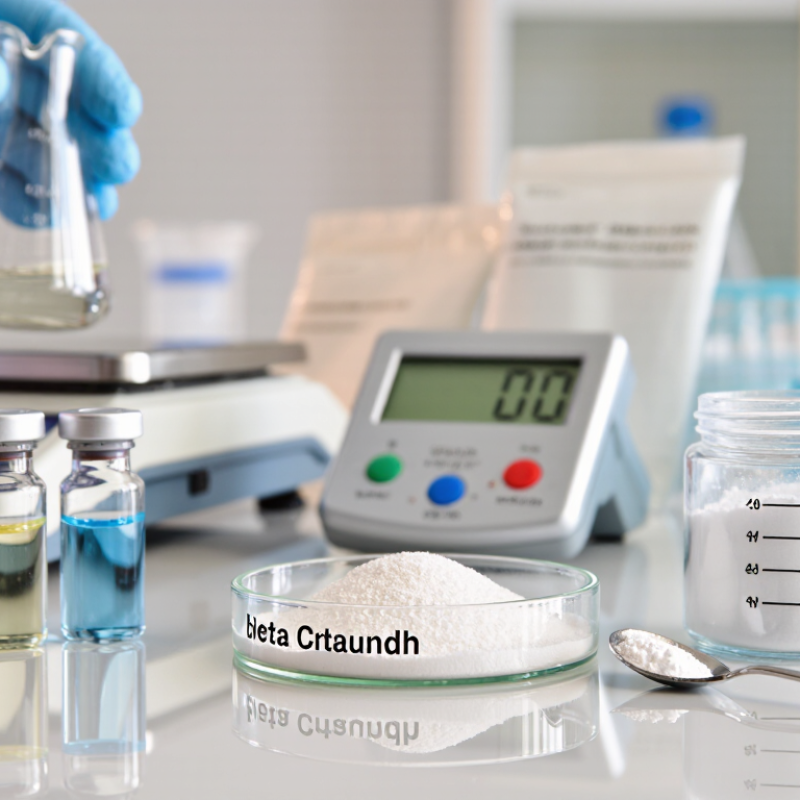
Understanding Cosmetic Grade Beta Arbutin Powder
How to Choose Cosmetic Grade Beta Arbutin Powder?
Understanding Cosmetic Grade Beta Arbutin Powder begins with its identity and intended use. Cosmetic grade does not mean every powder has the same quality. Check the chemical name, purity assay, appearance, odor, and production batch. A clean white powder should not show damp clumps or unusual discoloration. Those details matter.
Ask for a current certificate of analysis, safety data sheet, and specification sheet. The certificate should show assay testing, moisture, microbiological limits, and heavy metal results. HPLC testing can help confirm identity and purity. Reliable suppliers should also provide batch numbers and traceable manufacturing information. Vague documents deserve careful questions.
In formulation work, beta arbutin needs controlled handling. It is commonly dissolved in the water phase, but temperature and pH can affect stability. Follow the supplier’s recommended conditions and verify compatibility with the full formula. Use calibrated scales, clean tools, and light-resistant packaging when appropriate. Keep the powder sealed, cool, and dry.
Do not trust appearance alone.
A common mistake is choosing the lowest price. I have seen promising powders perform poorly after storage because moisture control was overlooked. Small laboratory trials can reveal solubility, color change, and preservative interactions before production. Skin compatibility testing is also essential, and local cosmetic regulations must guide the final concentration and product claims. دايرې
Checking Purity, Potency, and Ingredient Specifications
How to Choose Cosmetic Grade Beta Arbutin Powder?
Purity should be checked before price or appearance. Cosmetic-grade beta arbutin commonly shows an HPLC assay near 98–99%, but no universal global specification guarantees that range. Request a recent certificate of analysis with batch number, test date, method, and analyst approval. HPLC should identify beta arbutin separately from hydroquinone, alpha arbutin, and unknown peaks. The International Council for Harmonisation describes validated analytical methods through accuracy, precision, specificity, and detection limits. This is more useful than a simple “high purity” claim. PubChem lists beta arbutin’s molecular formula as C12H16O7 and molecular weight as 272.25 g/mol. These details help confirm the tested material.
Potency means the amount delivered in the final formula, not only powder purity. Check assay results, moisture, residual solvents, heavy metals, and microbiological limits. ISO 22716 provides widely used cosmetic GMP guidance for production and quality control. Ask whether testing follows a documented, validated procedure. Packaging also matters. A sealed, light-protective container reduces avoidable degradation risks. One practical weakness remains: a COA may look complete while omitting chromatograms. That omission deserves a question, not blind trust.
Tips: Compare at least two batch reports. Confirm the CAS number and storage temperature. Ask for an SDS and traceability record. If the supplier refuses raw test data, pause. Small details often expose large quality gaps.
Selecting Reliable Suppliers and Quality Certifications
How to Choose Cosmetic Grade Beta Arbutin Powder?
Selecting a reliable supplier requires more than comparing prices. Request a batch-specific Certificate of Analysis before approving any cosmetic grade beta arbutin powder. Check identity, assay, appearance, moisture, residual solvents, heavy metals, and microbiological results. HPLC testing should support the stated purity. Ask whether an independent laboratory verified the data. Small details matter.
Certifications can strengthen confidence, but they do not replace technical judgment. Review current GMP, ISO 9001, and relevant quality-system documents. Confirm that each certificate belongs to the actual manufacturing site. Request an SDS, technical data sheet, allergen statement, and product traceability records.
The supplier should explain storage conditions, packaging materials, shelf life, and transport controls clearly. Opaque answers deserve caution. A sample test can reveal differences in color, solubility, or odor between lots. However, one successful sample cannot prove long-term consistency.
I would compare several batches when possible. Even experienced buyers may trust polished documents too quickly. An audit, video inspection, or detailed quality questionnaire can expose gaps in cleaning, labeling, and change control. Check destination-market requirements with a qualified regulatory professional, because certification names alone do not guarantee compliance.
Comparing Packaging, Storage, and Purchase Considerations
How to Choose Cosmetic Grade Beta Arbutin Powder?
Packaging directly affects beta arbutin quality during shipping and storage. Choose sealed, light-protective packaging with an inner polyethylene liner. An aluminum foil barrier can reduce exposure to humidity and oxygen. Check the seal. A loose closure may allow moisture into the powder, even when the outer drum looks clean.
Storage conditions should follow the supplier’s validated stability data. ICH Q1A(R2) identifies 25°C and 60% relative humidity as a long-term stability condition, while 40°C and 75% humidity represent accelerated testing. These figures are useful references, not automatic guarantees. Store beta arbutin in a cool, dry, low-light area. Avoid repeated opening near steam, sinks, or direct sunlight. The powder should remain free-flowing, without yellowing, clumping, or unusual odor.
Purchase decisions require more than a high assay number. Request a current certificate of analysis, batch number, HPLC identity and assay results, moisture data, microbial limits, and heavy-metal testing. ISO 22716 emphasizes documented control, traceability, and suitable storage practices for cosmetic ingredients. Ask for a retained sample or independent laboratory verification when the application is sensitive. I would not treat attractive packaging as proof of quality. A better evaluation compares batch consistency, transport records, test methods, and shelf-life evidence. One weakness remains: suppliers may report different test conditions, making direct comparison imperfect. That detail deserves careful questioning before purchase.
How to Choose Cosmetic Grade Beta Arbutin Powder?
Packaging, storage, and purchase considerations for cosmetic-grade beta arbutin powder
Opaque, tightly sealed packaging generally provides the strongest overall protection against light and moisture while supporting repeated handling. Amber glass offers excellent moisture protection but is more fragile and less convenient for frequent use. Clear glass and thin plastic bags should be used only when additional light- and moisture-protection measures are available. Always confirm the supplier’s specification sheet, batch certificate, recommended storage temperature, retest or expiry date, and packaging integrity before purchase.
