How to Choose the Best Laser Hair Removal Equipment for You?
Choosing the right Laser Hair Removal Equipment is critical for effective hair removal. The market offers various options, each with unique features. Understanding these differences is essential.
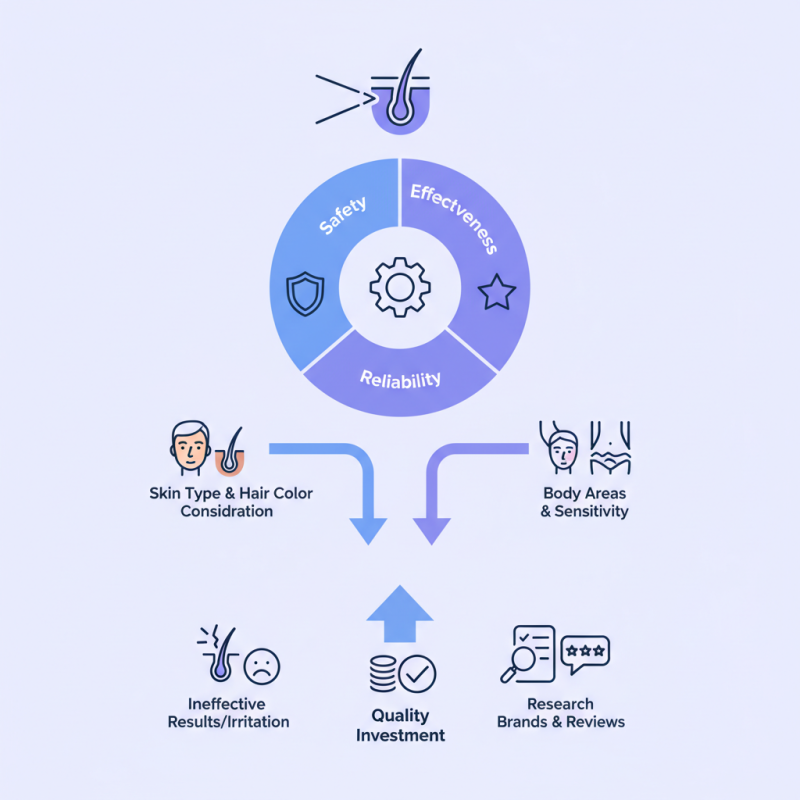
Many users seek professional advice. They want equipment that is safe, reliable, and effective. It's important to consider personal skin types and hair colors. Not all devices work well for everyone. Results can vary significantly based on body areas and individual sensitivity.
Investing in quality equipment pays off. Lower-quality machines often lead to ineffective results. Some users may experience skin irritation or uneven hair removal. Reflecting on past experiences can help in making a better choice. Researching trusted brands and reading reviews can guide you to the best option for your needs.
Understanding Laser Hair Removal: Types of Equipment Available
When choosing laser hair removal equipment, understanding the types available is crucial. The most common types include Alexandrite, Diode, Nd:YAG, and IPL (Intense Pulsed Light). Each type has its benefits and drawbacks. For instance, Alexandrite is fast and effective for lighter skin tones. In contrast, Nd:YAG works well for darker skin tones and larger areas.
Recent studies indicate that Alexandrite lasers achieve an 80% permanent hair reduction rate after just three to six sessions. However, IPL may not be as effective, with some reports suggesting only a 55% reduction. Choosing the right type affects treatment outcomes significantly. The effectiveness can vary based on skin type, hair color, and the specific technology used in the equipment.
Costs can also influence decisions. The average price for professional-grade devices ranges from $10,000 to $100,000, depending on features. Not all devices offer the same warranties or support, which could lead to higher long-term costs. Furthermore, considering the maintenance and training required for staff is essential. Users must weigh these factors carefully before making a purchase.
Key Features to Look for in Laser Hair Removal Devices
When selecting laser hair removal equipment, key features are essential. You should focus on the type of laser technology used. Alexandrite, diode, and Nd:YAG lasers offer different benefits. Each type targets varying skin tones and hair colors. Understanding how each laser works helps in making an informed choice.
Another important feature is the device’s energy level. A higher energy output often results in more effective hair removal. However, too much power can lead to skin damage. Balance is crucial. Look for options with adjustable settings to customize your treatments. Safety features are also vital in ensuring a safe experience.
Consider the size and weight of the device. Lightweight designs are easier to handle for extended periods. Some users find bulkier machines challenging to maneuver. Moreover, check for cooling mechanisms. They can enhance comfort during the procedure, reducing pain and irritation. Ultimately, think about your specific needs and preferences when evaluating different features in the equipment.
How to Choose the Best Laser Hair Removal Equipment for You? - Key Features to Look for in Laser Hair Removal Devices
| Feature | Description | Importance |
| Wavelength | Different lasers operate at various wavelengths, impacting hair removal effectiveness on different skin tones and hair types. | High |
| Cooling System | An integrated cooling system helps minimize discomfort during the procedure. | Medium |
| FDA Approval | Safety certification from the FDA ensures the device meets safety standards. | High |
| Treatment Speed | Devices with faster treatment speeds can complete sessions more quickly. | Medium |
| Skin Type Compatibility | Some devices are designed for specific skin types, affecting suitability and effectiveness. | High |
| Portability | Lighter, compact devices may offer easier handling and storage options. | Low |
| User-Friendly Interface | Devices with intuitive controls make it easier for users to perform treatments. | Medium |
Evaluating Safety and Effectiveness of Laser Hair Removal Equipment
When selecting laser hair removal equipment, safety and effectiveness are paramount. According to the American Society for Dermatologic Surgery, over 80% of patients reported satisfaction with their hair removal results. However, choosing the right equipment requires careful evaluation. Different laser technologies, like Diode and Alexandrite, each have distinct benefits. For skin types and hair textures, knowing which laser works best can make a significant difference.
Consider factors such as wavelength, pulse duration, and skin protection features. The FDA recommends checking if the equipment has passed safety standards. Equipment without FDA clearance may pose risks. It's crucial to review clinical studies on the equipment's effectiveness for various hair types.
Tips: Always look for equipment with built-in skin cooling systems. This feature enhances comfort and reduces the risk of burns. Also, ask for peer-reviewed studies that confirm the effectiveness of the device. Data shows that laser hair removal can yield long-term results, yet repeated sessions are often necessary. Always be critical of claims that promise instant hair removal.
Cost Considerations and Budgeting for Laser Hair Removal Systems
When considering laser hair removal systems, cost is a key factor. The average price of professional equipment ranges from $15,000 to $40,000. Initial investment can be daunting. However, understanding your budget can help in making a wise decision.
Research indicates that mid-range systems can deliver effective results without breaking the bank. For instance, systems around $20,000 may have comparable performance to higher-end options. Budgeting for maintenance and supplies is equally important. Ongoing costs can add up; clients often overlook this aspect. Regular replacements and consumables can be as high as $5,000 annually, affecting overall profitability.
Choosing equipment based solely on upfront costs can lead to regret. Inadequate systems might not meet client expectations. Evaluating the long-term efficiency and reliability is essential. Look for models with proven track records and positive user experiences.
Seeking professional guidance and customer reviews can provide deeper insights. The right balance between cost and quality guarantees more satisfactory outcomes. Investing thoughtfully is crucial in the long run.
Tips for Choosing Equipment Based on Skin and Hair Types
When selecting laser hair removal equipment, skin and hair types play critical roles. According to the American Society for Aesthetic Plastic Surgery, about 90% of laser hair removal patients have skin types I to III. This statistic indicates that individuals with lighter skin tones often respond best to laser treatments. These skin types facilitate a greater contrast between the hair and skin, enhancing the laser's effectiveness.
Darker skin tones, however, present unique challenges. The same Aesthetic Society report shows that tailored wavelengths are vital for safely treating these skin types. Equipment with longer wavelengths, such as Nd:YAG lasers, may offer advanced options. These lasers penetrate deeper and minimize risks of hyperpigmentation or burns. Still, practitioners must have expertise to ensure patient safety. An experienced technician is key for anyone with darker skin considering laser treatment.
Additionally, hair thickness and color significantly affect the choice of equipment. Dark, coarse hair absorbs laser energy effectively, making treatment swift and effective. Conversely, fine or light-colored hair can be less responsive. Many patients may be dissatisfied with standard equipment if they have mixed hair types. This subtlety emphasizes the need for consultation with professionals who understand both equipment and individual needs. Balancing technology with personal characteristics remains essential in achieving successful outcomes in laser hair removal.
Effectiveness of Laser Hair Removal by Skin and Hair Types
This chart illustrates the average effectiveness of laser hair removal treatments based on different skin and hair type combinations. The effectiveness is rated on a scale from 1 to 10, where 1 is the least effective and 10 is the most effective.