How to Choose the Best Green Sliding Window for Your Home?
When selecting the best Green Sliding Window for your home, it is essential to consider both aesthetics and energy efficiency. According to a report by the U.S. Department of Energy, residential windows are responsible for 25% to 30% of energy loss. Therefore, choosing the right windows can significantly reduce heating and cooling costs. Industry expert John Anderson emphasizes, "Investing in high-quality Green Sliding Windows not only enhances your home’s beauty but also its energy performance."
Green Sliding Windows are designed with eco-friendly materials and advanced technology. They offer improved insulation and reduce carbon footprints. Homeowners should explore options that feature low-E glass and energy-efficient frames to maximize savings. However, the market can be overwhelming. Many products claim to be energy-efficient but lack independent testing data.
It’s also vital to reflect on your specific needs. Not every window suits every home. Aesthetic preferences, climate, and the orientation of your house play crucial roles. Many homeowners later realize they could have made better choices. Careful consideration is necessary to avoid future regrets. Always check warranties and energy ratings before making your final decision.
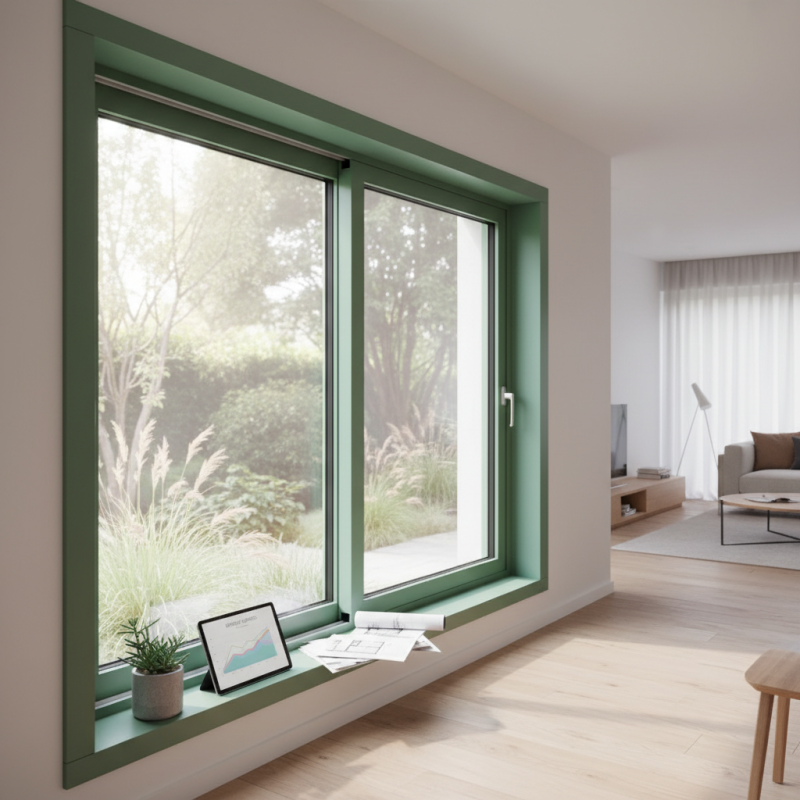
Understanding the Types of Green Sliding Windows Available on the Market
When selecting green sliding windows, it's essential to understand the various types available. Vinyl windows are popular due to their durability and energy efficiency. They come in many styles and colors, making them versatile for any home. Another option is fiberglass windows. These windows are strong and resistant to warping. They offer excellent insulation qualities, which can reduce energy costs.
Aluminum sliding windows can also be considered. While they are lightweight and affordable, they may not provide the same insulation as other materials. Consider your local climate and energy needs when making a choice. Wood windows have timeless beauty but require more maintenance and care. They also come at a higher price.
Each option has its perks and drawbacks. For instance, a vinyl window might last longer without maintenance, but it could lack the traditional beauty of wood. Reflecting on these details can help you find the best fit for your home. Think about your priorities carefully. Balancing aesthetics with functionality is key.
Key Energy Efficiency Ratings for Green Sliding Windows: What to Look For
When choosing green sliding windows, energy efficiency ratings are crucial. Look for windows with a low U-factor, as this indicates better insulation. The U-factor measures the rate of heat transfer. For optimal performance, aim for U-factors below 0.30. Windows that meet ENERGY STAR standards offer enhanced efficiency.
Another important metric is the Solar Heat Gain Coefficient (SHGC). A lower SHGC means less solar heat is transmitted into your home. This is vital for keeping your living spaces cool in summer. Generally, a SHGC of 0.20 to 0.30 is ideal for homes in hotter regions.
Tip: Verify the NFRC label on any window. This label lists key ratings for energy efficiency. It’s useful for transparent comparisons among models.
Consider the air leakage (AL) rating as well. A lower AL rating means the window won’t let air escape as easily. Aim for an AL rating of 0.3 or lower. Windows with higher leakage can lead to energy loss.
Tip: Test window seals during installation. Poor installation can negate any efficiency gains from high-rated windows. Even the best windows can't perform well if not installed correctly. Choose wisely, as these details influence your comfort and energy bills.
Materials and Their Impact on Sustainability in Sliding Window Design
When selecting a green sliding window for your home, the materials used are crucial. Popular choices include wood, aluminum, and vinyl. Each offers distinct benefits and drawbacks. Wood provides excellent insulation and aesthetic appeal but may require more maintenance. Aluminum frames, while durable, can conduct heat. This affects energy efficiency. Vinyl windows are low-maintenance and often energy-efficient, but their production may raise environmental concerns.
Sustainability in window design hinges on material sourcing. Recycled materials can lower environmental impact. Additionally, consider the energy efficiency ratings of the windows. High-performance glass can significantly reduce energy costs. However, not all options are created equal. Often, windows that are marketed as "green" may still have hidden environmental costs. Investigating the life cycle of the materials is essential.
Another factor is the manufacturing process. Some manufacturers emphasize eco-friendly practices. Others do not. Researching the company behind your choice can help ensure you're making a sustainable decision. Recycled content, low-emission manufacturing, and local sourcing all contribute positively. Yet, some details may be overlooked. Balancing aesthetics, budget, and sustainability can be a challenge. Being informed allows for better choices.
Assessing Installation and Maintenance Needs for Green Sliding Windows
When considering green sliding windows, it’s important to assess installation and maintenance needs. Proper installation ensures energy efficiency. An improperly fitted window can lead to air leakage, affecting your home’s insulation. Choose a professional with experience in green window options. This can save you hassle later.
Maintenance is another key factor. Green windows may require specific cleaning solutions that are eco-friendly. Ensure you have easy access to trim and frames for regular checks. Over time, seals can wear out. This might lead to increased energy costs. It’s wise to inspect your windows annually.
Tips: Select windows that come with a warranty. This can ease worries about future repairs. Look for materials that resist rot and decay. They might cost more upfront but save you money long-term. Always prioritize quality over price.
Cost vs. Long-term Savings: Analyzing the Financial Benefits of Green Windows
When considering green sliding windows, the cost is a major factor. Installation can seem expensive upfront. However, these windows offer long-term savings. They enhance energy efficiency, reducing heating and cooling bills. Over time, you may save more than you expect. This investment may pay off in five to ten years.
Many homeowners overlook maintenance costs. High-quality green windows often require less frequent repairs. They resist weather damage better than traditional options. With proper care, these windows can last for decades. Still, it’s wise to evaluate potential hidden costs. Are you ready for future expenses?
Energy savings aren't just financial. They also provide environmental benefits. Lower energy usage means a smaller carbon footprint. This consideration might weigh heavily on some buyers. While the initial cost can deter some, benefits emerge in layers. Reflecting on your specific needs helps in making the right choice.
How to Choose the Best Green Sliding Window for Your Home? - Cost vs. Long-term Savings: Analyzing the Financial Benefits of Green Windows
| Window Type | Initial Cost (per window) | Energy Savings (per year) | Warranty (years) | Estimated Lifespan (years) | Net Savings Over Lifespan |
| Vinyl | $300 | $150 | 20 | 40 | $6,000 |
| Fiberglass | $400 | $180 | 25 | 50 | $9,000 |
| Wood | $500 | $120 | 15 | 30 | $3,600 |
| Aluminum | $350 | $140 | 20 | 40 | $5,600 |
| Composite | $450 | $160 | 30 | 50 | $8,000 |
