How to Choose the Best Cast Iron Casserole for Your Cooking?
When selecting a cast iron casserole, the choices can be overwhelming. Cast iron cookware has grown in popularity. According to recent industry reports, sales of cast iron cookware increased by 30% over the last three years. Consumers appreciate its durability and heat retention.
A cast iron casserole can last a lifetime if cared for properly. However, not all options are created equal. Some brands offer better seasoning, while others might rust more easily. It's important to research different manufacturers and their reputations.
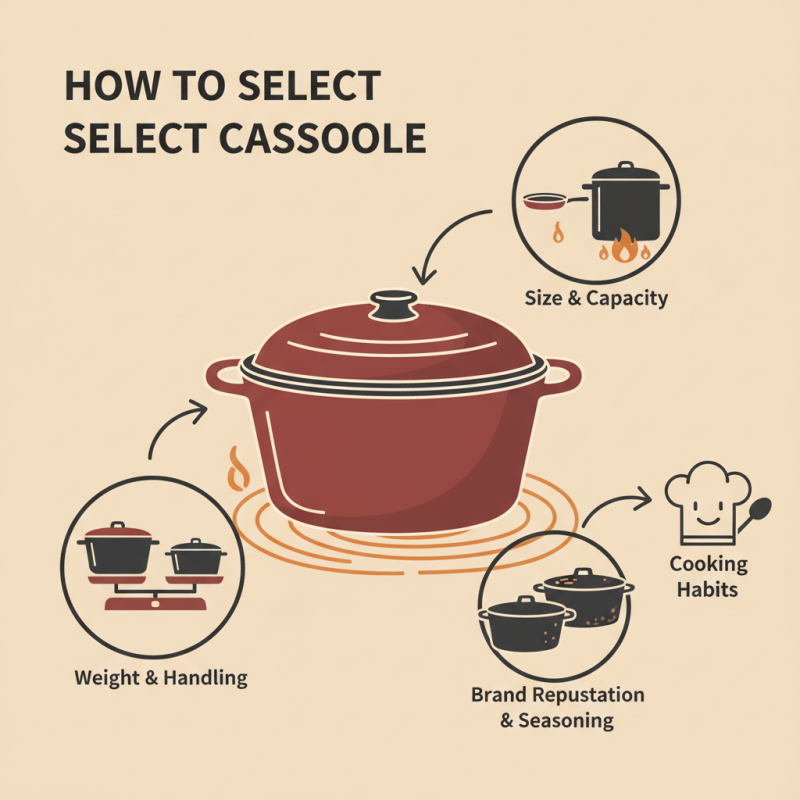
Weight is another factor to keep in mind. A heavier casserole may retain heat better, but it could be harder to handle. Many people overlook the importance of size, often choosing one too large or too small for their needs. Therefore, reflecting on personal cooking habits is essential before making a purchase.
Factors to Consider When Choosing a Cast Iron Casserole
When choosing a cast iron casserole, several factors come into play. The size is crucial. You’ll want a size that fits comfortably in your oven and suits your cooking needs. A larger casserole may be ideal for family meals, while a smaller one suits intimate dinners. Weight is important too. Heavier casseroles often retain heat better but can be cumbersome to handle.
The handle design also matters. Some come with ergonomic handles that provide a better grip. Others may have awkwardly placed handles that make lifting a challenge. It's worth considering the shape as well. Oval and round casseroles can affect how heat circulates during cooking. Lastly, look for versatility. Some cast iron casseroles can be used on stovetops, while others are strictly for baking. Think about how you plan to use it and what fits best in your kitchen space.
Factors to Consider When Choosing a Cast Iron Casserole
Types of Cast Iron: Enamelled vs. Non-Enamelled Options Explained
When choosing a cast iron casserole, it’s essential to consider the type. Enamelled and non-enamelled options each have unique benefits. Enamelled cast iron is coated with a glass-like finish. This makes it easy to clean. You can use metal utensils without worrying about rust. Bright colors are appealing, too. However, they may chip over time. A small scratch can lead to rusting if not addressed.
Non-enamelled cast iron offers excellent heat retention. It's perfect for slow cooking. You might enjoy the traditional look that develops over time. Seasoning is necessary to maintain its non-stick surface. This requires time and attention. It might seem daunting, but it’s rewarding. The raw surface can be more versatile. However, it can absorb flavors and odors if not seasoned properly.
Each type has drawbacks. Enamel can be fragile, while non-enamel needs consistent care. If you prefer low maintenance, enamelled might suit you best. If you're adventurous with cooking, non-enamelled is an option. Understanding your cooking habits can help you decide.
How to Choose the Best Cast Iron Casserole for Your Cooking?
| Feature | Enamelled Cast Iron | Non-Enamelled Cast Iron |
| Surface | Smooth, non-reactive | Rough, requires seasoning |
| Maintenance | Easy to clean, no seasoning needed | Requires regular oiling and seasoning |
| Durability | Generally durable but can chip | Extremely durable, virtually unbreakable |
| Heat Retention | Good heat retention | Excellent heat retention |
| Price Range | Higher price due to enamel coating | Generally more affordable |
| Cooking Versatility | Suitable for acidic foods | Not ideal for acidic foods |
| Aesthetics | Colorful and visually appealing | Traditional rustic look |
Weight and Size: How They Affect Cooking Performance and Storage
When selecting a cast iron casserole, weight and size greatly influence your cooking experience. Heavier casseroles tend to retain heat better. This can result in even cooking and reduced risk of burning. However, the weight can be a challenge for some home cooks. Lifting a heavy pot from the oven requires strength and care. If you're not cautious, you might drop it or spill its contents.
Size is equally important. A larger casserole can accommodate big meals, great for family gatherings. Yet, it can be cumbersome to store. Think about your kitchen space. Do you have room for a bulky pot? A smaller casserole may suit your needs better for everyday cooking. It’s easier to handle and can fit into tighter spaces. But be wary; a small pot might not meet your needs for larger dishes and can limit what's possible in your cooking.
Consider how often you'll use the casserole. If you cook large meals once in a while, a big pot may be worth it. For daily meals, a lighter, smaller option could be beneficial. Reflect on your habits and storage solutions. Sometimes the best choice is not the heaviest or largest, but what fits your lifestyle best.
Understanding Heat Retention and Distribution in Cast Iron Cookware
When selecting a cast iron casserole, understanding heat retention and distribution is crucial. Cast iron cookware is known for its ability to hold heat. A study from the Journal of Culinary Science and Technology found that cast iron can maintain temperatures longer than other materials, making it ideal for slow cooking. This helps achieve deep flavors in stews and casseroles.
However, not all cast iron is created equal. Uneven heat distribution can lead to hot spots, affecting your dish. The thickness of the base plays a vital role in preventing this issue. Thinner pans often heat quickly but can burn food easily. A report by the American Society of Home Inspectors highlights that well-crafted cast iron should provide consistent heating. Many users overlook the importance of the finish on the interior. Enameled versus unseasoned surfaces can drastically change cooking results.
While cast iron is praised for its durability, it requires care. Improper seasoning may lead to rust or sticking food, which can be frustrating. Practical tips from professional chefs recommend regular maintenance. Cleaning with salt and oil is a preferred technique to keep the surface non-stick. This investment in your cookware can enhance your overall cooking experience. Choosing the right cast iron casserole means balancing these factors for optimal performance.
Maintenance Tips to Ensure Longevity of Your Cast Iron Casserole
Cast iron casseroles are renowned for their durability and versatility. To maintain their performance, regular care is essential. Studies indicate that properly maintained cast iron can last generations. However, neglect can lead to rust and deterioration.
Cleaning is paramount. Avoid soaking them in water for long periods. Instead, wash with warm water and a mild soap. After cleaning, dry thoroughly to prevent moisture buildup. Some experts recommend seasoning with a thin layer of oil after each wash. This process helps to preserve the non-stick surface.
Storing your cast iron casserole correctly is also crucial. Keeping it in a dry place helps avoid rust. Placing a paper towel inside the casserole can absorb any moisture. While these practices may seem tedious, they significantly extend the life of your cookware. A little effort goes a long way in enjoying your casseroles for many family meals.