Choosing a Furniture Hinge Company China suppliers can shape how smoothly cabinet doors open, how long they stay aligned, and how reliably orders arrive. The details are tangible: a soft-close damper, a mounting plate, or a screw that loosens after repeated use. Small parts matter.
The wider market offers useful context, but not a direct measure of hinge demand. Grand View Research estimated the global furniture market at USD 677.09 billion in 2022 and projected a 5.2% compound annual growth rate through 2030. That figure signals a large, evolving furniture sector; it does not prove that any individual hinge supplier is dependable. Buyers still need to check material specifications, load and cycle-test evidence, sample consistency, production capacity, and after-sales support.
A useful selection principle comes from strategy scholar Michael Porter: “The essence of strategy is choosing what not to do.” Applied here, it means narrowing the shortlist by requirements that matter, rather than collecting impressive claims. Ask for test reports tied to the exact hinge model, then compare samples under the same conditions. A polished catalogue is not proof. A factory visit can help, but it cannot replace documented quality controls. This guide explains how to assess capability, communication, customization, and total cost in 2026. One limitation deserves attention: without a verifiable, China-specific hinge specialist’s published statement, attaching a quotation to one would risk misleading readers. Better to verify the source than manufacture authority.
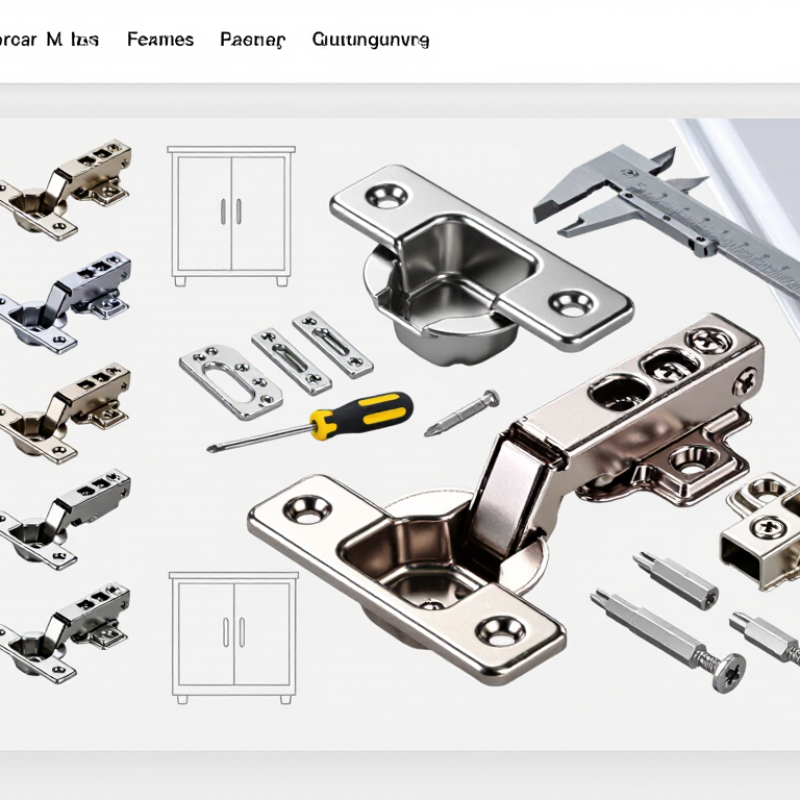
Before comparing furniture hinge companies in China, define the door and cabinet conditions. Record door height, width, thickness, material, and weight, plus whether it is inset, half-overlay, or full-overlay. A 600-millimeter-wide solid-wood door behaves differently from a narrow, lightweight panel. Small details matter.
Specify the opening angle, soft-close needs, mounting style, and adjustment range. Note the cabinet material and available screw positions, too. For kitchen or bathroom furniture, describe expected exposure to moisture and cleaning products. Choose a finish by appearance and use; a sample under bright showroom lights may look different in a home. Ask suppliers to confirm the hinge’s stated load capacity and the test method behind it. Numbers need context.
Prepare a drawing or a clear photograph with measurements. Include target order quantity, packaging needs, and any required inspection records. If the project uses unusual door sizes, request samples for a physical fit check before approving production. Check gaps, closing action, and screw access on the actual cabinet. We once overlooked a thick edge band in an early specification; the hinge cup then sat too close to the edge. It was fixable, but avoidable. Some requirements may change after testing, so mark assumptions clearly and ask the company to flag conflicts before quoting.
| Specification Area | Example Project Requirement | Options and Considerations | What to Confirm with a Supplier |
|---|---|---|---|
| Furniture application | Kitchen base cabinets with full-overlay doors | Kitchen, bathroom, wardrobe, office, and display furniture can have different use and durability requirements. | Confirm the hinge is intended for the application, expected use frequency, and installation environment. |
| Hinge type | Concealed cup hinge for a frameless cabinet | Common furniture options include concealed cup hinges, butt hinges, and pivot hinges. Selection depends on cabinet construction and appearance. | Specify cabinet construction, door position, and whether the hinge should be visible when the door is closed. |
| Door dimensions and weight | Provide the actual door height, width, thickness, material, and finished weight for each door size. | The suitable hinge count depends on door dimensions, weight, material, hinge geometry, and use conditions; one fixed count does not suit every door. | Request a hinge-count recommendation for each door size and ask what assumptions or test conditions support it. |
| Door thickness and cup drilling | Set the door thickness and cup-hole dimensions from the chosen door design and hinge drawing. | A 35 mm cup diameter is common for many concealed furniture hinges, but cup depth, edge distance, and suitable door thickness vary by model. | Obtain a dimensioned drilling diagram and verify it against the door material and available drilling equipment before production. |
| Overlay and cabinet construction | Full overlay on a frameless cabinet; provide panel thickness and required door gap. | Full overlay, half overlay, and inset arrangements use different hinge geometry and mounting positions. | Confirm the overlay or inset measurement, mounting-plate height, door gap, and compatibility with adjacent doors or panels. |
| Opening angle and clearance | Specify the minimum required opening angle and identify nearby walls, drawers, and handles. | Many concealed hinges are designed around opening angles near 95°–110°; wider-angle models are available for some applications. Actual clearance depends on the installation. | Ask for the opening-angle specification and check the door path with the actual cabinet layout and handle dimensions. |
| Closing function | Soft-close function for doors in the main kitchen area. | Options may include soft-close, self-closing, or free-swinging designs. Damping performance can vary with door size and adjustment. | Confirm whether damping is integrated or uses a separate accessory, and test closing behavior on a representative door. |
| Adjustment | Provide accessible adjustments for aligning doors after installation. | Many concealed hinges offer adjustments in multiple directions; adjustment range and mechanism differ by model. | Request an adjustment guide and verify that installers can reach the adjustment points once the cabinet is assembled. |
| Material and finish | Select a corrosion-resistant finish appropriate to the room and expected exposure to moisture. | Hinges may use steel or stainless-steel components with different surface finishes. Material and finish affect corrosion resistance and appearance. | Specify the required material and finish, and request applicable test information for the intended environment. |
| Mounting hardware | Include compatible mounting plates and the required screws in the project specification. | Plate height, screw type, and fixing method influence fit and installation; suitable hardware depends on the cabinet material and design. | Confirm exactly which components are included and test the supplied fixings with the intended panel material. |
| Testing and acceptance | Approve a production-representative sample before placing the full order. | Fit, alignment, closing action, finish, and cycle-test results should be assessed using agreed methods and acceptance criteria. | Agree on sample approval, inspection points, test method, acceptable tolerances, and how nonconforming goods will be handled. |
| Order and delivery planning | State forecast quantity, required delivery date, packaging needs, and destination. | Lead time, minimum order quantity, packaging, and shipping arrangements vary by product configuration and order. | Request a written quotation that identifies the exact hinge configuration, included parts, production lead time, packaging, and delivery terms. |
